Kidney Disease: What Are the Symptoms and Why Is It So Common in Thailand?
Kidney disease is one of the most common health problems among Thai people today. The kidneys are vital organs responsible for filtering waste products, toxins, and excess fluids from the body. Therefore, taking good care of kidney health is essential to maintain overall bodily function.
If you experience warning signs of kidney disease or chronic kidney disease (CKD), you should consult a physician promptly to prevent acute kidney failure or end-stage renal disease.
Related Topics
What is kidney disease?
How many stages are there in kidney disease?
Who is at risk of kidney disease?
What are the symptoms of kidney disease?
Recommended foods for patients with kidney disease
What Is Kidney Disease?
Kidney disease, or Kidney Disease, refers to a condition in which the kidneys are unable to function normally or their function is reduced. The kidneys play crucial roles in:
Removing waste products and toxins
Regulating water and mineral balance
Producing essential hormones
When the kidneys are damaged or malfunction, waste accumulates in the body, leading to kidney deterioration and complications affecting multiple organ systems.
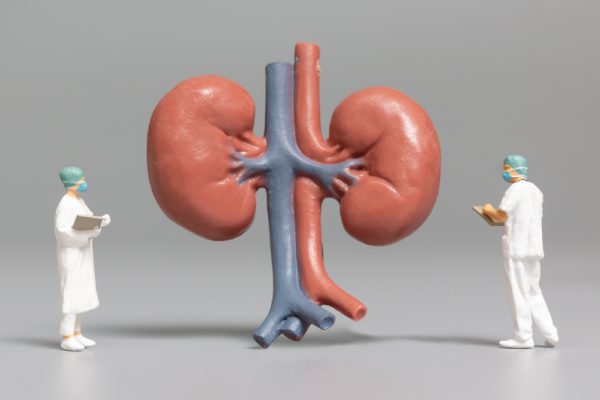
The kidneys are bean-shaped organs located on both sides of the spine. Common kidney-related diseases include:
Kidney failure
Nephritis (kidney inflammation)
Pyelonephritis
Kidney stones
Neglecting kidney health can lead to serious and potentially life-threatening conditions.
Stages of Kidney Disease
Stage 1:
Glomerular Filtration Rate (GFR) > 90Stage 2:
Early-stage chronic kidney disease, focusing on evaluation and slowing progression
GFR 60–90Stage 3:
Moderate decline in kidney function with possible complications
Stage 3a: GFR 45–59
Stage 3b: GFR 30–44
Stage 4:
Severe reduction in kidney function; preparation for renal replacement therapy
GFR < 30Stage 5 (End-Stage Kidney Disease):
Kidney failure requiring dialysis or transplantation
GFR < 15
What Are the Symptoms of Kidney Disease?

Symptoms of Kidney Disease
-
Blood in the urine or blood-tinged urine
This may be caused by urinary tract infections, kidney stones, urinary tract stones, or tumors in the urinary system. -
Foamy urine
Caused by protein (albumin) leaking into the urine, which is commonly a sign of chronic kidney disease. -
Abnormal urination
Such as frequent urination at night (nocturia) or changes in urination patterns. -
Symptoms related to kidney disease
Including swelling of the face, ankles, or feet due to fluid retention. -
Unexplained weight changes
Some patients may experience weight gain due to swelling, while others may lose weight. -
A palpable mass in the kidney area
Detected when touching or pressing around the flank or lower back region. -
Abnormal skin conditions
Such as pale skin, itching, or easy bruising. -
Digestive symptoms
Including a bitter taste in the mouth, loss of appetite, nausea, or vomiting.
Recommended Diet for Kidney Disease Patients
Patients with kidney disease or worsening kidney symptoms should follow an appropriate diet to help reduce kidney workload and slow disease progression.
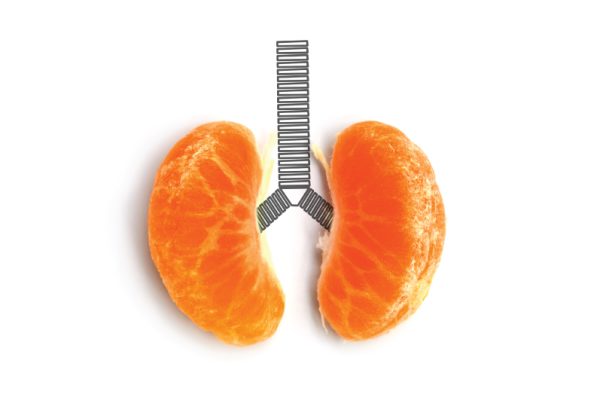
Dietary Recommendations for Patients with Kidney Disease
First and foremost, patients with kidney disease should consume three balanced meals per day, ensuring all five essential food groups are included. These consist of:
-
Protein in an amount appropriate to the stage of kidney function
-
Carbohydrates
-
Minerals and electrolytes
-
Fats
All food groups should be consumed in appropriate portions suitable for individuals with kidney disease.
Carbohydrates
Carbohydrates are an important energy source for patients with kidney disease.
For patients with end-stage chronic kidney disease, who require strict protein restriction, it is recommended to choose low-protein or protein-free starches, such as glass noodles. However, these should still be consumed in appropriate amounts.
Sodium Intake Recommendations
Patients with kidney disease at all stages should strictly limit sodium intake.
-
Sodium consumption should not exceed 2–3 grams per day
-
Reduce the use of sauces and seasonings
-
Low-sodium seasonings are not recommended, as they often contain other minerals such as potassium, which may place additional strain on the kidneys during excretion