CT Calcium Score: A Simple Guide to Coronary Artery Calcium Screening
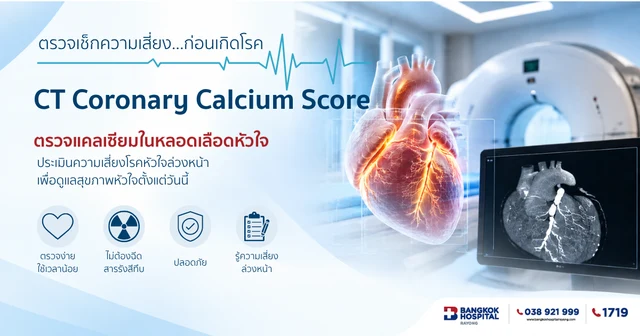
CT Coronary Calcium Score (CT CAC), also known as Calcium Score or coronary artery calcium screening, is a CT scan used to measure the amount of calcium that has built up in the walls of the coronary arteries.
The test does not require contrast dye injection and can provide useful information for assessing the future risk of coronary artery disease, particularly in people who do not have obvious symptoms.
What Is a CT Calcium Score?
As fatty deposits build up in the walls of the arteries, the body may respond by depositing calcium in these areas. Calcium is highly visible on CT scans, allowing the CT scanner to detect and calculate the amount of calcium present.
The amount of calcium detected can reflect the overall amount of plaque buildup in the coronary arteries. Therefore, the Calcium Score can be used as one of the indicators when assessing a person’s risk of coronary artery disease.
However, the Calcium Score should not be considered on its own. Doctors interpret the result together with other risk factors and the individual’s overall health.
How Is a CT Calcium Score Test Performed?
The procedure is quick and straightforward. The typical steps include:
-
Small electrodes are placed on the chest to record the heart’s rhythm during the CT scan.
-
You will lie on your back on the CT scanner table.
-
You will be asked to hold your breath for a few seconds while the scan is performed.
-
The actual scan takes only a few seconds, and the entire procedure usually takes approximately 10–15 minutes.
Do You Need to Prepare Before a CT Calcium Score?
According to the information provided for this examination:
-
Fasting is not required.
-
No contrast dye is injected, so there is no risk of an allergic reaction to contrast dye.
-
The amount of radiation is considered low.
-
You can return to your normal activities immediately after the examination.
You should nevertheless follow the instructions provided by your healthcare team and discuss whether the test is appropriate for you before undergoing the examination.
How Is the Calcium Score Interpreted?
The result is reported as an Agatston Score. In general, the score can be interpreted as follows:
| Calcium Score | General Interpretation |
|---|---|
| 0 | No calcium is detected in the coronary arteries. The short-term risk of coronary artery disease is considered low. |
| 1–99 | A small amount of calcium is detected. Risk factors should be taken seriously and managed appropriately. |
| 100–299 | A moderate to high amount of calcium is detected. Medical consultation is recommended to develop an appropriate care plan. |
| 300 or higher | A high amount of calcium is detected, indicating higher risk. Your doctor may consider additional testing or more intensive management. |
These score ranges are general interpretations. The result should always be considered together with other individual risk factors.
What Does a Calcium Score of 0 Mean?
A Calcium Score of 0 means that no detectable calcium was found in the coronary arteries during the scan. The risk of coronary artery disease over the next several years is generally considered low.
However, a score of 0 does not mean that there is absolutely no risk of heart disease.
In younger people, plaque may not yet have accumulated enough calcium to be detected. Therefore, the Calcium Score should always be interpreted together with other risk factors.
Who May Be Considered for a CT Calcium Score?
Doctors may consider this examination for people who need additional information about their risk of coronary artery disease, particularly:
-
People around 40–45 years of age or older, especially those with a family history of coronary artery disease at a young age.
-
People with risk factors such as abnormal blood cholesterol, high blood pressure, diabetes, or smoking.
-
People classified as having an intermediate level of cardiovascular risk through standard risk assessment, when the decision about starting cholesterol-lowering medication is still unclear.
The suitability of the test should be assessed individually by a doctor.
Who May Not Be Suitable for a CT Calcium Score?
A CT Calcium Score is not appropriate for everyone.
For people who have already been diagnosed with coronary artery disease or who have clear symptoms, doctors may consider other diagnostic tests that provide more specific information.
Therefore, if you have symptoms or concerns about heart disease, it is important to consult a doctor so that the most appropriate examination can be selected for your situation.
What Should You Do After Receiving Your Calcium Score?
The result can be used as part of a broader plan to protect your heart health.
Depending on your individual risk factors, your doctor may recommend focusing on:
-
Eating a healthier diet
-
Exercising regularly
-
Quitting smoking
-
Controlling blood pressure
-
Managing blood sugar levels
-
Considering cholesterol-lowering medication when medically indicated
The Calcium Score should be considered together with other health information to support an appropriate, personalized approach to heart health.
Frequently Asked Questions About CT Calcium Score
What is a CT Calcium Score?
CT Calcium Score is a CT scan that measures the amount of calcium deposited in the walls of the coronary arteries. It can provide information that helps doctors assess the risk of coronary artery disease.
Does a CT Calcium Score require contrast dye?
No. A CT Calcium Score examination does not require contrast dye injection.
Do I need to fast before a Calcium Score test?
According to the examination information, fasting is not required.
How long does a CT Calcium Score take?
The actual scan takes only a few seconds, while the entire examination generally takes approximately 10–15 minutes.
What does a Calcium Score of 0 mean?
A score of 0 means that no calcium was detected in the coronary arteries. It is associated with a low short-term risk of coronary artery disease, but it does not completely rule out future cardiovascular risk.
Is a Calcium Score of 100 high?
A Calcium Score between 100 and 299 indicates a moderate to high amount of coronary artery calcium. A doctor should interpret the result together with your other risk factors and overall health.
What does a Calcium Score of 300 or higher mean?
A score of 300 or higher indicates a high amount of calcium and is associated with higher risk. Your doctor may consider additional testing or more intensive management depending on your individual circumstances.
Should everyone have a CT Calcium Score?
No. The test is not necessarily appropriate for everyone. A doctor should assess your age, risk factors, medical history and symptoms before deciding whether the examination is suitable.
Takeaway
CT Calcium Score, also known as CT Coronary Calcium Score or coronary artery calcium screening, is a non-contrast CT examination that measures calcium buildup in the coronary arteries.
It can provide useful information for assessing the risk of coronary artery disease, particularly in people who do not have obvious symptoms but may have cardiovascular risk factors.
A Calcium Score is one part of a complete cardiovascular risk assessment. Your doctor should interpret the result together with your medical history and other risk factors to determine the most appropriate approach to your heart health.
If you are considering a CT Calcium Score, consult a doctor first to determine whether the examination is appropriate for you.