

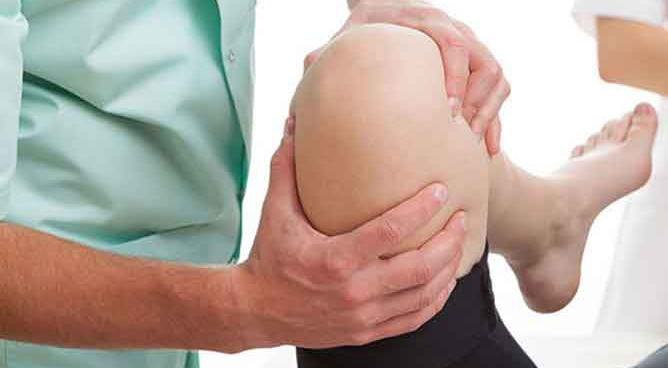
Sports Medicine Department
Providing comprehensive treatment and rehabilitation for rapid return to sports activities, our specialized team manages sports-related injuries such as knee and shoulder injuries from falls, collisions, or sudden movements resulting in dislocations, inflammation, or tears in tendons and ligaments. Our care ranges from lifestyle guidance, medication, injections, physical therapy to surgical interventions, and injury prevention strategies.
For non-surgical cases, adherence to medical advice, such as avoiding high-risk sports or shifting to less demanding activities, along with physical therapy and muscle strengthening exercises, ensures optimal recovery. Surgical cases typically benefit from minimally invasive arthroscopic surgery, resulting in smaller incisions, reduced tissue trauma, quicker recovery, decreased postoperative pain, and reduced formation of scar tissue. These advantages have made arthroscopic surgery the preferred standard today.
Treatment and Rehabilitation for Chronic Shoulder and Knee Pain:
Chronic pain resulting from work-related strain or aging, such as rotator cuff tears, abnormal bone spurs, calcification in the shoulder, or knee osteoarthritis, is treated comprehensively through medication, injections, physical therapy, and surgical interventions.
Multidisciplinary Team Approach to Treatment and Rehabilitation
Arthroscopic Surgery:
This minimally invasive surgical method employs a tiny camera (arthroscope) to view joint interiors clearly. Small surgical instruments are inserted through minor incisions (0.5 cm), reducing tissue damage compared to traditional open surgery.
Advantages of Arthroscopic Surgery:
-
Enhanced visibility and accuracy
-
Small, minimally painful incisions
-
Reduced infection risk and scar tissue
-
Faster recovery and rehabilitation
-
Shorter hospital stays
-
Detailed surgical recording capabilities
Applications of Arthroscopic Surgery:
Knee Arthroscopy:
-
Torn ligaments (ACL, PCL) and meniscus tears from sports injuries or accidents
-
Articular cartilage damage
-
Knee fractures
-
Early-stage osteoarthritis
-
Removal of loose bodies or infectious material
Shoulder Arthroscopy:
-
Shoulder instability
-
Frozen shoulder resistant to medication and physical therapy
-
Rotator cuff inflammation or tears
-
Calcifying tendinitis
-
Labral tears
-
Glenoid fractures
-
Shoulder osteoarthritis
-
Removal of loose bodies or treatment of septic arthritis
Elbow Arthroscopy:
-
Joint stiffness from scar tissue
-
Severe synovial inflammation
Ankle Arthroscopy:
-
Ligament tears obstructing joint function
-
Severe synovial inflammation
-
Articular cartilage injuries
MRI Diagnosis:
Magnetic Resonance Imaging (MRI) is an advanced, painless, radiation-free diagnostic tool producing detailed 3D images. Ideal for evaluating ligament, tendon, and cartilage injuries clearly and accurately, MRI aids in effective treatment planning.
Rehabilitation with Physical Therapy Equipment:
-
High Power Laser: Accelerates tissue repair, alleviates chronic pain, and reduces inflammation.
-
Magnetic Therapy: Provides rapid pain relief and promotes tissue healing.
-
Tecar Therapy: Treats acute and chronic inflammation at the cellular level, with or without heat application.
-
Radial Shockwave Therapy: High-frequency shockwave treatment for chronic musculoskeletal