Bangkok Hospital
Caret Right
Search
CTA Curve
Find doctors icon
Find doctors
Appointments icon
Appointments
Contact icon
Contact
Call undefined
Menu
  • Select Hospital

  • Language

Doctor not found
Doctor not found
Doctor not found
Doctor not found
Bangkok Hospital
Contact us
View on Google Maps
    Privacy Policy

    |

    Cookie Policy

    Copyright © 2026 Bangkok Hospital. All right reserved


    Network Hospitals Directory
    MEMBER OFBDMS logo

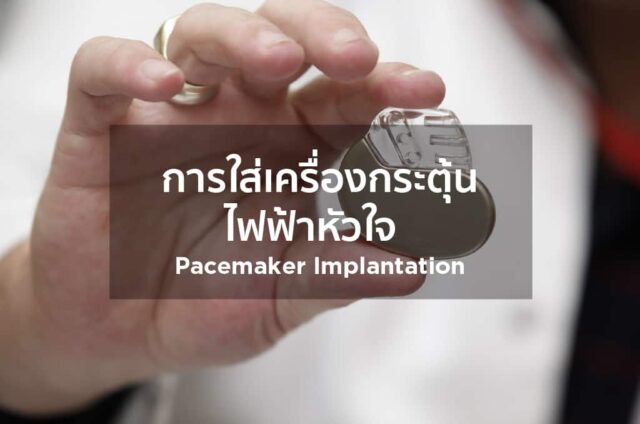
    Pacemaker Implantation

    1 minute(s) read
    Information by
    Package Image
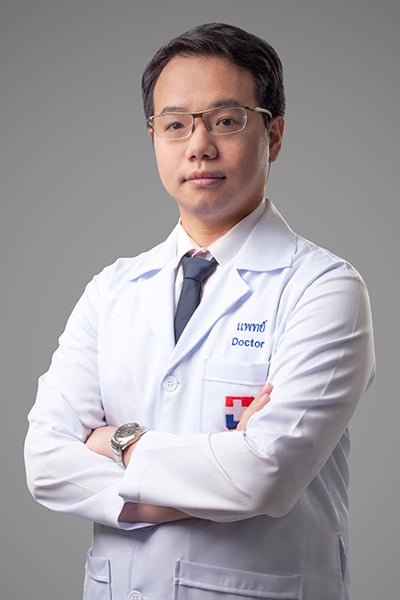
    Dr. Tanas Buppajarntham

    Bangkok Hospital Phuket

    Updated on: 09 Dec 2025
    Dr. Tanas Buppajarntham
    Dr. Tanas Buppajarntham
    Bangkok Hospital Phuket
    Recommended Packages
    Package Image
    Heart Check-up Program
    Pacemaker Implantation
    Bangkok Hospital Phuket
    Updated on: 09 Dec 2025

    What is pacemaker implantation?

    Insertion of pacemaker machine repair into the chest to help the heart beats with regular rhythm. It is usually performed in patients with arrhythmia (irregular heartbeat), especially bradycardia (slow heart rate; less than 60 beats per minute)

    What are the benefits of pacemaker implantation?

    • Relieves symptoms of bradycardia or heart block such as fatigue, blackouts, and fainting.
    • Helps control the rhythm in complex arrhythmias such as when both bradycardia and tachycardia (fast heart rate) are present.

    What are the types of pacemakers?

    • Endocardial Lead most common
    • Epicardial Lead used post-surgery or in child patients

    Steps of implantation

    • Inserting the leads into the heart chambers through the great veins
    • Connecting the pulse generator with the electrodes
    • Placing the pacemaker in the chest

    How does the machine work?

    • The machine monitors electrical conduction in the heart. If slow conduction or fibrillation is detected, the machine will stimulate the heart to pump at the normal rhythm.
    • The machine also records any tachycardias for the benefit of long-term care.

    Are there any risks or possible complications?

    • In the short term, there may be bruises near the surgical wound , especially in patients who take anticoagulants
    • The leads are moved out of place (uncommon)
    • Arrhythmias as a result of the implantation (uncommon)

    What to do after the implantation?

    • Visit the cardiologist to monitor the machine and the surgical wound. The first few visits will take place every 2 weeks. Then 3 months after the implantation of the machine and recovery of the surgical wound, the visits will be every 6 months.
    • Avoid being near places with high-intensity electromagnetic fields such as large loudspeakers, high-voltage posts or the x-ray object scanner at the airport.
    • Seek medical attention if there is pain or swelling around the surgical wounds , or any other symptoms that indicate malfunction of the machine.


    Information by

    Doctor Image

    Dr. Tanas Buppajarntham

    Internal Medicine

    Cardiology
    Clinical Cardiac Electrophysiology

    Dr. Tanas Buppajarntham

    Internal Medicine

    Cardiology
    Clinical Cardiac Electrophysiology
    Doctor profileDoctor profile

    For more information, please contact

    Heart Center

    Open daily from 7.30 am - 5.00 pm.

    +66 7625 4425 ext. 1610

    [email protected]

    @phukethospital

    Related Doctors

    See all doctors

    Packages & Promotions

    Heart Check-up ProgramHeart Check-up Program
    Heart Check-up Program

    12,800 Baht

    Detail
    More packages

    Health Info

    More health info

    Health Info

    EP Study and RF Ablation: Accurate, Safe Diagnosis and Treatment of Cardiac Arrhythmias with Rapid Recovery Image
    EP Study and RF Ablation: Accurate, Safe Diagnosis and Treatment of Cardiac Arrhythmias with Rapid Recovery
    Cardiovascular Vascular Intervention Image
    Cardiovascular Vascular Intervention
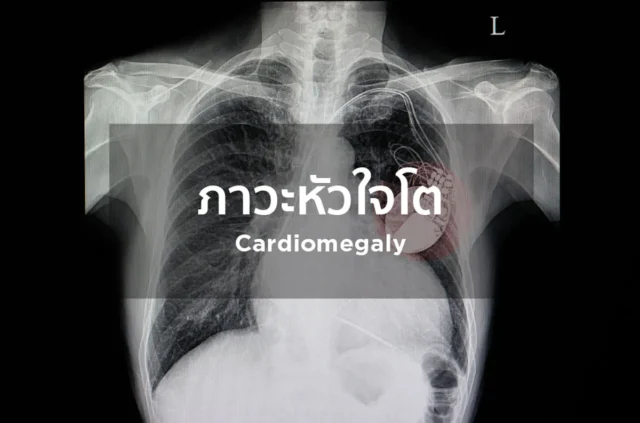
    Cardiomegaly Image
    Cardiomegaly
    More health info