


What is Coronary Artery Calcium Scoring?
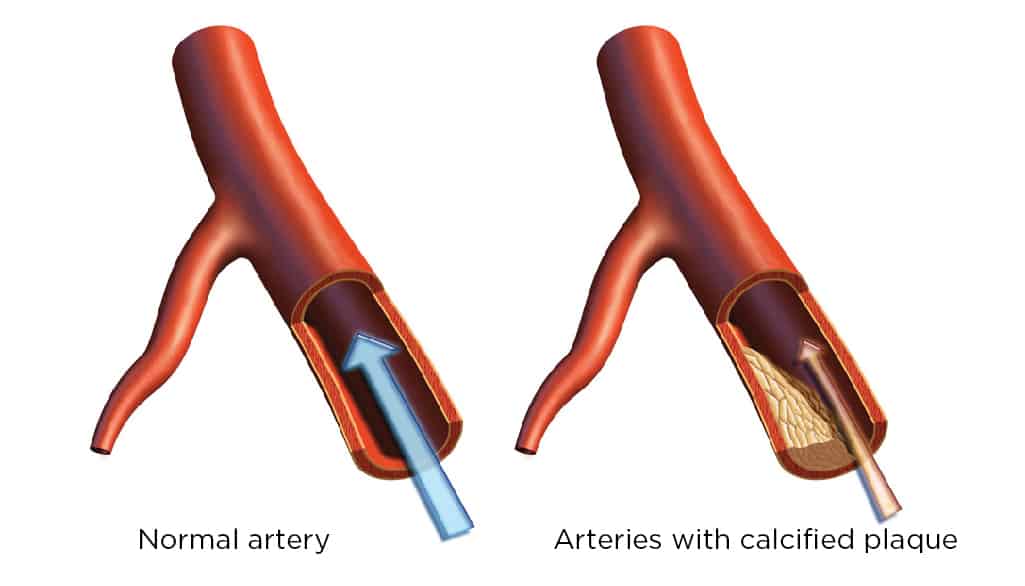
Coronary Artery Calcium Scoring uses a CT scan to measure the amount of calcified plaque in the coronary arteries, the main arteries that supply oxygen-rich blood to the entire heart muscle. The level of calcified plaque that is detected indicates the level of risk of developing coronary artery disease. The more the plaque is found, the greater the degree of risk factor. The images of calcified plaque in coronary arteries will be interpreted as a number or called Coronary Calcium Score. If plaque is not detected in the coronary artery or the coronary artery calcium score is 0, the risk of developing coronary artery disease-related events or a chance of developing acute coronary syndrome events is low. A coronary calcium score of >400 signifies high risk of a cardiovascular event within 2-5 years with or without symptoms.
What are the benefits of coronary calcium scan?
Detecting the presence of calcified plaque in the coronary arteries heightens the level of awareness of being a risk factor for coronary artery disease. There are many risk factors for coronary artery disease and some can be controlled but not others. The risk factors that can be controlled (modifiable) include high blood pressure, high blood cholesterol levels and smoking. Age is a traditional risk factor. Proper control and treatment of important risk factors can lead to reduced incidence of cardiovascular events or myocardial ischemia in the future.
Is the testing process difficult or painful?
What are the advantages of early detection of calcified plaque in the coronary arteries?
- Coronary calcium scan is painless. The procedure does not require the patient to be admitted to the hospital.
- There will be no injections given. No contrast media is injected into the arteries.
- No special preparation is needed before a cardiac CT.
- The scan is conducted by a computerized x-ray machine with a relatively low radiation exposure.
Who should get a coronary artery calcium scan?
- Anyone aged 45 years.
People with risk factors for coronary heart disease such as high blood pressure, diabetes, high cholesterol, smoking, obesity, or family members who developed the disease.