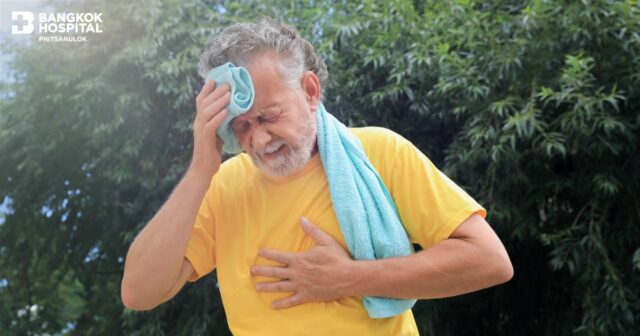
Stroke, medically known as cerebrovascular disease, occurs when the blood supply to the brain is interrupted or reduced, depriving brain cells of oxygen and essential nutrients. This can result in brain damage, long-term disability, or even death. Effective prevention and timely treatment are therefore critical.
How to Prevent Stroke
Prevention is the most effective way to reduce the risk of stroke. Recommended preventive measures include:
-
Blood Pressure Control – Hypertension is a leading risk factor for stroke. Regular monitoring and maintaining blood pressure at or below 120/80 mmHg is essential.
-
Healthy Diet – A well-balanced diet that includes vegetables, fruits, whole grains, and lean proteins is key. Avoid foods high in saturated fats, sugar, and sodium.
-
Regular Physical Activity – Exercise helps control weight, lower blood pressure, and improve lipid balance. Aim for at least 150 minutes of moderate-intensity exercise per week.
-
Avoid Smoking and Exposure to Secondhand Smoke – Chemicals in tobacco smoke significantly increase the risk of stroke. Refrain from smoking and avoid exposure to tobacco smoke.
-
Weight Management – Overweight and obesity raise the risk of stroke. Maintaining a healthy Body Mass Index (BMI) through weight control can help reduce this risk.
-
Blood Sugar Control – Individuals with diabetes have a higher stroke risk. It is important to manage blood glucose levels within the normal range.
-
Stress Management – Chronic stress can elevate blood pressure. Incorporate relaxation techniques such as meditation, yoga, or other stress-reducing activities.
Stroke Treatment
Prompt and appropriate treatment following a stroke can minimize brain damage and enhance recovery outcomes. Stroke treatment is typically divided into two main categories:
1. Acute Treatment
-
Thrombolytic Therapy: For ischemic stroke, the administration of tissue plasminogen activator (tPA) can dissolve blood clots if given within 4.5 hours of symptom onset.
-
Endovascular Procedures: Mechanical thrombectomy may be performed using a catheter to remove the clot from the brain’s blood vessels.
-
Stabilization: Management of blood pressure and blood glucose to prevent further complications.
2. Rehabilitation
-
Physical Therapy: Supports the recovery of mobility and muscle strength.
-
Occupational Therapy: Helps patients regain independence in daily activities.
-
Speech and Language Therapy: Assists those with communication difficulties.
-
Risk Factor Management: Includes the use of antiplatelet agents and lipid-lowering medications to prevent recurrence.
Stroke Warning Signs: Remember FAST
Early recognition of stroke symptoms can save lives. Remember the acronym FAST:
-
F – Face Drooping: One side of the face appears uneven or numb.
-
A – Arm Weakness: Sudden weakness or numbness in one arm.
-
S – Speech Difficulty: Slurred or strange speech.
-
T – Time to Call Emergency Services: Immediate medical attention is crucial.
Conclusion
Preventing stroke is the key to reducing its incidence. However, if a stroke does occur, rapid intervention and a structured rehabilitation program can significantly improve the patient’s chances of recovery and return to daily life.