During the seasonal transition from the rainy period to early winter, the body must adjust to changes in weather. One significant infectious disease that frequently occurs—especially among young children—is a respiratory tract infection caused by the Respiratory Syncytial Virus (RSV). Although RSV may initially appear to cause symptoms similar to those of a common cold, it should not be underestimated, as it can be life-threatening.
Understanding RSV
Respiratory Syncytial Virus (RSV) is a type of virus that causes infections in both the upper and lower respiratory tracts. While RSV can infect both children and adults, it is most common in young children under three years of age. In Thailand, outbreaks tend to occur during the rainy season or at the transition from late rain to early winter.
Mode of Transmission
RSV is transmitted through various bodily secretions such as nasal mucus, saliva, and respiratory droplets produced when an infected person coughs or sneezes. Transmission can occur via direct contact. In children, the incubation period is approximately five days. During the initial 2–4 days, symptoms typically resemble those of a common cold—fever, cough, sneezing, and a runny nose. As the infection progresses, inflammation may extend to the lower respiratory tract, leading to conditions such as bronchiolitis, laryngotracheitis, and pneumonia. In severe cases, symptoms may include high fever, a severe cough, labored breathing, wheezing, and abundant phlegm in the throat.
Of particular concern are symptoms such as:
- A high fever exceeding 39°C,
- Persistent coughing to the point of vomiting,
- Rapid, labored breathing that causes the chest to sink,
- Difficult or noisy breathing with wheezing,
- Poor feeding or low milk intake,
- Lethargy and a bluish tinge to the lips.
These severe signs indicate that the patient is at a high risk of respiratory failure, which can be fatal.
Recent reports shared on social media have highlighted a case involving a five-month-old infant who developed pneumonia as a result of RSV infection. It is suspected that the infant contracted the virus through contact with an adult who, without proper handwashing, inadvertently transmitted the virus by holding or kissing the child. Hence, adults must exercise caution to prevent the unintentional spread of RSV to young children.
Management of RSV
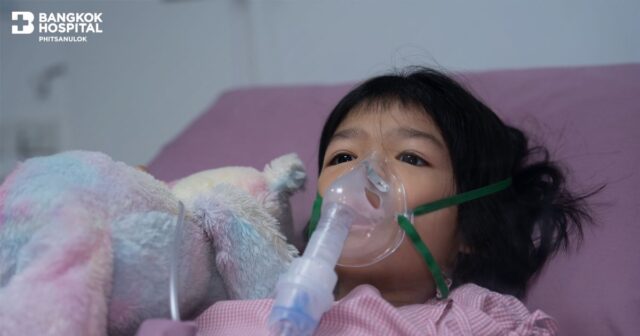
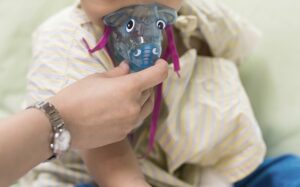
Currently, there is no specific antiviral medication available for treating RSV. Management is symptomatic and supportive. This may include administering antipyretics for fever reduction, antitussives to alleviate coughing, and expectorants to loosen thick mucus. In cases where children have particularly tenacious secretions, nebulized bronchodilator therapy administered with oxygen, chest percussion, and suctioning of the secretions may be employed to alleviate coughing and respiratory distress.
RSV infections generally resolve within one to two weeks. However, the virus can cause a spectrum of illness—from a mild cold-like syndrome to severe pneumonia, which can be life-threatening in infants. Moreover, reinfection is possible, particularly in individuals with weakened immune systems.
Prevention of RSV
Prevention is primarily achieved through maintaining good hygiene. Parents and caregivers should ensure regular handwashing for themselves and their children, as proper hand hygiene can reduce viral transmission by up to 70%. Additionally, consuming a balanced diet consisting of the five essential food groups, ensuring adequate rest, and engaging in outdoor physical activities in well-ventilated areas can help strengthen the immune system. Typically, healthy adults are less susceptible to RSV due to their robust immune defenses. However, adults can serve as carriers, inadvertently transmitting the virus to young children if proper hygiene is not observed.
For parents of children who are ill, it is advisable to isolate the affected child from other children and avoid crowded places. Personal items should be kept separate and maintained hygienically to prevent cross-infection. This is especially important for parents whose children attend nurseries or kindergartens; if symptoms of infection develop, it is recommended to keep the child at home until full recovery to curb further spread of the virus.