Causes and Risk Factors of Skin Cancer
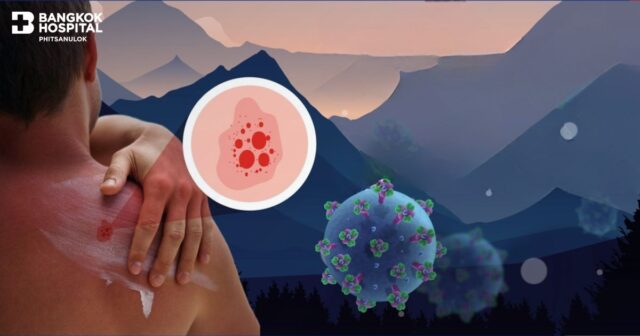
Skin cancer is primarily caused by prolonged exposure to ultraviolet (UV) radiation from sunlight. However, other contributing factors can also increase the likelihood of developing skin cancer. These include long-term exposure to hazardous chemicals and a weakened immune system. Common risk factors include:
-
Having fair or pale skin due to lower melanin levels
-
Prolonged sun exposure without proper protection, such as sunscreen or protective clothing
-
Living in regions with intense sunlight or at high altitudes
-
Having an unusually large number of moles
-
A personal or family history of skin cancer
-
Immunosuppression, such as being HIV-positive
-
Long-term exposure to harmful radiation
-
History of contact with toxic substances, such as arsenic, or chronic chemical exposure
Signs and Symptoms of Skin Cancer
Skin cancer typically manifests on the skin and can be visually detected. It may occur anywhere on the body, particularly on areas frequently exposed to the sun, such as the arms, legs, hands, and face. The symptoms vary depending on the type of skin cancer:
-
Basal Cell Carcinoma (BCC): Common symptoms include pink or red pearly nodules with visible small blood vessels (telangiectasia). The lesion may appear scaly or crusted and grows slowly over time, potentially ulcerating and leading to persistent wounds.
-
Squamous Cell Carcinoma (SCC): This often begins as a firm, red or pink nodule that may become scaly or crusted. It is typically hard to the touch, bleeds easily, and may enlarge progressively, resulting in chronic, non-healing ulcers.
-
Melanoma: This aggressive form of skin cancer may resemble a mole or dark spot but typically enlarges rapidly, has irregular borders, and displays uneven coloration. The lesion may crust or bleed.
How to Prevent Skin Cancer
-
Seek shade, especially during midday hours (10:00 AM–2:00 PM) when UV rays are strongest.
-
Avoid direct sun exposure when possible.
-
If sun exposure is unavoidable, wear a wide-brimmed hat, UV-protective sunglasses, long-sleeved dark clothing, and use an umbrella coated with UV-reflective material.
- Use sunscreen:
-
Choose broad-spectrum sunscreens that protect against both UVA and UVB rays, with SPF 30 or higher, and are water-resistant.
-
Reapply sunscreen every 2 hours when exposed to sunlight.
-
Use approximately a two-finger-length strip of cream sunscreen (or a 10-baht coin size amount for liquid sunscreen) for the face alone, excluding the neck.
-
Do not forget commonly exposed areas such as the neck, ears, back, arms, and legs.
-
-
Avoid smoking.
-
Perform regular self-examinations of your skin. If you notice any unusual lesions, consult a board-certified dermatologist promptly for accurate diagnosis and treatment.
-
Schedule routine skin cancer screenings at least once a year, or more frequently if you are at high risk or have a personal history of skin cancer.
Can Skin Cancer Be Cured?
Most cases of skin cancer can be successfully treated, particularly when detected early. Surgical excision alone is often sufficient. However, if the cancer has metastasized, adjunct therapies such as chemotherapy or radiation therapy may be required. Less invasive methods such as curettage and electrodessication, cryotherapy, or topical medications (e.g., imiquimod or 5-fluorouracil) are generally reserved for superficial, non-aggressive skin cancers.
Care by Board-Certified Dermatologists
All procedures are performed by experienced dermatologists. Patients receive professional consultation prior to treatment and can return home the same day without requiring hospital admission.
No more uncertainty or anxiety about your skin condition.
Bangkok Hospital Phitsanulok
📞 Tel. 0-5505-1724
With appreciation to Bangkok Hospital and Bangkok Hospital Pattaya for providing this information.