Prevention and Treatment of Respiratory Diseases
Respiratory Diseases
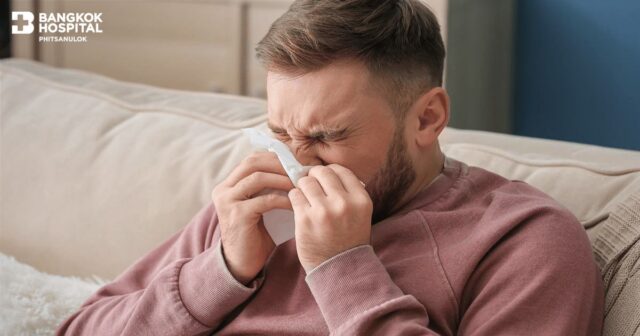
Respiratory diseases are a significant public health concern that affect the quality of life for people across the globe. These conditions encompass a wide spectrum—from the common cold to chronic respiratory illnesses such as asthma, chronic obstructive pulmonary disease (COPD), and pneumonia. While respiratory diseases can occur throughout the year, their prevalence tends to increase during periods of seasonal change, particularly during the rainy and winter months.
Prevention of Respiratory Diseases
Preventing respiratory illnesses is crucial for reducing the risk of infection and promoting long-term respiratory health. Key preventive measures include:
-
Hand Hygiene – Regular handwashing with soap and clean water, or the use of alcohol-based hand sanitizers containing at least 70% alcohol, can effectively reduce the transmission of infectious agents through contact.
-
Infection Control – Avoiding close contact with individuals showing symptoms of respiratory infections, such as the flu or common cold, and wearing face masks in crowded public spaces can significantly help prevent the spread of respiratory pathogens.
-
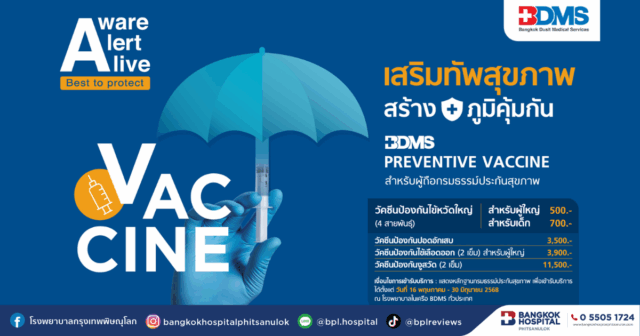
Immunization – Receiving annual influenza vaccinations and the pneumococcal vaccine plays an essential role in reducing the incidence and severity of certain respiratory infections.
-
Healthy Lifestyle Practices – Maintaining a strong immune system through regular physical activity, balanced nutrition, and adequate sleep helps the body better resist infections.
Treatment of Respiratory Diseases
Once diagnosed, treatment for respiratory diseases depends on the specific condition and its severity. The primary treatment approaches include:
-
Pharmacological Therapy – Medications commonly used include anti-inflammatory drugs, bronchodilators, antibiotics for bacterial infections, and antitussives (cough suppressants). The choice of medication is tailored to each patient’s clinical condition.
-
Respiratory Therapy – In cases such as asthma or COPD, respiratory support through devices like inhalers, nebulizers, or pulmonary rehabilitation exercises can aid in improving breathing efficiency.
-
Surgical Intervention – For patients with complications or structural abnormalities of the airways, surgical procedures such as lung surgery or tracheostomy may be necessary.
-
Home Care – For mild respiratory illnesses such as the common cold, supportive care at home—including adequate hydration, rest, and adherence to prescribed medications—can promote recovery.