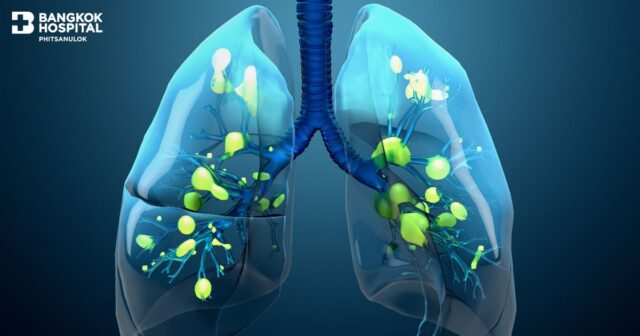
Pneumonia is far more dangerous than many realize. It impairs the lungs’ ability to effectively exchange oxygen, disrupting the respiratory system. This can result in labored breathing, shortness of breath, and in severe cases, life-threatening complications. Early medical attention is critical—do not wait until symptoms escalate. Prompt consultation and appropriate treatment are essential to prevent serious outcomes.
What Causes Pneumonia? 🧐🧐
Pneumonia may result from infectious or non-infectious causes. However, infections are by far the most common triggers. Pathogens such as bacteria, viruses, and fungi are typically transmitted via the respiratory tract. When inhaled, especially during periods of weakened immunity or underlying health conditions, these microorganisms can infect the lungs, leading to inflammation. The severity of pneumonia often depends on the individual’s general health status and immune response.
Signs and Symptoms to Watch For 👀👀
-
Persistent cough
-
Production of phlegm or mucus
-
High fever, possibly accompanied by chills
-
Difficulty breathing or rapid, shallow breaths
-
Sharp chest pain during inhalation
-
Severe coughing that may radiate pain to the shoulder or sides
Treating Pneumonia ❤️🩹
reatment for pneumonia depends on the underlying cause and the severity of the illness. For cases caused by infection, physicians typically prescribe antibiotics, antivirals, or antifungal agents, depending on the identified pathogen. Follow-up appointments may be necessary to monitor progress. If symptoms do not improve, further diagnostic investigations—such as laboratory tests or imaging—may be required to identify alternative causes.
Patients considered high-risk—including individuals over 65 years of age, those with chronic illnesses, severe respiratory distress, chest pain, or difficulty swallowing—may require hospital admission for close monitoring and intensive care, as determined by the attending physician.
Preventing Pneumonia 💉💉
-
Ensure adequate rest and maintain overall physical health
-
Follow a balanced, nutritious diet and use dietary supplements as needed
-
Avoid smoking and stay away from crowded or poorly ventilated areas
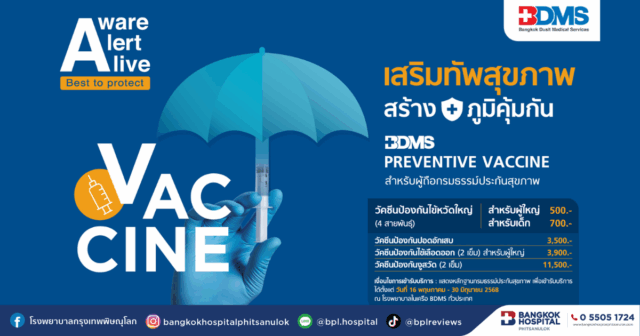
Maintaining a strong immune system is one of the best defenses against pneumonia. Additionally, pneumococcal vaccination offers significant protection and is a recommended preventive measure. However, eligibility and timing of the vaccine should be assessed by a healthcare provider before administration.
Pneumonia is a condition that should never be taken lightly. Early detection and proper treatment not only alleviate symptoms more effectively but also significantly increase the chance of a full recovery.
Information courtesy of Bangkok Hospital and Phyathai Hospital