What Is PM 2.5?
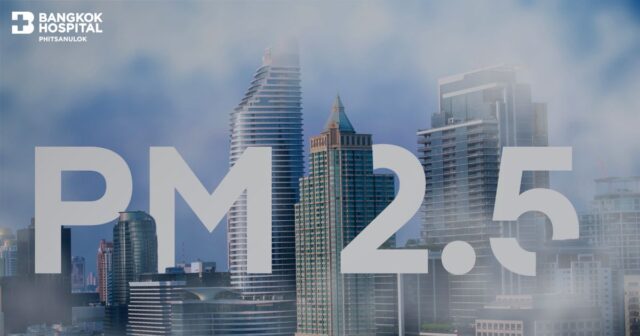
The term “PM” stands for particulate matter, which is a measure of the size of particles suspended in the air. PM 2.5 refers to particles that are less than 2.5 micrometers in diameter. To put this into perspective, a human hair is approximately 50–70 micrometers thick, making these tiny particles 20–30 times smaller than a strand of hair.
Where Does It Come From?
PM 2.5 originates from various forms of energy consumption, particularly within industrial processes. It is produced by:
- Combustion emissions from energy use in industry,
- The burning of agricultural residues and waste,
- Chemical reactions occurring in the atmosphere.
How Does It Affect Health?
Exposure to PM 2.5 can lead to symptoms such as:
- Coughing and sneezing,
- Nasal irritation and congestion,
- Difficulty breathing.
High-risk groups—including children, the elderly, and individuals with pre-existing respiratory or cardiovascular conditions—should avoid areas with high levels of air pollution.
Recommended Precautions
- Wear an Appropriate Mask: Use masks with effective PM 2.5 filtration capabilities (e.g., N95 or N99 masks) to reduce inhalation of harmful particles.
- Secure Indoor Environments: Keep windows and doors closed to prevent outdoor pollutants from entering your home. Utilizing an air purifier can also help improve indoor air quality.
- Limit Outdoor Exposure: PM 2.5 levels tend to peak during early morning and late evening. If you must be outdoors during these times, choose well-ventilated areas and always wear a mask. Upon returning indoors, wash your face, hands, and take a shower promptly to remove any particles that may have adhered to your skin.
- Maintain Overall Health: A balanced routine of regular exercise and proper rest can strengthen your immune system, helping your body to better resist the adverse effects of air pollution.
When to Seek Medical Attention
If you experience persistent or worsening symptoms, it is important to consult a physician immediately.