

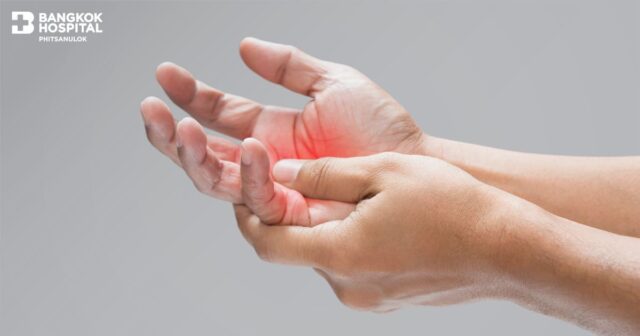
In today’s fast-paced world, this condition is becoming increasingly common, especially among working-age individuals who rely heavily on computers and digital devices throughout the day. Prolonged and repetitive hand movements can lead to numbness, finger stiffness, and even chronic pain if left untreated.
Common Symptoms of Numb Hands
Many patients report experiencing wrist and finger pain upon waking, along with difficulty in moving or flexing their fingers. In some cases, fingers may become stiff, making it hard to extend them after bending. There may also be persistent discomfort and a noticeable decline in hand function.
Over the past few years, orthopedic specialists have seen a significant rise in patients seeking medical attention and physical therapy for hand-related disorders. These issues affect both men and women and often involve symptoms such as hand numbness so severe that gripping becomes difficult, or trigger finger—where one or more fingers become locked in a bent position and cause pain when moved.
Upon reviewing patients’ medical histories, many shared similar patterns: they frequently work on computers and often hold positions such as software developers, graphic designers, or accountants. Other high-risk groups include golfers, Thai massage therapists, factory workers who perform repetitive tasks, chefs who constantly chop and slice food, and even housekeepers who wring laundry regularly.
Let’s take a closer look at how these symptoms develop, so those in the early stages can seek timely treatment before the condition worsens.
What Is Nerve Compression-Induced Hand Numbness?
This condition occurs when a nerve passing through the wrist becomes compressed. This particular nerve travels from the forearm to the hand, passing through a narrow space in the wrist beneath a ligament. Various factors can lead to compression of this nerve, resulting in numbness and radiating pain along the arm or shoulder. In more advanced cases, affected individuals may experience muscle weakness and a noticeable decrease in muscle mass at the base of the thumb.
This disorder is more common in women than in men and is typically seen in individuals aged between 30 and 60 years.
What Causes Nerve Compression?
Anything that triggers inflammation or irritation of the tissue surrounding the tendons can lead to nerve compression. Common causes include:
-
Repetitive wrist impacts such as using lawn mowers, power drills, tennis or golf grips
-
Wrist fractures or joint dislocations
-
Rheumatoid arthritis
-
Diabetes
-
Hormonal changes during pregnancy or menopause
When to Consult a Specialist
-
You should seek medical attention if you experience:
-
Numbness or tingling in the hand, especially during the night (often related to sleeping positions or overuse during the day)
-
Decreased sensation in the thumb, index, middle, and part of the ring finger, leading to a weak grip
-
A sharp, electric-shock-like sensation when tapping the wrist — symptoms may worsen if the hand remains flexed toward the forearm for over a minute
Prolonged compression can cause muscle atrophy at the base of the thumb.
-
Treatment Options for Nerve Compression-Induced Numbness
If symptoms are mild, non-invasive treatments may include:
-
Wearing a wrist splint at night to prevent wrist flexion and reduce inflammation
-
Taking anti-inflammatory medications
-
In more severe cases, corticosteroid injections may be administered to reduce swelling and alleviate nerve pressure. These injections are safe, localized, and require only a small dosage.
If conservative treatments do not provide sufficient relief, surgical intervention may be necessary. The procedure involves cutting the ligament that compresses the nerve. Post-surgical outcomes are generally positive, with gradual improvement in numbness and pain. However, full recovery may take some time.
Acknowledgements
Dr. Siraphat Photphook
Dr. Kobsak Udomdej — Orthopedic Surgeon
Dr. Thainit Chotanaphuti — Specialist in Joint Replacement Surgery
Musculoskeletal Center, Phyathai Nawamin Hospital
No more worries, no more unanswered questions about your symptoms.
Bangkok Hospital Phitsanulok
📞 Tel. 0-5505-1724
#BangkokHospitalPhitsanulok #EveryServiceWithCare #BecauseWeTrulyCare
#TriggerFingerSurgery #WristGanglionCyst #CompressedNerveSyndrome