


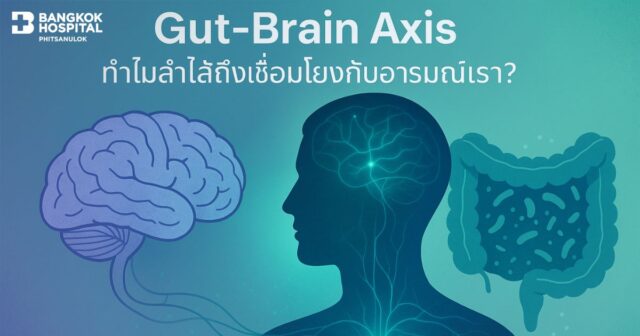
The Gut-Brain Connection: Why Your Digestive Health Matters to Your Mental Well-being
In recent years, the idea that the gut plays a critical role in mental health has garnered increasing attention from scientists and health professionals alike. This growing interest is driven by mounting scientific evidence revealing a strong connection between the digestive system and the brain — a relationship that influences our emotions, thoughts, and cognitive functions. At the heart of this link is a complex communication network known as the Gut-Brain Axis.
What Is the Gut-Brain Axis?
The Gut-Brain Axis refers to the bidirectional communication system between the gut and the brain. It involves interaction between the Enteric Nervous System (ENS) — often called the “second brain” — and the Central Nervous System (CNS). This communication goes beyond simple biochemistry; it includes electrical signals and hormonal pathways that impact both physical health and emotional well-being.
Interestingly, the ENS regulates digestive function and contains more than half of the body’s total neurons. Research suggests that the gut significantly influences brain function in areas such as mood regulation, cognitive processing, and stress response.
Gut Microbiota and Mood Regulation
Our gut is home to a vast ecosystem of microorganisms — including bacteria, fungi, and viruses — that not only aid in digestion but also play a vital role in producing chemicals that affect the brain. Among the most important of these is serotonin, a neurotransmitter that helps regulate mood and promote feelings of happiness and calm.
Remarkably, approximately 90% of the body’s serotonin is produced in the gut. An imbalance in gut microbiota can therefore lead to reduced serotonin levels, which may contribute to mood disorders such as anxiety and depression.
How the Gut Communicates with the Brain
Communication between the gut and the brain occurs via the vagus nerve, a major neural pathway that connects the brain to various organs, including the gastrointestinal tract. This allows the brain to receive real-time signals from the gut — and vice versa — enabling the gut to react to emotional or psychological stress.
The immune system also plays a role in this dialogue by releasing inflammatory chemicals that can affect brain function. Chronic inflammation has been associated with several mental health disorders, further underscoring the importance of gut health in overall psychological resilience.
Why Gut Health Is Crucial for Mental Wellness
Studies have shown that maintaining a healthy and balanced gut microbiome has a direct impact on mental health. A nutritious diet and proper gut care not only improve digestion but also enhance mood and cognitive function. Foods rich in dietary fiber — such as vegetables, fruits, and whole grains — along with probiotics (which increase beneficial gut bacteria) can support hormone balance and emotional well-being.
Tips for Supporting Gut Health and Mental Wellness
-
Eat a High-Fiber Diet
Consume plenty of fiber-rich foods like vegetables, fruits, and whole grains to encourage the growth of beneficial gut bacteria that help regulate mood-related neurotransmitters. -
Avoid Highly Processed Foods
Diets high in sugar and unhealthy fats can disrupt the balance of gut microbiota, leading to inflammation and adverse effects on mental health. -
Include Probiotics and Prebiotics
Incorporate probiotic-rich foods (e.g., yogurt, kefir, fermented vegetables) and prebiotic fibers (e.g., garlic, onions, bananas) to support gut microbial diversity and stability. -
Manage Stress Effectively
Chronic stress can negatively impact both gut and brain function. Techniques such as deep breathing, mindfulness, and meditation can help restore balance to the gut-brain axis and support mental clarity.