What Causes Streptococcus Suis Infection?
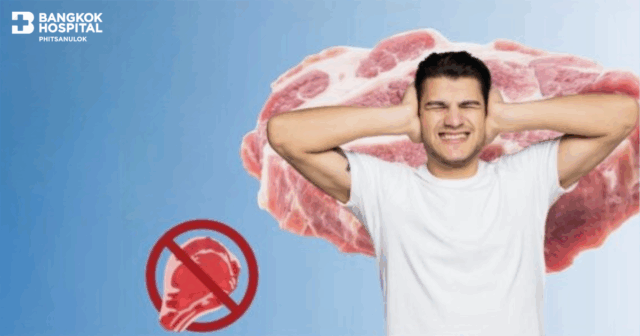
Streptococcus suis is a type of bacteria commonly found in nearly all pigs. While it typically does not cause illness in healthy pigs, it can multiply rapidly when a pig becomes sick, eventually leading to the pig’s death. This bacterium can be transmitted to humans in two primary ways:
-
Consuming raw or undercooked pork and pig’s blood.
-
Direct contact with contaminated pork through open wounds, mucous membranes (such as the eyes), or pig secretions.
Symptoms of Streptococcus Suis Infection
The incubation period is typically 3–5 days. Most infected individuals experience high fever, abdominal pain, diarrhea, nausea, vomiting, and dizziness to the point of losing balance. In more severe cases, the infection can lead to meningitis and complications such as inflammation of the auditory nerve, which may result in sudden hearing loss or permanent deafness. If any of these symptoms occur, it is crucial to seek medical attention immediately, as the infection can lead to sepsis and become life-threatening.
Treatment
The primary treatment involves intravenous antibiotics administered for at least 2–3 weeks. Supportive care includes managing symptoms such as fever, pain, and dizziness, along with providing essential nutrients and electrolytes to stabilize the patient’s condition.
Preventive Measures
-
Avoid consuming raw or undercooked pork. Cook pork thoroughly at a minimum temperature of 70°C (158°F) for at least 10 minutes.
-
Wear gloves when handling raw pork and always wash hands thoroughly afterward.
-
Do not consume pork from pigs that were ill or died from unknown causes.
-
Avoid purchasing pork that has a strong odor or dark coloration. Choose pork from certified, hygienic sources approved by the Department of Livestock Development or the Ministry of Public Health.
-
Do not use the same utensils for handling raw and cooked pork.
-
If symptoms such as high fever, headache, or diarrhea occur after consuming undercooked meat, seek medical attention immediately.
With thanks to Paolo Hospital for providing the information.