


-
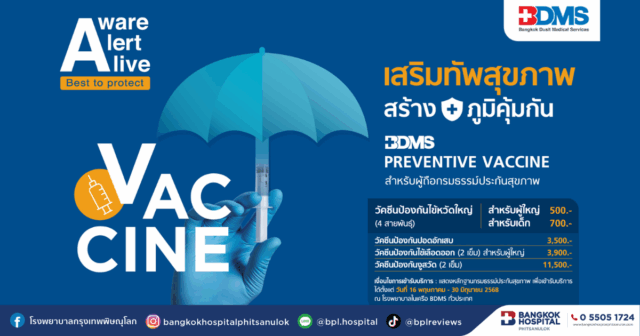
A new generation dengue vaccine covering all four serotypes is now available for both children and adults aged between 4 and 60 years.
-
The dengue virus has four distinct serotypes (DENV-1, DENV-2, DENV-3, and DENV-4). Once infected with one serotype, the body develops lifelong immunity to that specific strain—but not to the others. This means a person can be infected with dengue more than once in their lifetime.
-
The dengue vaccine has been shown to be 80.2% effective in preventing symptomatic dengue from all four strains and 90.4% effective in preventing hospitalization due to severe cases.
-
The vaccination regimen is simple and convenient: just two doses administered three months apart. It can be given regardless of prior dengue infection and does not require pre-vaccination immunity screening.
-
The vaccine has an excellent safety profile. Common side effects are mild and include soreness at the injection site, headache, and muscle aches—most of which resolve within 1–3 days.

Understanding the Dengue Virus
The dengue virus is categorized into four serotypes: DENV-1, DENV-2, DENV-3, and DENV-4. Most dengue infections are asymptomatic or cause only mild illness. However, in some cases, the disease can progress to severe dengue, leading to shock and even death. Predicting who will develop severe symptoms remains a significant challenge.
Outbreaks of dengue occur in cycles, with different serotypes predominating in different years. In Thailand, the most commonly circulating strains are DENV-1 and DENV-2. Because immunity is specific to each serotype, many individuals remain susceptible to strains they have not previously encountered. Although temporary cross-protection may occur, reinfection with a different serotype often results in a heightened immune response that can paradoxically increase disease severity. This phenomenon contributes to the greater risk of severe dengue during a second infection.
Aedes Mosquitoes: The Silent Carrier
Dengue is transmitted by the Aedes mosquito, which thrives in warm, populated environments—whether urban or rural. As long as people live in a community, these mosquitoes can breed and spread the virus. This means that everyone, regardless of location, is at risk of contracting dengue fever.
-
For Children: Pediatric Department, 3rd Floor
-
For Adults: Internal Medicine Department, 1st Floor
#BangkokHospitalPhitsanulok
#EveryServiceWithCare
#YourWellbeingIsOurPriority