Mechanical Thrombectomy: A Life-Saving Technology for Stroke Patients
For those suffering from an ischemic stroke, the condition may seem terrifying and life-altering. However, with today’s medical advancements, mechanical thrombectomy has emerged as a highly effective treatment option, enabling patients to recover and return to normal life.
What is Bi-plane?
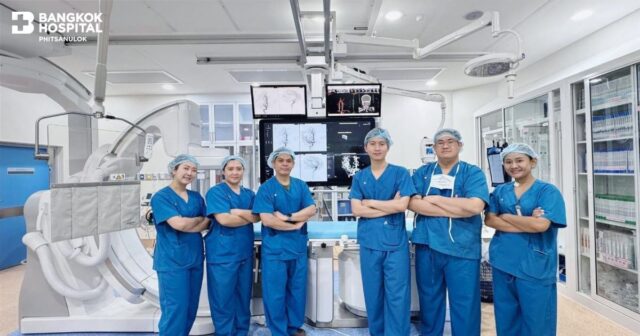
Bi-plane is a medical imaging technology that employs a dual-plane X-ray system to produce three-dimensional images of blood vessels within the body. This technology allows physicians to view the vessels from multiple angles simultaneously, thereby increasing the accuracy of diagnosing and treating vascular blockages. Such blockages can deprive the brain of oxygen and blood flow, leading to irreversible brain damage, disability, or even death if not treated promptly. Common symptoms of stroke include:
- Weakness or numbness on one side of the body
- Slurred or difficult speech
- Dizziness and blurred vision
- Sudden paralysis
Rapid treatment is key to minimizing brain damage and enhancing the chances of recovery.
A New Innovation for Stroke Treatment
Bi-plane DSA: A Non-surgical Option for Stroke Care
Bi-plane Digital Subtraction Angiography (DSA) is used for both the diagnosis and treatment of conditions affecting the brain, liver, peripheral vessels, and more. This technology provides a non-surgical alternative for treating various diseases, often referred to as “radiation-assisted treatment.”
Why Choose Our Hospital for Stroke Care?
- Expert Medical Team
Our hospital boasts a team of specialists in stroke care, including neurologists and neuroradiologists experienced in managing advanced stroke cases, along with skilled nurses trained in critical patient care. - State-of-the-Art Medical Technology
We are one of the few hospitals equipped with the latest medical devices. Our Biplane system captures real-time, high-resolution images of cerebral vessels, surpassing the capabilities of conventional monoplane systems. Additionally, our CT and MRI facilities facilitate rapid and precise diagnosis and treatment. - Comprehensive Patient Care
Beyond emergency treatment, our hospital features a rehabilitation center that offers personalized recovery programs. These programs address physical rehabilitation, speech therapy, daily living skills training, and psychological counseling—helping patients regain function faster and reduce the risk of recurrence.- Physical Therapy: Tailored exercise programs and movement training to enhance strength and mobility.
- Speech Therapy: Specialized care for patients experiencing speech difficulties post-stroke.
- Psychological Rehabilitation: Professional mental health support to boost confidence and aid recovery.
- Telemedicine Services for Follow-Up
Post-treatment, our telemedicine service ensures continuous follow-up and specialist consultation 24 hours a day, regardless of your location. Regular monitoring helps reduce the likelihood of recurrent strokes and reinforces confidence in the recovery process.
Mechanical Thrombectomy Procedure
- Rapid Diagnosis:
Utilizing CT and MRI technology to quickly determine the location and size of the clot. - Catheter Insertion:
A specialist carefully navigates a catheter through the blood vessels of the leg into the brain to remove the clot. - Swift Recovery:
Once the clot is removed, normal blood circulation to the affected brain region is restored, increasing the likelihood that the impaired brain function will return to normal and aiding in overall patient recovery.
Stroke Prevention: An Ounce of Prevention is Worth a Pound of Cure
In addition to treatment, our hospital offers screening programs and counseling services aimed at preventing strokes, especially for high-risk individuals. These programs include health risk assessments such as monitoring blood pressure, cholesterol, blood sugar, and carotid artery plaque formation, along with a detailed evaluation of the brain’s vascular structure. Personalized health care plans are provided to reduce future stroke risk.
If you or your family members are at risk or have experienced a stroke, do not delay. Prompt treatment can change your life. Contact us for expert consultation and effective treatment available 24 hours a day.
For emergencies, please contact Bangkok Hospital Phitsanulok at 0-5505-1724