

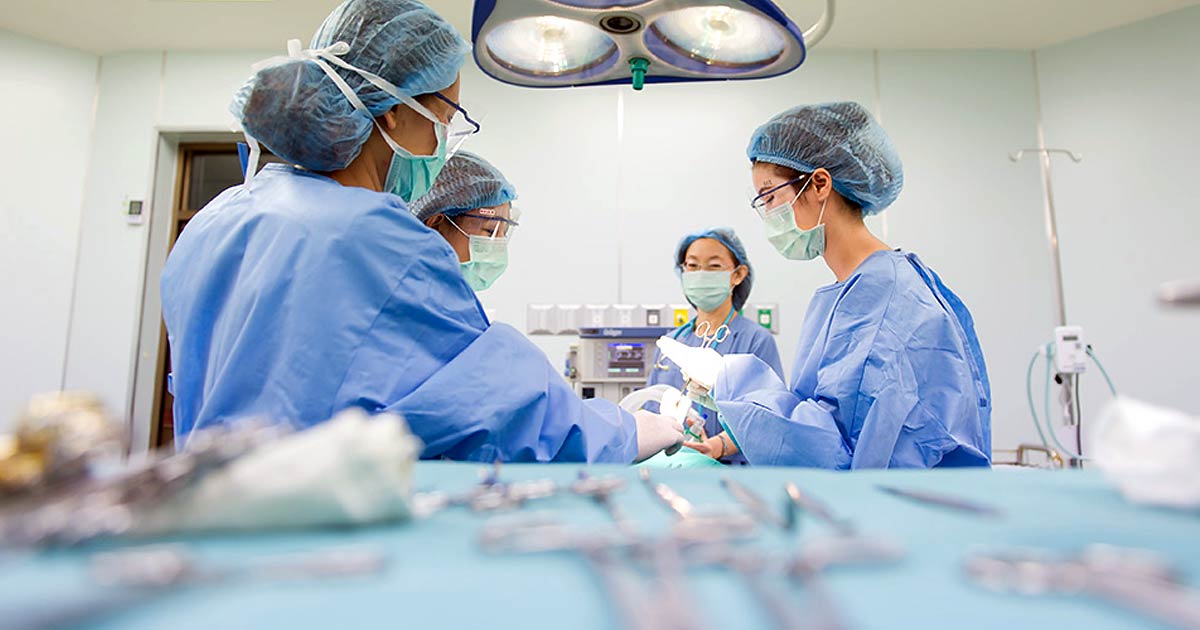
At its core, our goal is to instill confidence and reassurance in patients and their families—especially when concerns arise about the use of analgesics or the induction of general anesthesia.
Treatments Provided:
• Inhalation Anesthesia
• Epidural Block
• Surgical Anesthesia
• Sedation
• Anesthetic Agents
• Local Anesthesia
• Pain Management
At its core, our goal is to instill confidence and reassurance in patients and their families—especially when concerns arise about the use of analgesics or the induction of general anesthesia. By providing clear explanations and all the essential information prior to surgery, we help patients approach their procedures with calmness, relaxation, and the utmost safety.
An anesthesiologist, commonly referred to as the “anesthesia doctor,” plays a critical role in alleviating pain for patients undergoing surgery. Their responsibilities begin with preoperative preparation, continue with vigilant monitoring during the procedure, and extend through to ensuring a safe recovery from anesthesia.
In addition to overseeing the orderly and secure conduct of surgical procedures, anesthesiologists also monitor critically ill patients in intensive care units and are key members of resuscitation teams. They further contribute by managing chronic pain in cancer patients.
The Three Main Responsibilities of the Anesthesiology Team
- Preoperative Phase:
The team develops a tailored anesthesia plan for each patient. This process involves a comprehensive discussion, detailed history-taking, thorough review of physical examination findings, and an open forum for patients and their families to ask questions—especially regarding pain management. The aim is to ensure that patients feel reassured and fully prepared for both the anesthesia and the upcoming surgery. - Intraoperative Phase:
During surgery, patients receive anesthesia—either via inhalation or through appropriately administered local injections. The anesthesiologist remains in close proximity throughout the procedure, continuously monitoring the patient’s electrocardiogram, blood pressure, and oxygen saturation levels. This vigilant observation allows for the immediate identification and management of any abnormalities until the surgery is safely completed. - Postoperative Phase:
After surgery, patients are transferred to a recovery area for approximately 1–2 hours of close observation. During this period, the anesthesiologist monitors vital signs according to established protocols to ensure safety. Once the patient is stable and begins to regain consciousness, they are moved to a recovery room where ongoing monitoring and pain management are provided as needed.
Classification of Anesthesia and Sedation
Anesthesia and analgesia can be categorized as follows: • General Anesthesia: Inhalational or intravenous methods that induce a reversible loss of consciousness.
• Regional Anesthesia: Techniques (such as epidural or spinal blocks) that numb a larger region of the body.
• Local Anesthesia: The administration of anesthetic agents to a small, targeted area.
• Sedation: The use of medications to relax the patient, which may range from minimal sedation to deep sedation.
Patient Monitoring Before and After Surgery
An anesthesiologist is responsible for:
- Preoperative Preparation: Assessing the patient’s physical and mental readiness for surgery.
- Intraoperative Care: Providing continuous monitoring from the time the patient enters the operating room until they leave.
- Safety Vigilance: Ensuring a safe environment throughout the entire surgical procedure.
- Complication Management: Detecting and managing any complications that may occur during the surgery.
- Vital Sign Monitoring: Continuously checking the patient’s respiratory function, pulse, and blood pressure using appropriate monitoring devices.
- Recovery Observation: Overseeing the patient during the post-anesthesia recovery phase until full consciousness is regained.
- Pain Control: Administering appropriate analgesics tailored to the patient’s needs.
Important Considerations
It is important to understand that every surgical procedure—and the administration of anesthesia by any method—carries inherent risks of complications. These risks may stem from factors such as the patient’s underlying physical condition, the severity of the disease, and the nature of the surgical procedure. To mitigate these risks, anesthesiologists closely monitor the patient, ready to prevent or promptly address any complications—even those that may be difficult to avoid, such as shock, hypotension, or cardiac arrest. In such critical situations, both the anesthesiologist and the surgeon work in tandem to manage the crisis and provide immediate assistance, ensuring the smooth conduct of the surgical process for every patient.