
What is VO2 Max?
VO2 Max (Maximal Oxygen Consumption) is a measure of your body’s ability to take in, transport, and utilize oxygen during maximum-intensity exercise. It reflects the performance of your respiratory system, lungs, heart, blood vessels, and muscle cells — all working together.
Simply put, VO2 Max is your body’s fitness score, measured in milliliters of oxygen per kilogram of body weight per minute (ml/kg/min). The higher your VO2 Max, the fitter you are.
What does VO2 Max tell you?
Your VO2 Max reflects the efficiency of four key systems:
- Overall physical fitness
- Metabolism
- Respiratory system
- Cardiovascular system

During exercise, your muscles need oxygen to produce aerobic energy — the body’s most efficient fuel source. The more oxygen your muscles receive, the better they can convert nutrients into ATP (Adenosine Triphosphate), the molecule that powers muscle contraction. This is why endurance athletes like marathon runners spend significant training time improving their VO2 Max.
Why does VO2 Max matter for everyone — not just athletes?
According to a 2016 study by the American Heart Association, knowing your VO2 Max has real health benefits for everyone. It can:
- Assess your risk of heart and cardiovascular disease
- Help design a safe, personalized exercise program
- Calculate heart rate training zones for optimal workouts
- Indicate overall health — the fitter you are, the lower your risk of chronic disease
You don’t need to be a triathlete or marathon runner to benefit from knowing this number.
How is VO2 Max measured?
Smartwatch estimate: Many smartwatches provide a VO2 Max estimate — but these can be 15–20% inaccurate as they rely on heart rate, distance, and speed calculations only.
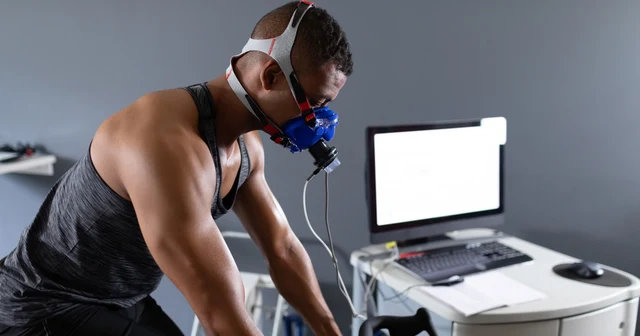
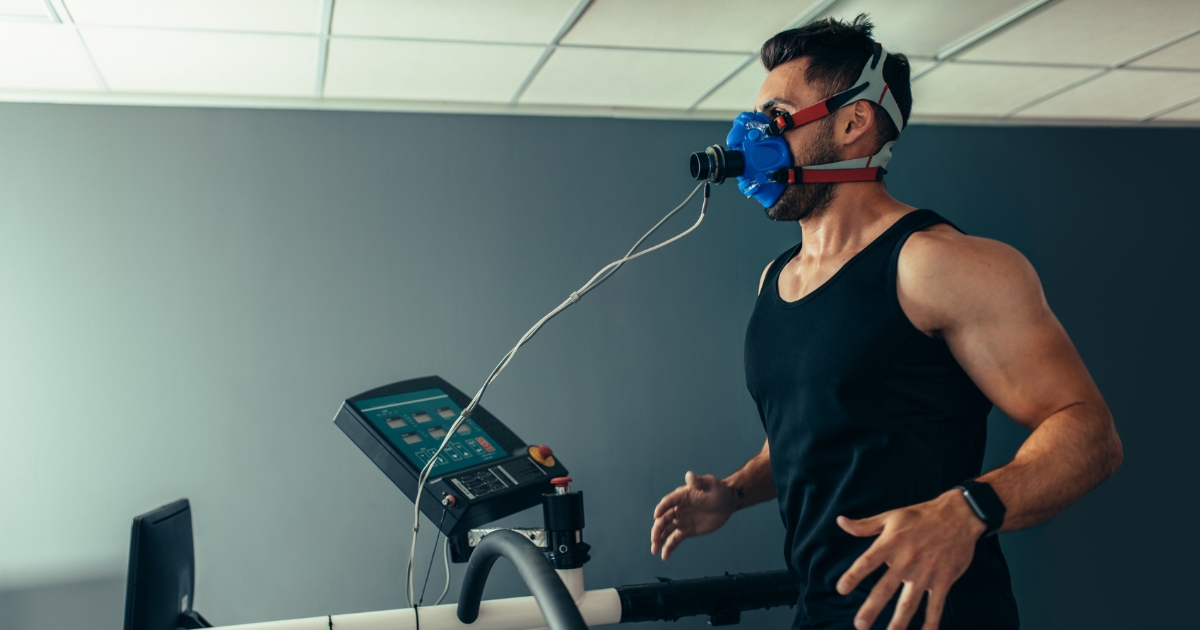
Clinical testing — CPET (Cardiopulmonary Exercise Test): The gold standard for accurate VO2 Max measurement. Testing is conducted in two ways:
- Treadmill running
- Stationary bike cycling
During the test, sensors are attached to your body and you wear a breathing mask to analyze oxygen intake. Exercise intensity gradually increases until you reach your maximum capacity. For cardiac patients, the treadmill test also monitors heart rhythm and function to design a safe exercise program.
How should I prepare for a CPET test?
- Sleep at least 8 hours before the test
- Avoid exercise for at least 12 hours beforehand
- Fast for at least 3 hours before the test
- Avoid smoking, alcohol, and caffeine for at least 3 hours beforehand
- Wear comfortable sportswear — shorts or fitted leggings; women are recommended to wear a sports bra; bring proper athletic shoes
- Continue regular medications unless your doctor advises otherwise (e.g. blood pressure or diabetes medication)
- A pre-test health assessment will be completed to evaluate readiness and safety

Who should consider a VO2 Max test?
- General public seeking to understand their fitness level
- Professional athletes and competitive sports players
- Runners and cyclists
- Fitness enthusiasts
- Patients at risk of or recovering from heart failure
- Those with respiratory or lung conditions
- Individuals with obesity or elevated BMI
What are the benefits of VO2 Max testing?
- Know your body’s true fitness ceiling and train within safe, effective limits
- Receive a personalized exercise or training program designed by specialists
- Reduce the risk of sports injuries through targeted, evidence-based training
- Get your results translated into heart rate zones — making it easy to set and track goals at home
- Identify whether training or competition issues stem from a physiological imbalance — and adjust your program accordingly
For more information, contact the Rehabilitation Center, Bangkok Hospital Pattaya.