

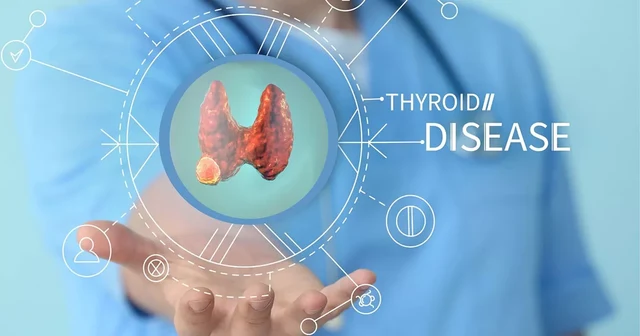
The thyroid gland is an endocrine gland in the body that produces thyroid hormones. These hormones play a crucial role in body growth, regulate body temperature, and help metabolize nutrients. If the thyroid gland malfunctions, it can affect various systems in the body.
There are two main categories of thyroid-related conditions:
Thyroid Syndrome due to Hormonal Imbalance:
When the thyroid gland produces “too much” hormone, it leads to hyperthyroidism. The Symptoms observed include trembling hands, palpitations, heat intolerance, irritability, excessive sweating, insomnia, and increased appetite with weight loss.
Nodules in the Thyroid Gland:
Surgery is often performed in cases where the thyroid hormone medication (Thyroxine) does not shrink the nodule, if the nodule compresses the airway causing breathing difficulties, if it presses on the esophagus, if there is suspicion of thyroid cancer, or for cosmetic reasons in the neck area.
Indications for Thyroidectomy (Thyroid Surgery):
- Fine needle aspiration biopsy results indicate thyroid cancer.
- Fine needle aspiration biopsy results show abnormal cell characteristics.
- Fine needle aspiration biopsy results indicate a benign tumor, but the nodule is large (2-4 centimeters or more), there are multiple nodules, or there are symptoms of compression on nearby organs such as the trachea or esophagus.
Thyroidectomy (Thyroid Surgery)
- Open Surgery:
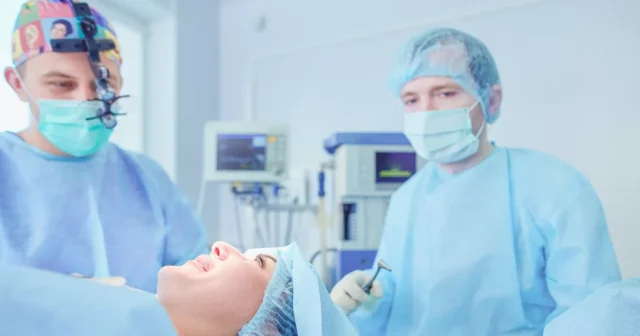
This involves making a horizontal incision in the neck to allow, for the complete removal of the thyroid gland and possible the excision of lymph nodes. . In some cases, a transverse scar may remain on the neck after surgery.
- Endoscopic Surgery:
Endoscopic thyroid surgery can be performed through various approaches, such as through the mouth or the armpit. The surgery uses a small, high-resolution camera, resulting in smaller incisions.
- Endoscopic Thyroidectomy via the Oral Approach:
This technique is globally recognized and involved making small incisions inside the lower lip.
Advantages of Endoscopic Thyroidectomy via the Oral Approach:
- No visible scars on the neck.
- Minimal bleeding, reducing complications.
- Less post-operative pain.
- Faster wound healing and shorter recovery time.
Limitations of Endoscopic Thyroidectomy via the Oral Approach:
The size of the nodule should not exceed 3-6 centimeters.