

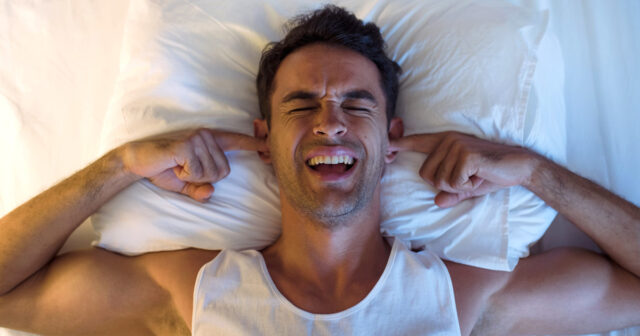
1. How Does Sleep Affect Your Ears?
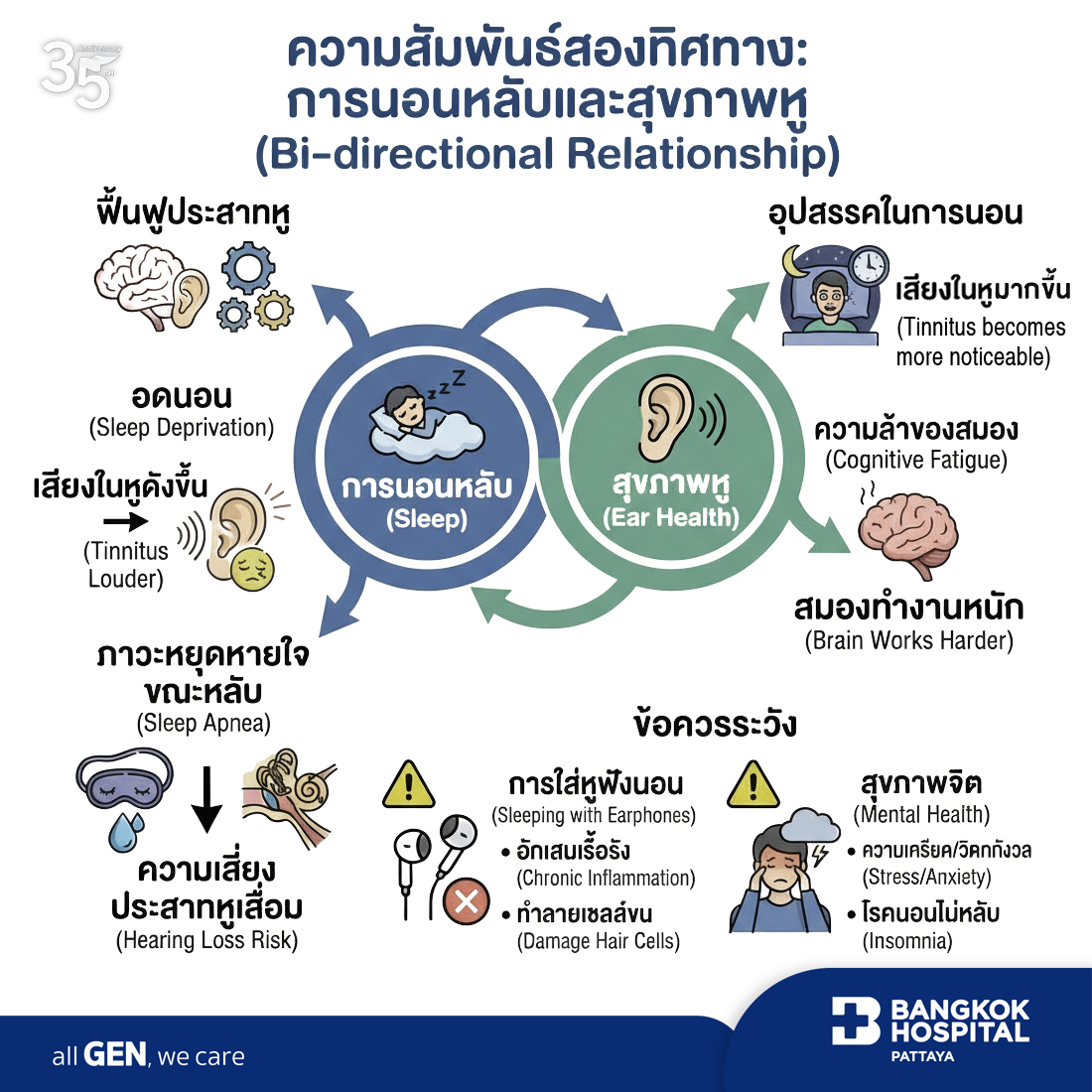
- Auditory nerve recovery — during sleep, the body repairs and restores itself, including the central nervous system responsible for processing sound.
- Tinnitus (ringing in the ears) — sleep deprivation makes the brain more sensitive to stimuli, causing those who already experience tinnitus to find the ringing louder and more disruptive.
- Risk of hearing loss — Sleep Apnea can reduce blood oxygen levels and decrease blood flow to the inner ear, which may be a long-term risk factor for sensorineural hearing loss.
2. How Does Ear Health Affect Your Sleep?
- Difficulty sleeping — tinnitus tends to become more noticeable in quiet nighttime environments, making it harder to fall asleep or causing people to wake in the night and struggle to fall back asleep.
- Brain fatigue — when hearing loss is present, the brain works harder throughout the day to process sounds, leading to accumulated cognitive fatigue that negatively impacts sleep quality.
Additional Things to Watch Out For
- Sleeping with earphones — wearing earphones while sleeping can cause chronic ear inflammation without you realizing it, and prolonged loud audio can damage the hair cells in the inner ear.
- Mental health — hearing problems often lead to stress and anxiety, which are significant contributing factors to insomnia.
Are you experiencing tinnitus or unusual sounds in your ears before bedtime?
Book an appointment for consultation and risk assessment: Hearing, Speech, Balance & Tinnitus Center, Bangkok Hospital Pattaya Tel. 0 3825 9964