
What is skin cancer?
Skin cancer is a malignant tumor that develops on the skin and mucous membranes due to abnormal growth and division of skin cells. The most common types are:
- Basal cell carcinoma – the least aggressive type, occurring in the superficial layers of the skin
- Squamous cell carcinoma – similar in appearance to basal cell carcinoma but spreads more quickly and grows deeper into the skin, often forming a hard lump beneath the surface
- Malignant melanoma – a cancer of the melanin-producing cells; less common but the most dangerous, as it can spread rapidly through the bloodstream
Skin cancer may grow slowly and remain localized, or it may spread to other organs such as the lymph nodes. It is most commonly found in people over 40 and occurs more frequently in men than women.
What causes skin cancer and who is at risk?
The primary cause is ultraviolet (UV) radiation from sunlight. Other contributing factors include:
- Working outdoors, playing outdoor sports, sunbathing, or prolonged sun exposure without protection or sunscreen
- Living in areas with intense sunlight or at high altitudes
- Having an unusually large number of moles
- Fair skin and blonde hair – less melanin means less natural protection against UV radiation
- A personal or family history of skin cancer
- A weakened immune system – such as HIV or immunosuppressant medication use
- Prolonged exposure to harmful radiation
- Exposure to chemicals such as arsenic or other toxic substances over an extended period
What symptoms should prompt a visit to the doctor?
See a doctor if you notice:
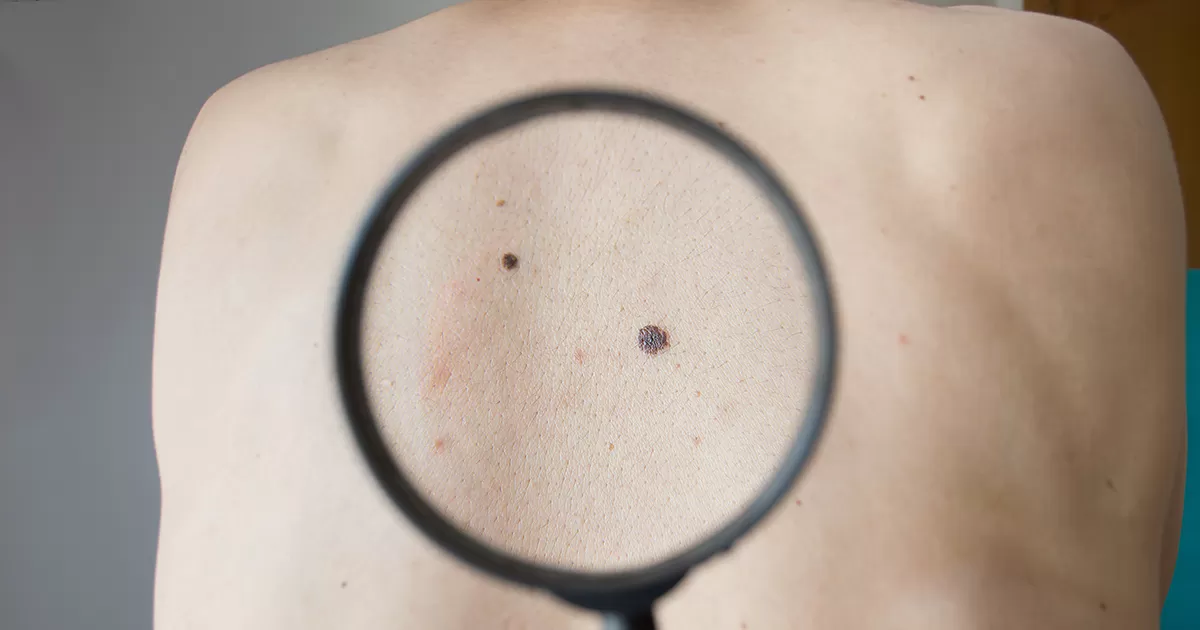
- A mole or lesion that is growing faster than normal, changing color, has irregular edges, breaks open, or bleeds
- A chronic wound that does not heal
- A persistent skin rash
Skin cancer appears on the surface of the skin and can be seen with the naked eye. It can develop anywhere on the body — most commonly on the arms, legs, hands, face, or areas with frequent sun exposure.
Symptoms by type:
- Basal cell carcinoma – a pink or red bump with a smooth, shiny surface and small visible blood vessels; may develop a crust or flaky texture; grows slowly but progressively, eventually breaking open and becoming a chronic wound
- Squamous cell carcinoma – begins as a pink or red bump with a scaly or crusty surface; feels hard to the touch, bleeds easily, and gradually enlarges into a chronic wound
- Melanoma – begins resembling a mole but grows quickly; has irregular borders, uneven coloring, and may crust or bleed
How is skin cancer diagnosed?
- Self-examination – observe your skin regularly for unusual bumps, chronic sores, or changes in existing moles, particularly in sun-exposed areas. Consult a doctor if anything looks suspicious
- Medical diagnosis – a doctor will examine the skin and, if cancer is suspected, perform a biopsy – removing a small tissue sample for pathological analysis, which is the most accurate diagnostic method
Some skin conditions may be classified as precancerous and require close monitoring due to their risk of developing into full skin cancer.
What warning signs suggest skin cancer?
- Scabbing lesions from repeated or prolonged sun exposure
- A firm, thickened raised bump with a red base
- A wound that does not heal within 4 weeks
- A new lesion that does not resolve within 4–6 weeks
- An unusually shaped, enlarged, or rapidly growing mole with irregular coloring
- Changes in an existing mole — asymmetry, irregular borders, uneven color, or a diameter larger than 6mm
- A lesion that is painful, itchy, breaks open, or oozes blood or fluid
How can skin cancer be prevented?
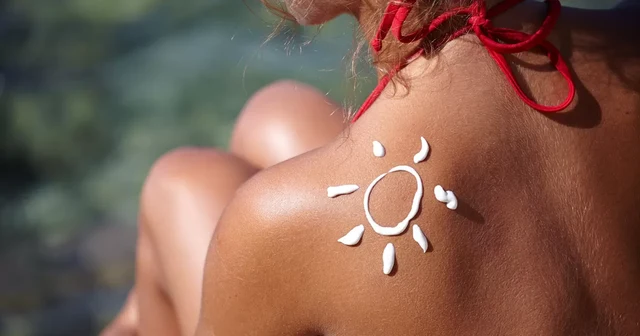
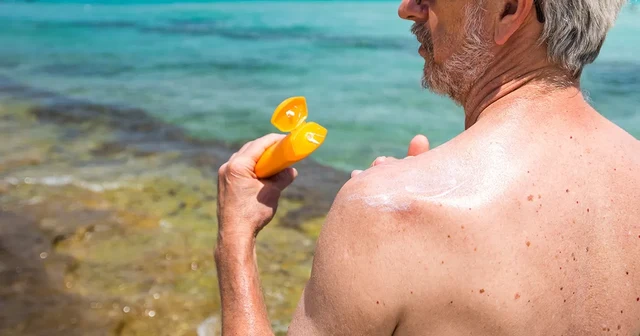
- Avoid prolonged sun exposure and always use sunscreen with SPF 15 or higher
- Avoid skin irritants and prolonged contact with harmful chemicals
How is skin cancer treated?
Treatment depends on the type and stage of cancer detected. Current treatment options include:
Curettage and electrodesiccation – suitable for small tumors; the cancerous tissue is scooped out with a specialized instrument and the surrounding tissue is treated with an electric current. This may need to be repeated 2–3 times to fully remove the cancer.
Cryotherapy (freezing) – most commonly used for early-stage skin cancer; liquid nitrogen is applied to freeze the cancerous skin, which then scabs over and falls off within approximately one month. A small white scar may remain.
Surgical excision – the standard approach; the cancerous tumor and surrounding tissue are surgically removed. If the excised area is large, a skin graft from another part of the body may be used to close the wound, promoting faster healing and minimizing scarring.
For early-stage skin cancer, surgery alone can achieve a complete cure. For advanced or spreading cancer – particularly melanoma – surgery may be followed by radiation therapy or chemotherapy.
For more information, contact the Dermatology and Plastic Surgery Center – Tel. 0 3825 9999