What Is Measles?
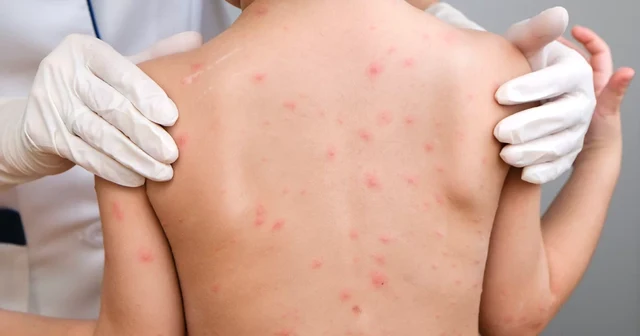
Measles is an extremely contagious disease caused by a virus from the paramyxovirus family. It is characterized by symptoms such as high fever, cough, runny nose, red eyes, and a distinctive red rash that typically starts on the face and spreads downward. Measles complications are some patients have Pneumonia, Encephalitis.
Despite the availability of effective vaccines, measles continues to affect populations around the world, particularly in areas with low vaccination coverage. Understanding how measles spreads is essential for preventing outbreaks and protecting vulnerable individuals.
How Measles Spreads: The Science Behind the Contagion
Primary Mode of Measles Transmission
The most common method of measles transmission is airborne spread. Unlike some viruses that require direct contact, measles can linger in the air for up to two hours after an infected person has left the area.
The virus travels in tiny respiratory droplets expelled when an infected person coughs, sneezes, or even breathes. These droplets become aerosolized, making it possible for someone to catch measles by simply walking into a room where an infected person recently was.
Measles Is an Airborne Virus
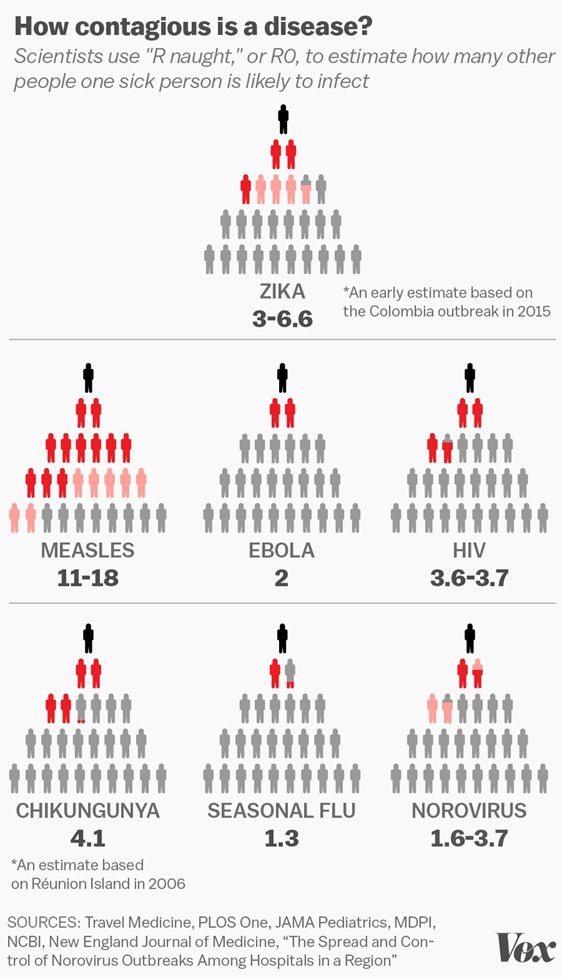
One of the most concerning features of measles is that it’s classified as an airborne virus. Unlike droplet-based infections, airborne viruses like measles can spread over greater distances and remain in the environment longer.
A person can become infected just by inhaling the virus particles suspended in the air—no physical contact necessary. This makes measles transmission incredibly efficient, especially in crowded spaces like schools, airports, and hospitals.
Incubation Period and Contagious Window
The incubation period of measles typically ranges from 7 to 14 days after exposure. Infected individuals are contagious from four days before the appearance of the rash until four days after.
What makes this especially dangerous is that a person may unknowingly spread the virus before showing any symptoms, which significantly contributes to the virus’s rapid spread.
Who Is Most at Risk?
Unvaccinated Individuals
The unvaccinated population is at the highest risk of contracting measles. Children under the age of one—who are too young to receive the vaccine—are especially vulnerable. Likewise, individuals with compromised immune systems or those with history of splenectomy are also at elevated risk.
In recent years, a drop in vaccination rates due to vaccine hesitancy has led to measles outbreaks even in countries where the disease was previously eliminated.
Travel and Global Spread
Due to globalization, measles transmission is no longer confined to any one region. Infected travelers can carry the virus across borders, introducing it into communities with low herd immunity.
This highlights the importance of vaccination, especially before international travel. Many health authorities recommend ensuring MMR (measles, mumps, rubella) vaccination at least two weeks before departure.
How to Prevent the Spread of Measles
Vaccination – The First Line of Defense
The most effective way to prevent measles transmission is through vaccination. The MMR vaccine provides around 97% protection after two doses.
When at least 95% of a community is vaccinated, herd immunity can protect those who cannot be vaccinated due to medical reasons. However, when vaccination rates fall, measles can rapidly spread through the unprotected population.
Isolation and Public Health Measures
When a case of measles is confirmed, public health authorities often recommend immediate isolation of the infected person to prevent further spread. Contact tracing, alerting exposed individuals, and temporarily closing schools or daycare centers may be necessary during an outbreak.
Importance of Early Detection
Early detection and diagnosis are crucial in controlling the spread of measles. Healthcare providers use clinical symptoms and lab tests to confirm the diagnosis. Once detected, patients are advised to stay home and avoid public spaces until they are no longer contagious.
How Measles Outbreaks Start and Spread
Outbreaks usually start when an unvaccinated individual is exposed to the virus—often during international travel. They bring it home, and it quickly spreads among other unvaccinated or under-vaccinated people.
Outbreaks can escalate rapidly, especially in tight-knit communities or populations where vaccine coverage is low. In such cases, hundreds or even thousands can become infected in just a few weeks.
Why Understanding How Measles Spreads Matters
By knowing how measles is transmitted, communities can take proactive steps to prevent outbreaks. Education, vaccination campaigns, and strong public health systems are vital tools in the fight against this preventable disease.
Final Thoughts
Measles remains one of the most highly contagious infectious diseases known to humans. Its ability to spread through airborne transmission, its long incubation period, and its potential to cause severe complications make it a public health priority.
The good news is that measles is entirely preventable. By ensuring high vaccination coverage, promoting public awareness, and taking swift action during outbreaks, we can stop measles transmission in its tracks.