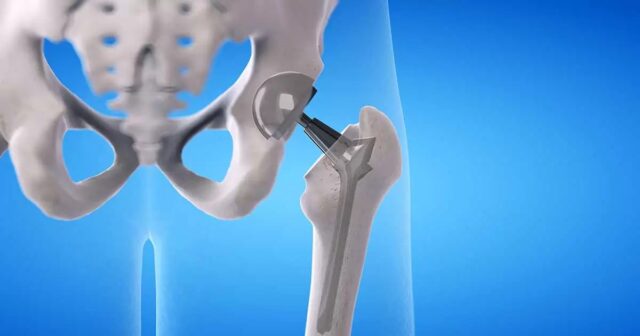



Have you ever felt a deep, dull pain around your groin area? Or noticed that your hip doesn’t move as smoothly as before? These could be early warning signs of hip osteoarthritis, a condition in which the hip joint surface gradually deteriorates due to various causes — such as avascular necrosis, congenital hip deformities, rheumatoid arthritis, or even previous injuries and infections that are often overlooked.
Warning Signs of Hip Osteoarthritis You Should Know
People with hip osteoarthritis often experience symptoms that significantly affect daily life, including:
- Pain around the hip joint, especially in the groin area, which may radiate down the leg or worsen with movement.
- Hip stiffness, making it difficult to move the joint fully or causing clicking or grinding sounds during motion.
- Pain or stiffness in certain sitting positions, such as difficulty sitting cross-legged or in a kneeling position.
- Difficulty standing up, especially from low chairs or sofas, often requiring extra effort or causing pain.
- Pain while standing or walking — at first after long walks, later progressing to pain with short walks or even while standing, sometimes causing a limp on the affected side.
- Uneven leg length, noticeable in advanced stages when the affected leg becomes shorter.
If you experience these symptoms, don’t ignore them! Consult an orthopedic specialist for an accurate diagnosis. The doctor will review your medical history, perform a physical examination, and may recommend X-rays to assess the severity of joint damage. In complex cases, MRI scans may be performed to evaluate surrounding soft tissue and identify deeper causes.
Treatment Options for Hip Osteoarthritis —from Self-Care to Hip Replacement Surgery
Treatment depends on the severity of the disease and how much it impacts your quality of life. Generally, there are two main approaches:
1. Non-Surgical Treatment
Suitable for patients with mild or early-stage symptoms. The goal is to relieve pain, slow joint degeneration, and maintain mobility. Recommended methods include:
- Resting the affected hip and avoiding activities that worsen pain
- Maintaining a healthy weight to reduce pressure on the hip joint
- Adjusting habits — avoiding heavy lifting, deep bending postures (e.g., kneeling or sitting cross-legged), and low seating
- Strengthening hip muscles through specific exercises to improve stability
- Taking prescribed pain or anti-inflammatory medications
- Undergoing physical therapy to improve flexibility and reduce pain
- In some cases, hip joint injections (steroid or lubricating agents) to temporarily relieve pain and inflammation
2. Surgical Treatment – Hip Replacement Surgery
Recommended when non-surgical treatment fails to relieve symptoms and pain becomes severe enough to interfere with normal daily activities. When X-ray or MRI results show significant hip joint damage, hip replacement surgery is the most effective treatment — replacing the worn joint surface with an artificial hip joint (prosthesis) to restore function and comfort.
A New Lease on Life with Hip Replacement Surgery at Bangkok Hospital Pattaya
Hip replacement surgery is a highly effective treatment for patients with severe hip osteoarthritis. It can significantly reduce or even eliminate pain, allowing patients to return to normal movement and daily activities with confidence.
Most patients today can walk with weight bearing within 12–24 hours after surgery. Our multidisciplinary care team — including orthopedic surgeons, nurses, physical therapists, and occupational therapists — provides personalized rehabilitation for smooth and successful recovery.