


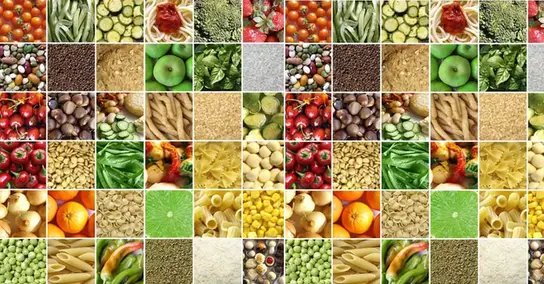
Improving health through food choices is the basis of nutrition recommendations for controlling blood glucose as well as preventing diabetes complications. The following are nutrition guidelines for persons with diabetes.
1. Eat a variety of foods from each of the five food groups and maintain proper weight:
A variety of foods with optimal amounts provides all nutrients we need. Consuming optimal amounts of foods from each of the five food groups (starchy foods, vegetables, fruits, meat and meat substitutes, and fat) at the regular meal time, which should be 4-5 hours apart, and do not skip meals.
Maintaining proper weight is also important. Research shows that persons with diabetes who are obese have 8 years shorter life-expectancy. Small amounts of weight loss (5-10% of body weight) can reduce insulin resistance, blood pressure, and help to correct dyslipidemia.
2. Eat adequate amount of starchy foods:
People with diabetes should be aware of types and amounts of starchy foods as it affects blood glucose control. Even though starchy foods such as bread, potato, and pasta, will convert into glucose, they are important source of energy. Therefore, people with diabetes should consume proper amounts of starchy foods, and whole grains types are better choices as they are sources of vitamins, minerals, and fiber. Six to eleven servings of starchy foods per day are recommended.
3. Eat plenty of vegetables and fruits regularly:
Vegetables and fruits are sources of vitamins, minerals, fiber, anti-oxidants, and phytochemicals. Fiber has benefits in delaying glucose absorption. Two and a half cups of vegetables are recommended as they contain lesser carbohydrates, whereas, three to five servings of fruits are recommended (1 serving equals 1 medium fruit or ½ cup fresh fruit or ½ cup fruit juice). Beware of dried fruits, canned fruits in heavy syrup as they have sugar content and may contain high sodium as well.
4. Eat fish, lean meat, eggs, legumes and pulses regularly:
They are sources of protein. To control cholesterol and reduce risk of heart disease, it is recommended to eat fish at least 3 times per week, eat lean meat, avoids high fat foods such as sausage, bacon, fatty meats and poultry. Six to twelve tablespoons of protein foods per day are suggested. Vegetable proteins are also source of fiber.
5. Drink sufficient amount of milk every day:
Milk and dairy products are sources of protein, calcium and phosphorous, which help strengthen teeth and bones. Whole milk contains saturated fat and cholesterol, which may affect blood cholesterol. Therefore people with diabetes are recommended to have low-fat or fat-free dairy product 1-2 servings per day (one serving equals to 1 cup of milk or yogurt). Avoid sweetened dairy products.
6. Eat a diet containing appropriate amounts of fat:
Fat is an essential part of your diet. It provides energy, absorbs certain nutrients and maintains your core body temperature. Fat can be classified into three major groups. They are mono-unsaturated fatty acids (MUFA), poly-unsaturated fatty acids (PUFA), and saturated fatty acids (SFA). Persons with diabetes should avoid foods that are high in SFA and cholesterol, which are found in animal fat, offal, coconut milk, deep-fried food, and ice-cream. Additionally, persons with diabetes should also avoid foods containing trans-fatty acids; hydrogenated-fatty acids, such as margarine, shortening, and baked goods as it may increase blood cholesterol. Moderate amounts of MUFA and PUFA are recommended. They are found in vegetable oil, fish, and nuts; such as peanut, almond, and cashew nut. To reduce the use of fat, foods should be cooked by boiling, stewing, broiling, grilling, baking, roasting, or stir-frying.
7. Avoid excessive intake of sweet and salty foods:
Sugar is broken into glucose and fructose in the body and can rapidly increase blood glucose. Hence, persons with diabetes should avoid foods containing sugar.
Desserts consist of sugar, starch, and fat; especially saturated fat. Persons with diabetes, who regularly consume desserts, may result in uncontrolled blood sugar and cholesterol.
Salty foods may increase blood pressure. Avoiding salty foods, such as smoked, processed, or cured meats and fish, cheeses, salted snacks, and canned foods as well as limiting the use of seasonings are recommended.
8. Avoid or reduce the consumption of alcoholic beverages:
Alcohol consumption can cause major health problems, including cirrhosis of the liver, raise blood pressure, brain damage, and various types of cancer. Persons with diabetes should check with their doctor to see if drinking alcohol is safe for them. If you choose to drink alcohol, only drink it occasionally and when your diabetes and blood sugar level are well-controlled. Do not drink more than two standard drinks of alcohol in a one-day period if you are a man, or one drink if you are a woman. (Example: one alcoholic drink = 120 ml glass of wine, 45 ml of liquor or 360 ml of beer). Avoid “sugary” mixed drinks or sweet wines and drink alcohol only with food to avoid hypoglycemia.