


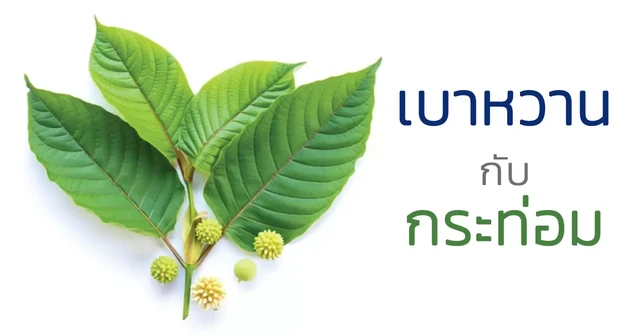
With the growing popularity of herbal remedies, many people with diabetes are turning to alternative treatments in hopes of better managing their blood sugar. Kratom — a plant native to Southeast Asia — has recently gained attention as a potential natural remedy for various health conditions, including diabetes. But how much of this is backed by science? Before incorporating any herbal supplement into your diabetes management, it’s important to understand what the evidence actually says — and what the risks may be.
Can Kratom Treat Diabetes?
- Kratom is an herbal plant containing active opioid compounds — the same class as Fentanyl, Morphine, Methadone, and Tramadol, primarily used for pain relief
- There is no medical evidence confirming that kratom is beneficial in treating diabetes in humans
- Small animal studies in rats suggest kratom may enhance cellular glucose uptake — but these findings remain at the animal testing level only
- No large-scale human studies have confirmed its effectiveness in diabetes treatment
Is Kratom Safe?
- Evidence shows kratom use can lead to liver failure, kidney failure, cardiac arrhythmia, seizures, and loss of consciousness
- At least 38 deaths linked to kratom have been reported in the United States through 2018
Is Kratom Approved for Medical Use?
- The U.S. FDA has not approved kratom for the treatment of any medical condition, including diabetes
- Thailand’s FDA has similarly not approved kratom for diabetes treatment