

What Is a Cataract?
A cataract is a condition where the eye’s lens becomes cloudy, preventing light from entering the eye normally — resulting in blurred or hazy vision.
What Causes Cataracts?
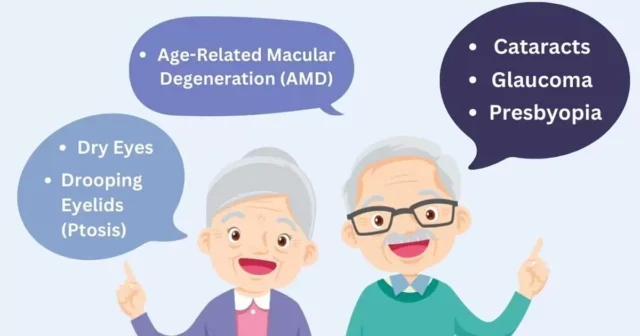
Cataracts develop when the proteins that make up the eye’s lens break down, causing the lens to cloud over or the nucleus to harden. This is commonly associated with aging and is most often found in people aged 50 and above. In some cases, it can be present from birth if the mother contracted rubella during pregnancy.
What Are the Risk Factors?
- Exposure to ultraviolet (UV) radiation
- Underlying conditions such as diabetes, high blood pressure, or obesity
- Smoking
- Heavy or prolonged alcohol consumption
- Long-term use of steroids or certain cholesterol-lowering medications
- Previous eye injury, surgery, or infection
- Family history of cataracts
What Are the Symptoms?
- Blurry vision, as if looking through fog
- Double vision
- Glare or light scattering when driving at night
- Frequent changes in glasses prescription — though as cataracts worsen, new glasses no longer help
- A visible white clouding over the pupil
How Are Cataracts Treated?
- In the early stages, updated glasses or eye drops may help improve vision
- Phacoemulsification — ultrasound-based cataract removal
- Intraocular lens (IOL) implantation
How Can You Prevent Cataracts?
- Wear sunglasses to protect against UV radiation
- Rest your eyes regularly during prolonged screen or reading time
- Eat a nutritious diet rich in Vitamins A, E, and C to support eye health
- Get adequate sleep and rest
- Have your eyes checked annually, especially if you are 40 or older
Source: Bangkokhealth.com