


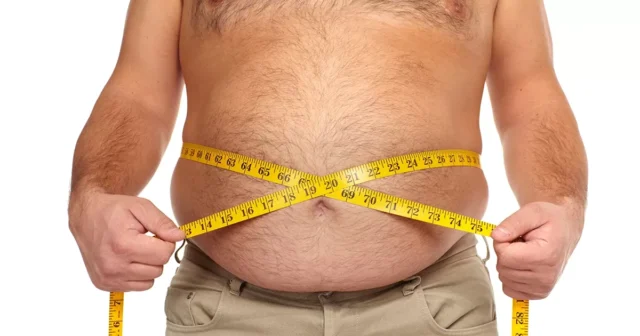
When Is A Person Considered Overweight?
You can calculate this easily using your Body Mass Index (BMI).
BMI = Weight (kg) ÷ Height (m)²
For Thai and Asian populations:
- BMI over 23 = overweight
- BMI over 25 = obese
For Western and other ethnicities:
- BMI over 25 = overweight
- BMI over 30 = obese
How Can You Lose or Control Your Weight on Your Own?
The core principle of weight loss is simple: calories consumed (intake) must be less than calories burned (output).
The first method is reducing calorie intake through diet — limiting daily consumption to approximately 1,200–1,500 calories per day, compared to the typical 1,800–2,000 calories. Whether you follow a low-carb diet, low-fat diet, vegetarian diet, keto diet, Atkins diet, or intermittent fasting (IF), as long as the total calorie reduction is the same, the weight loss result will be equivalent.
The second method is increasing calorie output through physical activity — such as walking, running, cycling, swimming, or simply moving more throughout your daily routine.
The key is consistency. Reducing intake and increasing output must be maintained continuously — not just for a short period. Returning to old eating habits or stopping exercise will cause weight to return, often to the same level or higher than before.
What Medications Are Available for Weight Loss or Weight Control?
There are currently at least three approved medications that are effective and safe for weight loss: Orlistat, Phentermine, and Saxenda. Each has its own advantages, disadvantages, and limitations, and most require a doctor’s consultation and prescription — with the exception of Orlistat, which can be purchased over the counter at a pharmacy.
These medications must always be used alongside diet control and exercise — they cannot work alone. They help by increasing satiety hormones, reducing hunger, and easing discomfort during calorie restriction.
Is Weight Loss Surgery an Option, and Who Qualifies?
There are currently two main types of bariatric surgery: stomach reduction surgery (to reduce how much food can be eaten) and intestinal bypass surgery (to reduce nutrient absorption). Both approaches also stimulate the production of satiety hormones.
Surgery is considered only for patients who meet the following BMI thresholds:
- BMI over 40, or
- BMI over 35 with related conditions such as diabetes or high blood pressure, or
- BMI over 30 specifically for patients seeking surgical remission of diabetes
What Is the Most Important Factor in Long-Term Weight Management?
The most critical part of any weight loss journey is maintaining the results — preventing weight from returning. This requires lasting changes to eating habits and regular exercise until they become a natural part of daily life.
Think of weight loss like running a marathon, not a 100-meter sprint. Pushing too hard at the start only leads to burnout before reaching the finish line. Slow, steady, and sustained effort is what gets you there.