
Gallstones (Cholelithiasis)
Etiology
Gallstones arise from an imbalance in the composition of bile, resulting in the precipitation of its constituents and subsequent stone formation. These calculi may vary in size from microscopic particles to several centimeters in diameter.
This imbalance is typically associated with alterations in bile composition, such as increased cholesterol saturation or impaired gallbladder motility. Contributing factors include high dietary fat intake, obesity, certain hematologic disorders, advanced age, and the use of medications that influence bile metabolism.
Risk Factors
- Female sex
- Age greater than 40 years (although incidence in younger populations is increasing)
- Obesity or overweight status
- Diet high in cholesterol and low in dietary fiber
- Hematologic disorders (e.g., thalassemia)
- Rapid weight loss
- Pregnancy
- Use of certain medications or hormonal therapies
Clinical Presentation
Approximately 70–80% of patients with gallstones remain asymptomatic and are often diagnosed incidentally during abdominal imaging.
Symptomatic patients may present with:
- Dyspepsia, bloating, or postprandial discomfort, particularly following fatty meals
- Acute onset of right upper quadrant abdominal pain (biliary colic), which may radiate to the back, right scapula, or shoulder
- Fever with chills, suggestive of acute cholecystitis or ascending cholangitis
- Jaundice, indicating possible biliary obstruction
- In severe cases, complications such as acute pancreatitis secondary to obstruction of the pancreatic duct
Diagnosis
Diagnosis is based on clinical presentation, physical examination, and imaging studies:
- Ultrasonography of the upper abdomen: First-line investigation with high sensitivity and specificity (>90%)
- Computed Tomography (CT) or Magnetic Resonance Imaging (MRI): Indicated in cases with suspected bile duct stones, pancreatic involvement, or complications
Management
Asymptomatic Gallstones
No surgical intervention is indicated. Patients should be managed conservatively with lifestyle modification and periodic follow-up.
Symptomatic Gallstones
Definitive management is surgical removal of the gallbladder (cholecystectomy), which can be performed via:
- Laparoscopic cholecystectomy (preferred approach due to minimal invasiveness and faster recovery)
- Open cholecystectomy (reserved for complicated cases)
Patients undergoing laparoscopic procedures typically require a short hospital stay (2–3 days) and can resume normal activities within approximately one week.
Choledocholithiasis (Bile Duct Stones)
Management involves endoscopic removal of stones via Endoscopic Retrograde Cholangiopancreatography (ERCP), followed by elective cholecystectomy.
Medical Therapy
Pharmacological dissolution of gallstones is generally not recommended due to limited efficacy and high recurrence rates, except in selected cases for prophylactic purposes.
Prevention
- Avoid high-fat, fried, processed, and high-sugar foods, as well as alcohol
- Maintain a healthy body weight and avoid rapid weight loss
- Engage in regular physical activity
- Monitor blood glucose and lipid profiles regularly
- Manage comorbid conditions such as hyperlipidemia, diabetes mellitus, and obesity
- Use hormonal and lipid-lowering medications under medical supervision
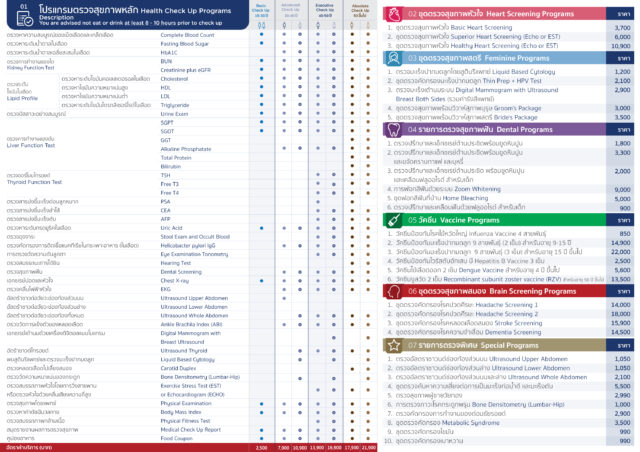
- Undergo routine health check-ups, including abdominal ultrasonography as indicated
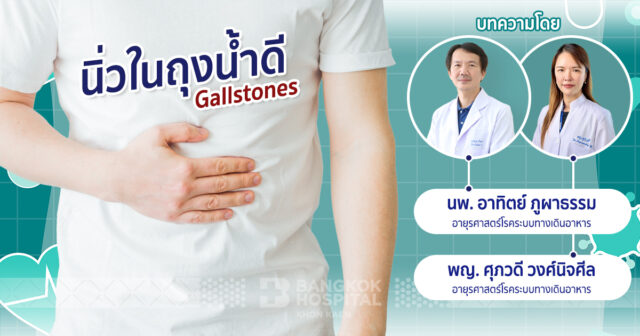
Authors
Dr. Arthit Phupatham
Gastroenterology
Dr. Suphawadee Wongnitsil
Gastroenterology