.jpg)


Nasal congestion, runny or thick mucus, or pressure and pain around the face may not be just a common cold. These symptoms can indicate sinusitis. If left untreated, sinusitis may become chronic, affecting breathing, sleep, and overall quality of life.
In this article, Dr. Jutarat Chantaroje (Medical License: 52823), our otolaryngologist (ear, nose, and throat specialist) at Bangkok Hospital Hua Hin, explains sinusitis in a clear, easy-to-understand way—from causes and symptoms to diagnosis and treatment options.

What Are Sinuses, and Why Do We Have Them?
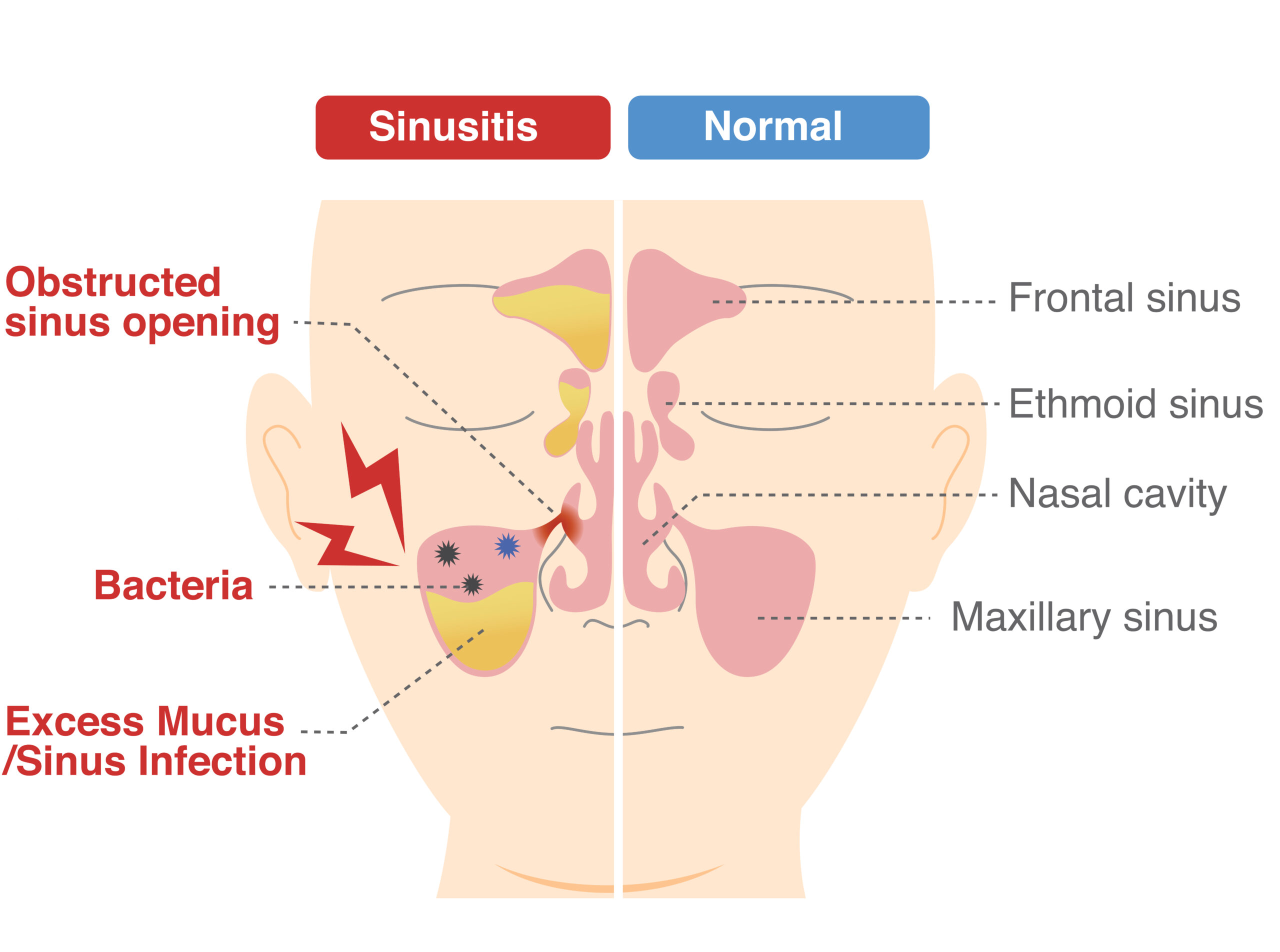
Sinuses are air-filled spaces within the bones of the face and skull, surrounding the nose, forehead, cheeks, and eyes. Small openings (ostia) connect the sinuses to the nasal cavity, allowing air and mucus to drain.
Sinuses play several vital roles:
- Warming and humidifying the air we breathe
- Filtering dust and germs before air reaches the lungs
- Reducing the weight of the skull
- Helping create resonance in our voice
What Is Sinusitis?
Sinusitis occurs when the lining of the nose and sinuses becomes inflamed or infected. This causes swelling and blocks normal mucus drainage, resulting in symptoms such as nasal congestion, thick mucus, facial pressure, and difficulty breathing.
Sinusitis often develops after:
- A common cold
- Allergic rhinitis
- Irritation from dust, smoke, or air pollution
In some cases, sinusitis may result from nearby infections, such as a deep tooth infection near the sinus, or from a foreign object in a child’s nose.
Common Symptoms of Sinusitis
Main symptoms include:
- Stuffy or blocked nose
- Thick nasal discharge, either flowing out of the nose or dripping down the throat (post-nasal drip), may sometimes turn yellowish or greenish in color.
- Facial pain or pressure around the forehead, cheeks, or eyes
- Reduced sense of smell
Other symptoms may include:
- Headache or a heavy feeling in the head
- Chronic cough, especially at night
- Discomfort in the upper teeth
- Low-grade fever or fatigue
- Bad breath caused by infected mucus draining into the throat
If you have at least two main symptoms, especially thick mucus and nasal congestion lasting more than 10 days, or symptoms that worsen after 5 days, sinusitis is likely and medical evaluation is recommended.

Types of Sinusitis
The duration of symptoms classifies sinusitis:
- Acute sinusitis: lasts less than 4 weeks, often following a viral infection, but can also be caused by a bacterial infection
- Subacute sinusitis: lasts 4–12 weeks, longer than a typical infection but not yet chronic
- Chronic sinusitis: lasts at least 12 weeks and may persist despite treatment
- Recurrent sinusitis: occurs several times a year, with symptoms clearing between episodes
How Is Sinusitis Diagnosed?
Doctors diagnose sinusitis using a combination of:
- Medical history and physical examination, focusing on symptoms and their duration
- Nasal endoscopy, using a small camera to view the nasal passages and sinus openings clearly
- CT scan, in selected cases with severe symptoms, suspected polyps, tumors, complications, or for surgical planning
- Culture testing, in patients who do not respond to medication, to identify resistant bacteria and guide antibiotic treatment
Treatment Options for Sinusitis
The goals of treatment are to reduce inflammation, eliminate infection, and improve sinus drainage.
- Medication and self-care
- Saline nasal rinses to clear mucus and debris
- Steroid nasal sprays to reduce inflammation
- Pain relievers for facial or head pain
- Antihistamines for patients with allergies
- Antibiotics are used when a bacterial infection is present
- Avoiding allergens, smoke, pollution, and smoking
- Surgery (when necessary)
If symptoms do not improve after 6–12 weeks of proper medical treatment, or if there are structural problems, nasal polyps, severe allergic reactions, or complications, endoscopic sinus surgery may be recommended.
Why Can Surgery Help?
Sinuses drain through small openings into the nose. When these openings are blocked, mucus can build up, and bacteria can grow. Surgery helps by widening the drainage pathways and removing blockages such as inflamed tissue or polyps, allowing better airflow, mucus drainage, and medication delivery to deeper sinus areas.
Benefits of endoscopic sinus surgery
✓ No external facial scars
✓ Clear view of internal structures, reducing damage to nearby tissue
✓ Treats the root cause of chronic inflammation
✓ Less pain, minimal bleeding, faster recovery compared to traditional surgery
Dr. Jutarat emphasizes that “sinusitis is a common condition that can significantly affect daily life. Persistent nasal congestion, thick mucus, or facial pain should not be ignored. Early diagnosis and appropriate treatment by an ENT specialist can reduce the risk of chronic sinusitis. When medication is ineffective, endoscopic sinus surgery is a safe and effective option that can improve sinus drainage, reduce inflammation, and greatly enhance quality of life.”
**********************************
For more information and booking an appointment, please contact :
Tel. 032-616-800 Call Center, Bangkok Hospital Hua Hin
Tel. 032-616-880 Out-Patient Department (7.00 – 19.00 hrs.)
News & Promotion >> Line ID : @bangkokhuahin