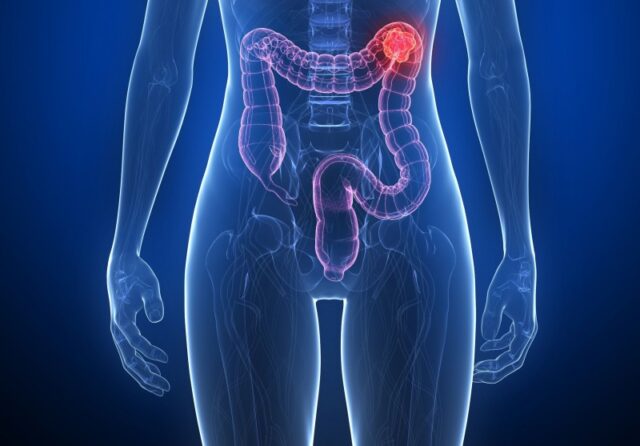

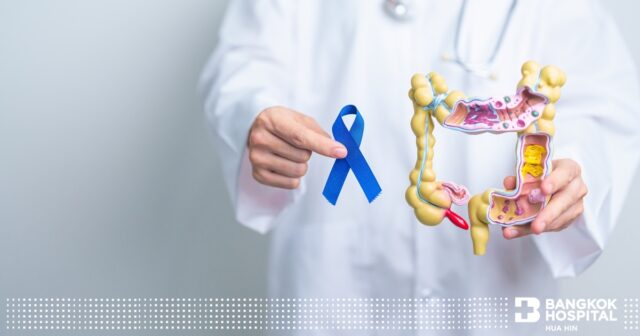
Colorectal cancer is one of the most common cancers in Thailand and worldwide, and its incidence continues to rise. This increase is largely linked to lifestyles, including unhealthy eating habits, metabolic-related conditions, and advancing age.
Dr. Wit Jeamwijitkul (Medical License: 50806), our gastroenterologist at Bangkok Hospital Hua Hin, explains that colorectal cancer is one of the few cancers that can be prevented and treated even before cancer develops. When detected early, the chances of successful treatment and complete recovery are very high. This article aims to provide readers with essential knowledge about how colorectal cancer develops, who is at risk, warning signs, screening options, and practical ways to prevent the disease.
How Does Colorectal Cancer Develop?
There are several types of colorectal cancer, but the most common type begins with small lumping growth inside your intestine called “polyp”. These polyps usually develop slowly over many years. Initially, they are benign, but some may gradually undergo abnormal cellular changes, known as “dysplasia”. As these changes progress to high-grade dysplasia, the polyps can eventually turn into cancer. As the tumor grows, it may spread to nearby organs or travel through the bloodstream to other parts of the body. Larger tumors can also cause noticeable symptoms such as alternating constipation and diarrhea, chronic diarrhea, abdominal pain, or even intestinal blockage.
Risk Factors for Colorectal Cancer
Abnormal growth of intestinal cells can occur for several reasons. Key factors include genetic abnormalities, chronic inflammation of the intestine, and environmental influences such as a high-fat diet, frequent consumption of red or processed meat, and low fiber intake. Metabolic-related conditions, such as obesity and insulin resistance, also increase the risk.
Risk factors for colorectal cancer can be divided into two main groups.
- Non-modifiable risk factors include being aged 45 and above, having a family history of colorectal cancer, inherited genetic conditions such as familial adenomatous polyposis (FAP) and Lynch syndrome, and chronic inflammatory bowel diseases (IBD).
- Modifiable risk factors include frequent consumption of red and processed meats, high-fat and low-fiber diets, smoking, alcohol consumption, being overweight or obese, lack of physical activity, inadequate water intake, insufficient rest, and chronic stress.
Warning Signs to Watch For
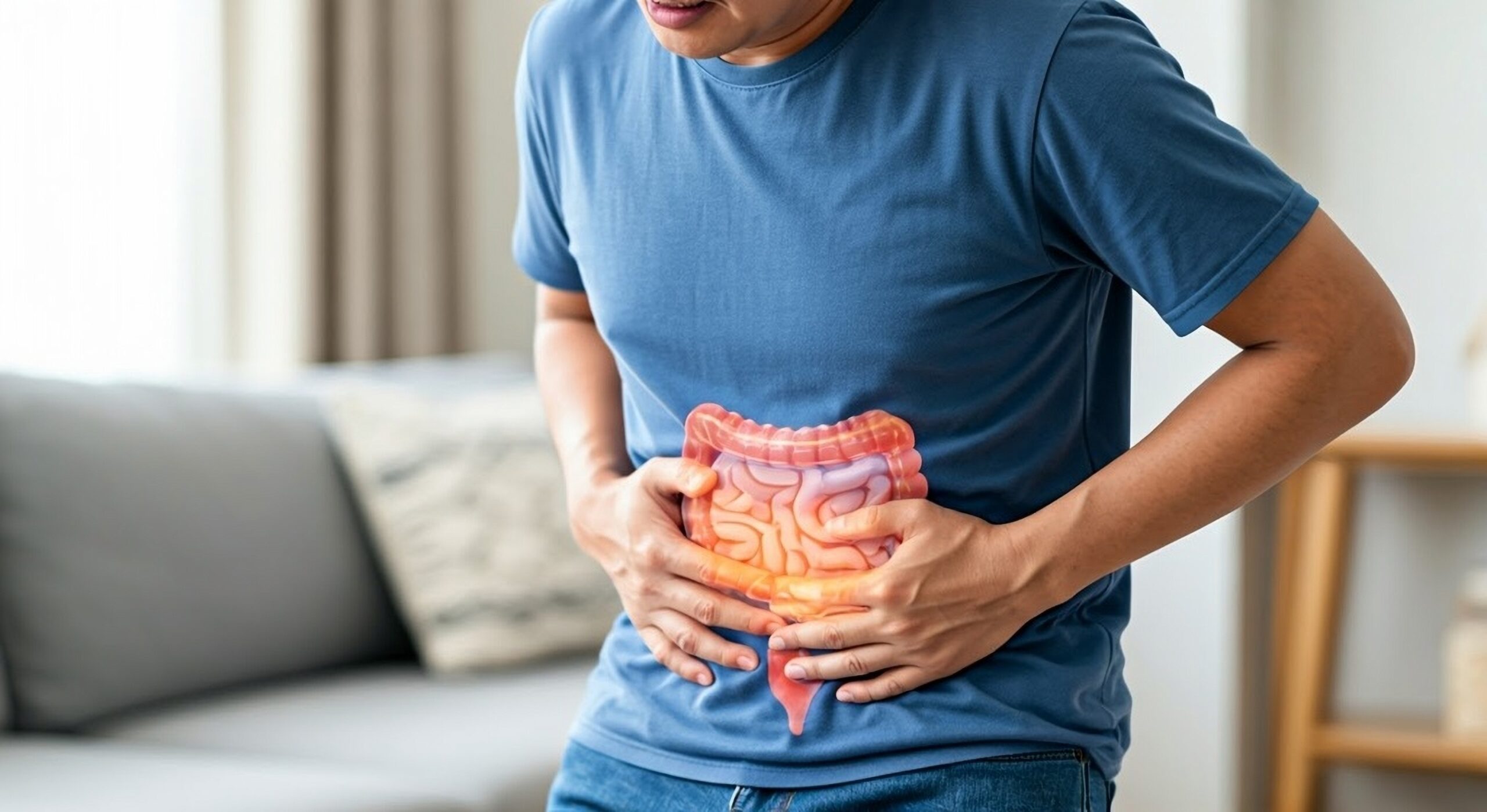
In its early stages, colorectal cancer often causes no symptoms. However, warning signs may include persistent diarrhea or constipation, alternating bowel habits, blood in the stool, unusually narrow stools, unexplained weight loss, chronic abdominal pain or bloating, fatigue, anemia caused by long-term blood loss, or a noticeable lump in the abdomen. Anyone experiencing these symptoms should seek medical advice promptly.
Screening: The Key to Prevention
Colorectal cancer is one of the few cancers that can truly be prevented through regular screening. Early detection greatly increases the chance of successful treatment. For people at average risk, screening is generally recommended from the age of 45 to 50, depending on national guidelines. Those with a family history of colorectal cancer or a history of intestinal polyps should begin screening earlier.
Three commonly used screening methods include:
- Fecal Immunochemical Test (FIT) – A simple and affordable test that detects hidden blood in the stool. It should be done annually. If results are abnormal, further examination with colonoscopy is required.
- Colonoscopy – The gold standard for colorectal cancer screening. This procedure allows doctors to examine the entire colon and remove polyps during the same procedure. If results are normal, screening may be repeated every 5 to 10 years.
- CT Colonography – An alternative option for individuals who are not suitable for colonoscopy. However, if abnormalities such as polyps are detected, a colonoscopy is still required for treatment.

“Colorectal cancer can be prevented before it develops,” Dr. Wit emphasizes. “By adopting healthier lifestyles—such as eating a balanced diet, exercising regularly, maintaining a healthy weight, and avoiding smoking and alcohol—we can significantly reduce the risk. Even for risk factors that cannot be changed, such as age or genetics, regular screening and early removal of polyps remain the most effective way to prevent colorectal cancer.”
**********************************
For more information and booking an appointment, please contact :
Tel. 032-616-800 Call Center, Bangkok Hospital Hua Hin
Tel. 032-616-880 Out-Patient Department (7.00 – 19.00 hrs.)
News & Promotion >> Line ID : @bangkokhuahin




![Gastroscopy and Colonoscopy Package [Prices start at THB 17,000]](https://static.bangkokhospital.com/uploads/2026/06/GASTROSCOPY-and-Colonoscopy-1200px_0-87-90-scaled-card_optimized.webp)