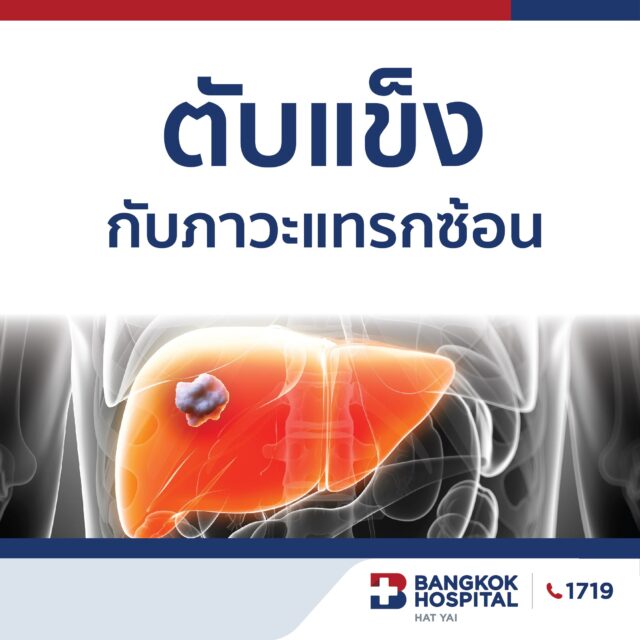

It is well known that the “liver” is an organ with many important functions, including the production of protein substances – immune substances in the blood, the production of substances that assist in blood clotting, the elimination of toxins, and even the removal of pathogens contaminated in the digestive system from the body.
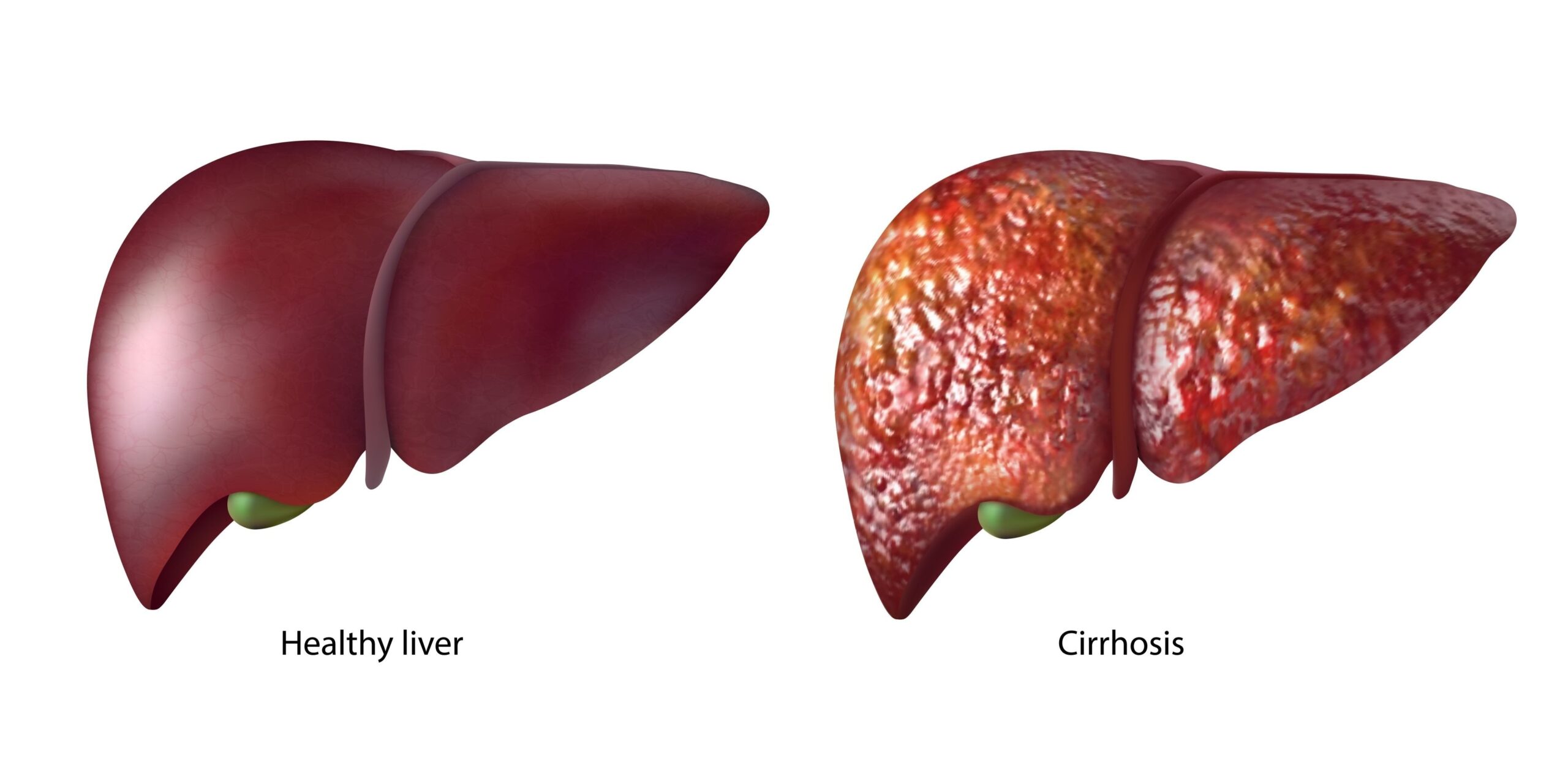
Liver cirrhosis affects the body due to two main reasons:
1. Decreased liver function
2. High blood pressure in the liver (due to a large amount of fibrosis pressing on the capillaries in the liver)
Common complications include:
1. Esophageal varices
Caused by liver fibrosis, pulling and causing increased blood pressure in the liver and esophagus, leading to varicose veins in the esophagus. If varicose veins in the esophagus rupture, the patient vomits blood, which may lead to shock and death.
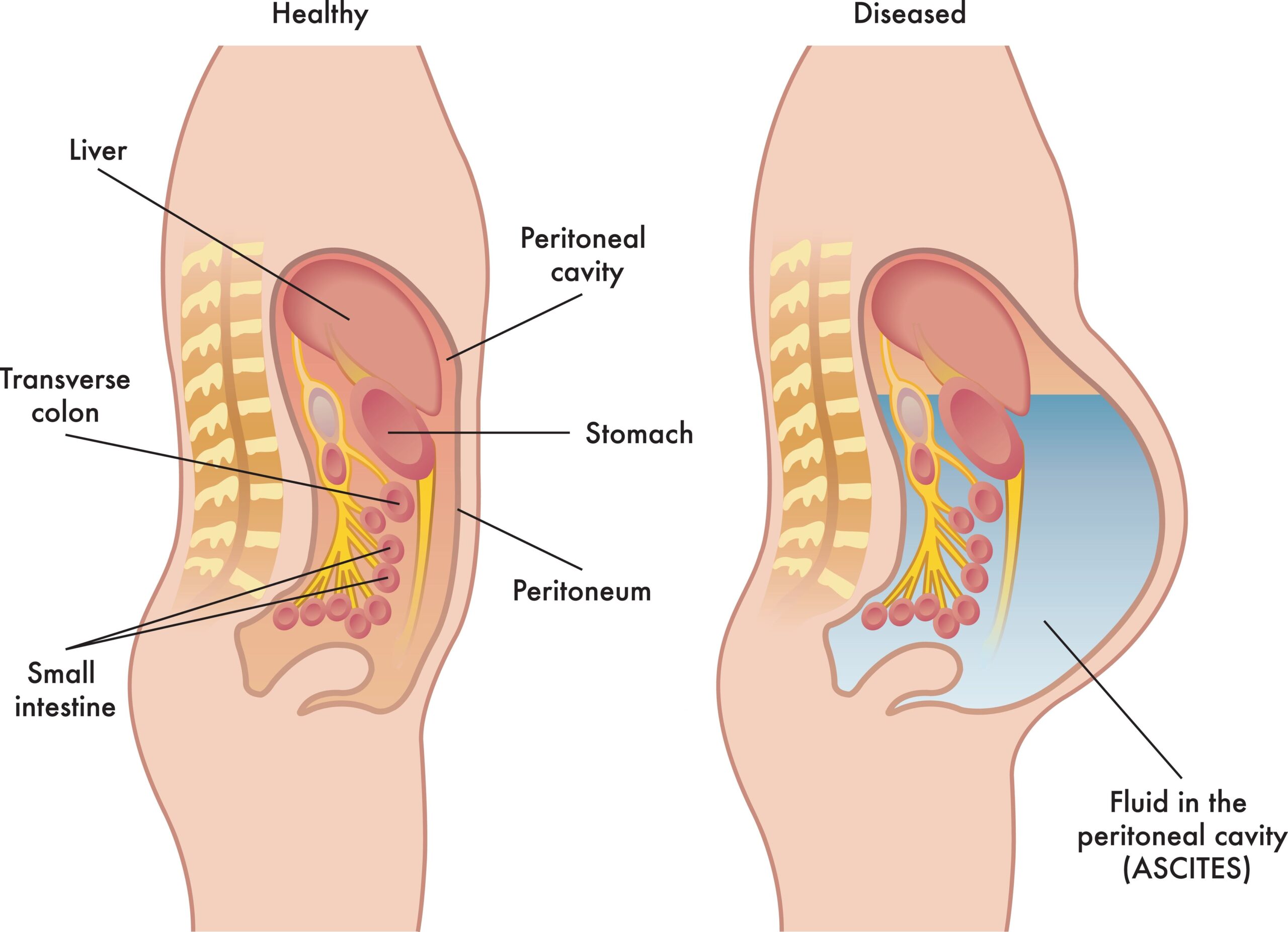
2. Ascites
A condition where there is an excessive amount of fluid in the abdominal cavity, caused by increased blood pressure in the liver blood vessels, leading to fluid leakage from the liver. Coupled with the condition where cirrhosis patients often have lower levels of albumin protein (this type of protein helps retain fluid in the blood vessels), it results in the accumulation of fluid volume in the abdominal cavity. Patients will experience bloating, swollen legs, and a protruding belly button. This condition can be treated with diuretics. Additionally, such patients may develop abdominal infections due to reduced immunity, resulting in fever, abdominal pain, or diarrhea. Doctors diagnose by extracting abdominal fluid for examination and giving antibiotic treatment.
3. Hepatorenal syndrome (Kidney failure from liver cirrhosis)
Caused by liver degeneration, resulting in abnormal nitric oxide and hormonal systems that control the contraction of the arteries, leading to decreased blood flow to the kidneys and resulting in kidney failure, although the kidney tissue pathology remains normal.
4. Hepatic encephalopathy in cirrhosis patients
Caused by reduced liver ability to eliminate toxins, along with abnormal changes in liver blood circulation, which causes some waste products (especially ammonia) to bypass liver filtration, mixing with the bloodstream and affecting brain function. Patients show symptoms such as daytime drowsiness, trembling hands, confused speech, decreased consciousness, or even coma. Factors that trigger this condition include infections and constipation.
5. Abnormal bleeding
The liver is an organ that produces proteins related to blood clotting. In cirrhosis, there is a decrease in these proteins, along with low platelet count due to enlarged spleen, causing cirrhosis patients to bleed more easily than usual.
![shutterstock_1348213649 [Converted]-01.jpg](https://static.bangkokhospital.com/uploads/2025/07/shutterstock_1348213649_Converted_01_d6d785ef15-scaled.jpg)