
Uterine Rupture: A silent emergency danger that pregnant mothers must watch out for
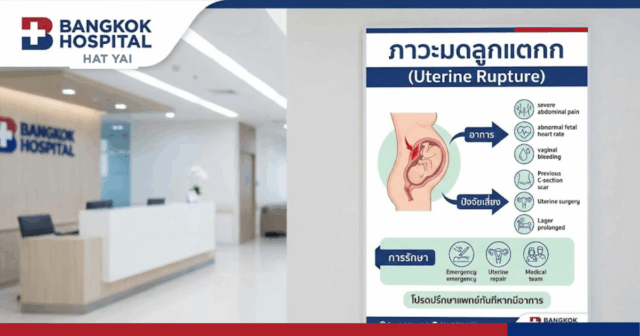
Uterine rupture is a critical obstetric condition that occurs when the uterine wall tears through all layers, causing the baby, placenta, or blood to spill out from the uterine cavity into the abdominal cavity.
🚨 Severity: This is considered the most urgent emergency because it is life-threatening to both the mother and the baby in the womb. Immediate assistance and surgery are required.
⚠️ 5 Warning Signs! What symptoms put you at risk of “uterine rupture”
If a mother has any of the following symptoms, notify a doctor or go to the hospital immediately:
-
Severe, abnormal abdominal pain: sudden onset pain, or pain that is different from normal labor pains.
-
Vaginal bleeding: a large amount of bleeding.
-
Abnormal uterus: abnormal uterine contractions, or contractions suddenly stop.
-
Signs of shock in the mother: abnormally rapid pulse, low blood pressure, dizziness, or loss of consciousness.
-
Worsening fetal vital signs: the baby’s heart rate slows, becomes abnormal, or no heartbeat is detected.
🔍 Key causes of uterine rupture
Most causes are due to weakness of the uterine wall or strong triggering factors such as:
-
Previous surgical scar: prior cesarean section or prior surgery on the uterus, creating a weak point at the old scar that can tear when the uterus expands.
-
Labor induction/augmentation drugs: excessive use of drugs to induce labor or stimulate uterine contractions.
-
Difficult labor: a large baby, obstructed delivery, or labor taking longer than usual.
-
Accident: severe impact to the uterus.
-
Thin uterine wall: from uterine curettage, fibroid surgery, or congenital abnormalities.
🎯 Who are the high-risk groups?
-
✅ Those who have previously had a “cesarean section” (especially a vertical incision)
-
✅ Those attempting vaginal birth after cesarean (VBAC)
-
✅ Those who receive labor induction or labor-stimulating drugs
-
✅ Mothers with multiple pregnancies (multipara) or an overly distended uterus (e.g., twins, excess amniotic fluid)
🏥 Treatment approach (a race against time)
Doctors must diagnose and treat as urgently as possible to save lives:
-
Immediate emergency cesarean section: to deliver the baby as quickly as possible.
-
Management of the uterus:
-
If the damage is not extensive: the doctor will repair the uterus with sutures.
-
If bleeding cannot be stopped/severe damage: hysterectomy is necessary to save the mother’s life.
-
-
Resuscitation: blood transfusion and IV fluids to prevent shock and maintain blood pressure.
💡 Recommendation: If any mother has a history of cesarean delivery or is in a risk group, she should attend regular antenatal care and inform the doctor of her history in detail in order to plan the safest delivery possible.