


Based on the information regarding the Air Quality Index (AQI) and the amount of particulate matter (PM), there is a significant impact on the health of the general public. When humans inhale air pollution, the small toxic dust particles can reach deep into the alveoli, which are at the end of our respiratory system, causing irritation and inflammation. Due to their tiny size, invisible to the naked eye, some of these particles slip through the alveolar walls into the bloodstream, spreading throughout the body. This results in three immediate harmful effects:
- Exacerbation of respiratory system diseases, including rhinitis, allergies, asthma, and emphysema, resulting in increased respiratory illnesses among children and the elderly.
- Exacerbation of cardiovascular diseases and cerebrovascular diseases.
- Particularly, exacerbation of ischemic heart disease.
Moreover, in the long term, it may lead to a decline in lung function, potentially causing emphysema even without smoking and possibly increasing the risk of lung cancer.
Therefore, we need to prevent air pollution hazards by the following methods:
- Wear a standard N-95 mask which efficiently filters toxic smog, as standard paper masks can only filter large particles or larger toxic dust but cannot filter small toxic dust particles or PM 2.5.
- Avoid exercising or working outdoors. If necessary, wear an N-95 mask for protection.
- Use an air purifier at home. Indoor air quality measurements, with doors and windows closed, show that air quality remains hazardous, so an air purifier is recommended for better air quality.
- Keep doors and windows tightly closed. Avoid using fans to prevent the dispersal of dust.
- Participate in campaigns to stop burning. If you see trash, field, or forest burning, please notify the authorities to extinguish the fire.
- Observe the symptoms of those around you, especially the elderly, young children, pregnant women, or those with pre-existing respiratory or cardiovascular conditions. If anyone experiences symptoms such as shortness of breath, difficulty breathing, or chest pain, immediately take them to the nearest medical facility.
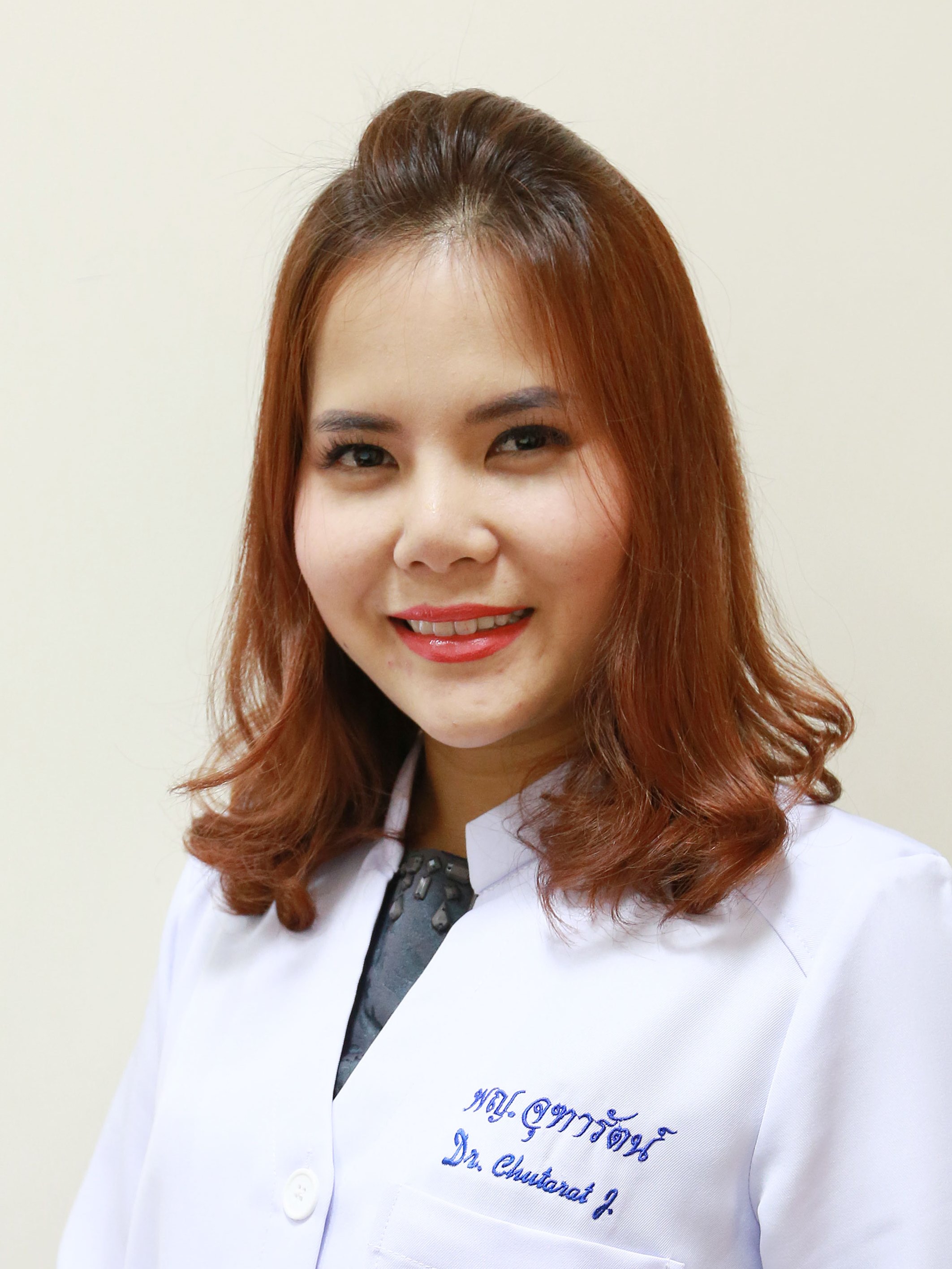
Compiled and edited by Dr. Jutarat Jino
Specialist in Preventive Medicine (Occupational Medicine)
License No. W. 39875
Bangkok Hospital Chiang Mai
052-089-817