

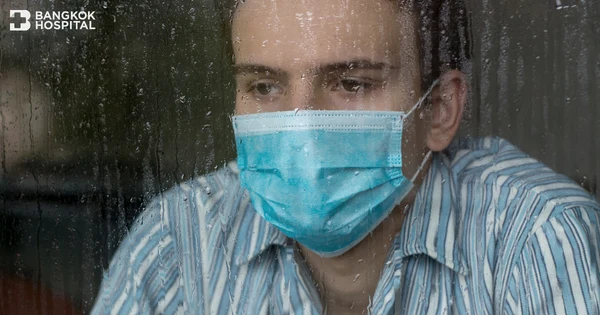
Overcoming fear and taking charge of your mental health during the COVID-19 crisis
Amidst the global crisis of COVID-19 pandemic, the novel coronavirus, in addition to its health-related impacts on a large number of populations across the world, has disrupted the lives of millions more. The restriction of social practice has widely generated limitations on day-to-day life, leading to national mental health crisis worldwide.
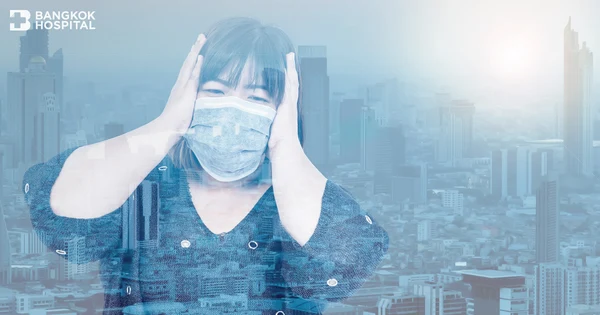
Diabetes and obesity found to increase COVID-19 severity
Learn how diabetes and obesity increase the risk of severe COVID-19 complications, and discover essential health tips to manage your blood sugar.

Pregnant women and COVID-19
Understand how COVID-19 affects pregnant women, why they face higher risks of respiratory complications, and practical health tips to stay safe.

Translated by AI
MIS TOTAL BODY Minimally Invasive Surgery, Small Incisions By Bangkok Hospital
Translated by AI
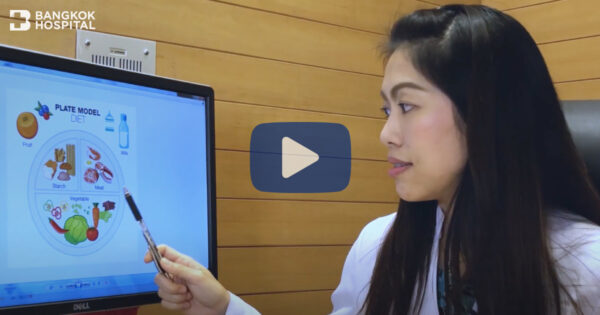
How to Eat to Get Your Body Back in Shape? By Bangkok Hospital

Translated by AI
Injuries in the World of Football: How Severe is a Hamstring Injury? By Bangkok Hospital

Translated by AI
Mrs. Nihan Sutthita underwent anterior cruciate ligament surgery at Bangkok Hospital.

Translated by AI
Update on the condition after ACL (anterior cruciate ligament) surgery of Kunsutita Panyayong By Bangkok Hospital

Translated by AI
Injuries in the World Cup: Dislocated Shoulder, How to Treat and How Long Does It Take? By Bangkok Hospital

Translated by AI
Adisak Kraisorn updates on condition after surgery to repair a torn ACL by Bangkok Hospital
Translated by AI
Expert's Live: How Do We Know When Being Overweight Becomes Dangerous? By Bangkok Hospital

Translated by AI