

MIS HEART | Minimally Invasive Heart Surgery
The heart is one of the most important organs in the entire human body. The common heart diseases are aortic aneurysm and valvular heart disease. These conditions are common in elderly and the incidence is rising in the middle aged population.

Translated by AI
What are the symptoms of cardiac arrhythmia? Check the causes and prevention methods
When talking about arrhythmia, many people may think it is something far from them, even though in reality this disease can occur at any age. The causes of the disease include both heart disease and coronary artery disease, and underlying conditions such as hyperthyroidism.
Translated by AI
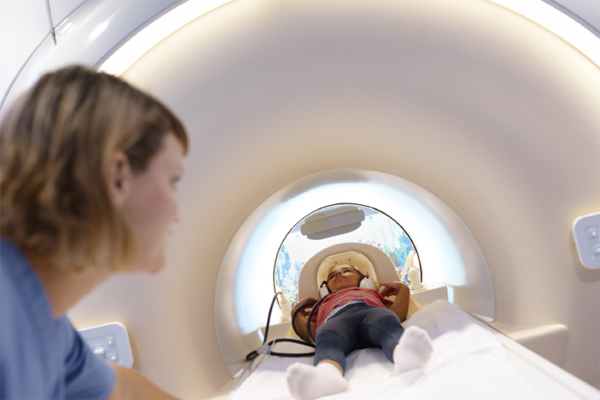
Examining heart tissue with 3 Tesla Magnetic Resonance Imaging (MRI)
Detection of heart tissue abnormalities with Magnetic Resonance Imaging (MRI) technology using a magnetic field strength of 3 Tesla (3.0 Tesla), combined with modern software, results in high-resolution MRI images. This enables quality diagnosis of tissue abnormalities, heart muscle, and blood vessels.

Magnetic Resonance Imaging (MRI) 3.0 Tesla
Magnetic resonance imaging (MRI) is a medical imaging technique used in radiology to form detailed pictures of the inside of your body. It is a non-invasive tool that uses strong magnetic fields, electric field gradients, and radio waves to generate images of the organs in the body. MRI does not involve X-rays and the use of ionizing radiation. The strength of the magnet of the system determines the quality of the imaging possible with the MRI system.
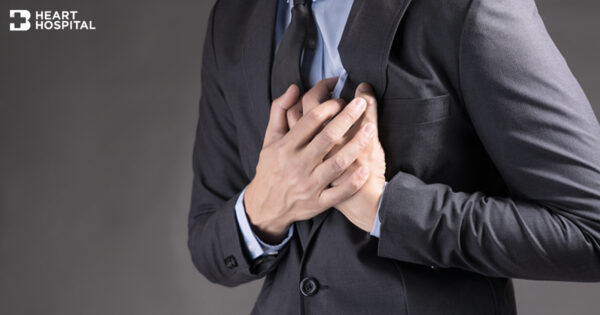
3 Types of Chest Pain – That Could Be Warning Signs of a Heart Attack
Chest pain appears in many forms, ranging from a sharp stab to a dull ache. Many different problems can cause chest pain. One of the most life-threatening causes is heart attack or myocardial infarction.
Doctor’s Advice: The Advantage of Off-Pump Coronary Artery Bypass Graft Surgery (Off-Pump CABG)
In the past, heart or cardiac surgery required heart-lung bypass machine to divert blood vessels from the heart. This process stops your heartbeat resulting in hypoxia and ischemia which affect the functioning of your lungs, kidneys and brain.
Transcatheter Aortic Valve Implantation (TAVI) Replacing An Aortic Valve Without Open Heart Surgery
Age related, or degenerative valvular heart disease, represents the most common etiology of aortic stenosis in the elderly population. It occurs when the heart's aortic valve narrows. This narrowing prevents the valve from opening fully, which reduces or blocks blood flow from your heart into the main artery to your body and onward to the rest of your body. When the blood flow through the aortic valve is reduced or blocked, your heart needs to work harder to pump blood to your body. Once severe obstruction has developed, death occurs within 3 years unless the aortic valve is replaced.
10 Tips to Help Reduce Your Risk of an Aortic Aneurysm This Valentine’s Day
With Valentine’s Day right around the corner, we have the perfect opportunity to show some love to our hearts so they can continue to take care of us in the years to come.

Coronary Artery Disease Knowing Your Risks and Warning Signs
Heart disease is one of the leading causes of death in Thailand. Coronary artery disease is one of the heart diseases resulting from the buildup of plaque in the coronary arteries that supply blood to the heart. Living a healthy lifestyle that incorporates good nutrition, weight management, and getting plenty of physical activities can play a big role in avoiding the disease. Also, knowing the risk factors and symptoms of coronary artery disease can help you detect the problem early

Rheumatic Heart Disease and Pregnancy
Understand the risks of rheumatic heart disease during pregnancy, including heart failure, and learn how specialized multidisciplinary care ensures safety.
Translated by AI
Acute ischemic heart disease: know the causes, warning signs, and safe treatment methods
If, while doing daily activities, you experience prolonged chest pain, tightness, shortness of breath, or chest pain when exercising or doing strenuous activities that you have never done before, with pain radiating to the shoulder, palpitations, and in some cases nausea, sweating, or abnormally forceful heartbeats, you should see a doctor immediately, because if medical care is not received in time, it may be life-threatening.

Planning Your Party without Harming Your Heart
Everyone is entitled to celebrate, party and enjoy and themselves. But how should you celebrate without harming your health? Here is what to dip, what to sip, and which food you should feel free to pile onto your plate at your next party.