


Translated by AI
Be Strong For Surgery: Reviving Life, Speedy Recovery with ERAS
ERAS: Enhanced Recovery After Surgery Program is specifically designed to care for patients throughout the treatment process, before, during, and after surgery, until they return home.

Nutrition Therapy After Gallbladder Surgery
The gallbladder is a pouch that stores bile, which helps digest fats in the food you eat. After the gallbladder is removed, bile will still flow through the bile duct directly into the small intestine to digest fat as usual, but it will be less concentrated. Therefore, it is necessary to take special care in what you eat for good health in the long run.
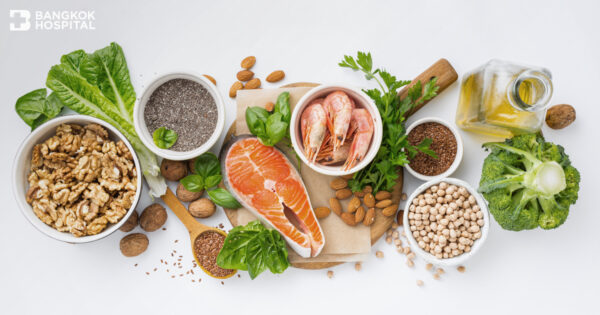
Nutrition Therapy after Hernia Surgery
Hernia, which affects both men and women, is a condition when a part of an organ or a bowel protrudes through a weakened spot in the abdominal wall. Timely surgical treatment is required and nutrition therapy will help the patient recover quicker afterwards.

Innovative LIFT surgery No more pains in the butt!
We may develop a variety of infections in various parts of our body in our lifetime. Infections can occur anywhere, even in private areas.

Health tips after gallbladder removal surgery (cholecystectomy) to treat gallstones
Surgical removal of the gallbladder is considered an extremely effective form of treatment for gallstones. In addition to an appropriate surgical procedure conducted by expert surgeon, postoperative care plays an essential role in a fast recovery and quick return to daily life while preserving patient’s quality of life in the long run.

Nutritional care prior to abdominal and rectal surgeries
Nutritional care plays an essential role in patients with abdominal and rectal diseases who need to undergo surgeries. The outcomes of major surgeries are directly associated with nutrition status prior to and after surgery.
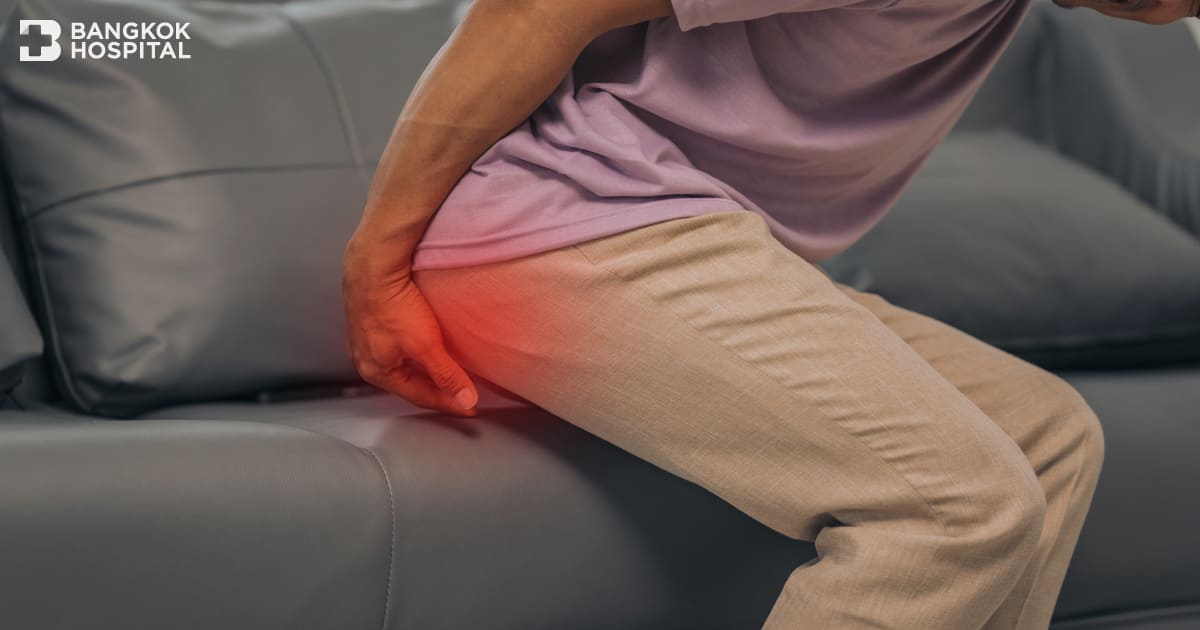
Anal Fissure – Little Wound, Major Pain
Painful bowel movement with some bleeding can bring tears to the point that some may not want to go to the bathroom. Some may find a palpable polyp that causes even more distress.

An anal fistula – An infected tunnel between the bowel and the skin near the anus.
An anal fistula is defined as an infected tunnel that develops between the skin and the muscular opening at the end of the anus.
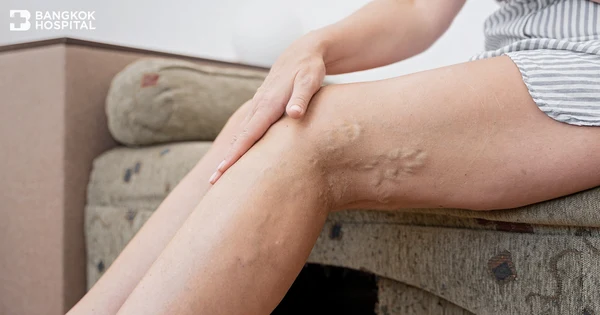
Chronic Venous Insufficiency (CVI), Get it treated right away before it becomes too late.
Learn about common venous diseases like varicose veins and deep vein thrombosis, including their symptoms, risk factors, and advanced treatment options.

Implanted Chemo Port - An implanted device allowing easy access to the veins for chemotherapy
Vascular access problems can usually develop in patients who need frequent administration of intravenous fluids or drugs and blood transfusion.

8 exercises to help prevent deep vein thrombosis (DVT)
Work from home has become a reality for a large number of people across the world due to the tremendous effects caused by the COVID-19 pandemic. Although avoiding the commute is a crucial tool in preventing COVID-19 amidst the crisis, the sedentary lifestyles during working from home or even a long travel journey pose significant risks on health and wellbeing, especially when it comes to venous problems.

Sports hernia – A debilitating health issue in athletes
A sports hernia or an athletic pubalgia has become one of the most common problems disrupting athletes or physically active people.