

Translated by AI
Treatment of Glaucoma
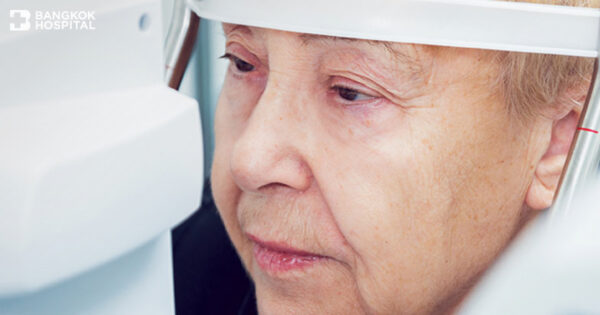
There are several ways to treat glaucoma, including medication, laser treatment, and surgery.

Translated by AI
4 Types of Cataracts That Require Immediate Treatment
Four types of glaucoma that need to be treated urgently include open-angle glaucoma, angle-closure glaucoma, congenital glaucoma, and secondary glaucoma.

Myths and Facts about Glaucoma

Translated by AI
Lazy eye
Lazy eye (Amblyopia) results from abnormalities in visual development in infants or during childhood. It occurs when the transmission of visual signals between the eye and the brain is not fully functional.
Translated by AI
Soft tissue tumor
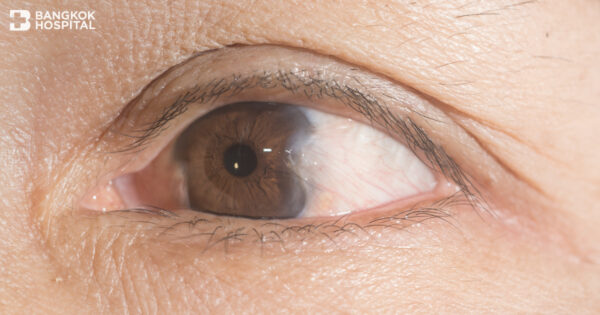
Pterygium is a condition where the conjunctival fibrosis turns into a red membrane that extends into the cornea, often found more at the head of the eye than the tail. Pterygium will gradually spread into the cornea until it slowly covers the pupil, which will obstruct vision, making it blurry.

Nasolacrimal Duct Obstruction in Adults
Learn about nasolacrimal duct obstruction in adults, including its symptoms like watery eyes, causes, diagnosis methods, and surgical treatments.

Translated by AI
Check for cataracts before realizing it's too late
Glaucoma is one of the serious eye problems that can lead to blindness and what many people may not know is that glaucoma does not have any warning signs, its cause is unknown, and even after treatment, vision cannot be fully restored to its original state. Therefore, during the World Glaucoma Week held in March every year, everyone is encouraged to be aware and understand glaucoma. Importantly, it is advisable to regularly check for glaucoma with a specialized ophthalmologist to be able to manage it promptly.
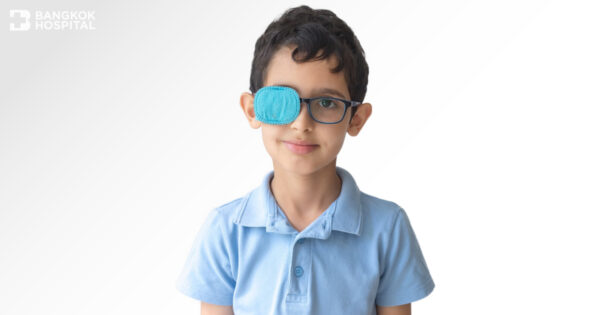
Lazy Eye Can Lead To Blindness If Untreated
Although you have probably heard of the term “lazy eye or amblyopia” before, a lot of parents do not know much about this condition. It is estimated that 3 to 5% of the general population suffers from this form of visual impairment.

Preparation before and after ICL surgery
Implantable Collamer Lens or ICL is an effective and safe option to treat wide range of eyesight conditions including short-sightedness (myopia), long-sightedness (hyperopia) and astigmatism.

Clouded vision might potentially indicate cataract.
A cataract is a dense, cloudy area that forms in the lens of the eye. Although it is age-related condition that gradually develops in the elderly over time, a cataract can be also found in people aged over 40. Contributing factors to cataracts in younger age group usually involve prolonged use of corticosteroid medications, previous eye injury or inflammation and excessive exposure to sunlight. Warning signs and symptoms are clouded, blurred or dim vision and increasing difficulty with vision at night. If left untreated, these symptoms progressively continue as cataracts grow larger, resulting in continual loss of vision. It eventually leads to legal blindness or even total blindness. Being aware of abnormal signs substantially helps to prevent cataracts and reduce disease severity. Having regular eye examinations can significantly detect cataracts and other eye problems at their earliest stages before diseases progress and complications develop.

Translated by AI
Dangers of Glaucoma: From Women to Women
Learn about the dangers of glaucoma through an informative video discussion tailored for women, highlighting key risks and prevention tips.