
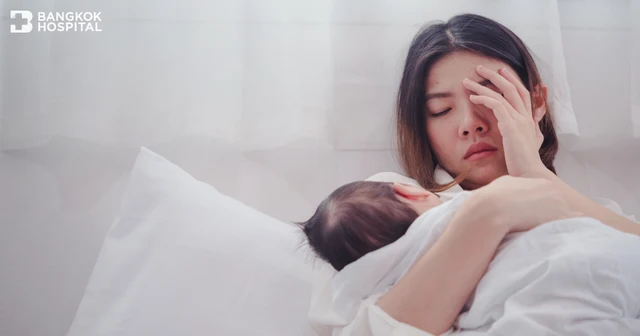

No mother wants to experience postpartum depression. Therefore, postpartum care for mothers is a matter that those close to them must pay attention to, understand, and help the mother not to feel lonely, be ready to listen to all problems, to ensure that postpartum mothers feel secure and have strong mental health. However, if a postpartum mother shows a tendency to harm herself, she should immediately see a doctor before it’s too late.
What is Postpartum Depression?
Postpartum Depression (Postpartum Depression) is a condition that can occur in the first few days up to several weeks after childbirth, depending on each mother. Emotions and mental state fluctuate negatively, including feelings of boredom, anxiety, insomnia, lack of appetite, and unwillingness to take care of the child. If symptoms do not improve, it may lead to severe postpartum depression, such as self-harm or harming the child. It is advisable to consult a doctor immediately for treatment alongside close family care.
What Causes Postpartum Depression?
Postpartum depression has various causes depending on each mother’s body, such as:
- Rapid decreases in hormone levels, such as estrogen, progesterone, and thyroid hormones, can lead to postpartum depression.
- Anxiety about raising a newborn, insufficient sleep can reduce daily life effectiveness and lead to low self-esteem.
- Family history of depression.
- Other factors affecting physical and mental health and lifestyle, such as breastfeeding issues, child-rearing problems, financial issues, relationship problems, etc.
What are the Symptoms of Postpartum Depression?
- Boredom, anxiety, panic.
- Mood swings, confusion, lack of concentration.
- Insomnia or excessive sleeping.
- Unwillingness to raise the child.
- Loss of appetite or overeating.
- Feelings of hopelessness, discouragement, worthlessness, frequent crying.
- Isolation from family members, close people, lack of social interaction.
- Inability to make decisions.
- In severe cases, thoughts of self-harm and harming the child.
Diagnosis of Postpartum Depression
Diagnosis of postpartum depression involves thorough assessment by a doctor, focusing on psychological symptoms and physical behavioral changes. Mental health tests are conducted to evaluate depression, anxiety, and various psychiatric disorders and a comprehensive health check is performed to identify causes and abnormalities, providing appropriate care for both the body and mind of the mother.

How to Treat Postpartum Depression
Since postpartum depression can occur to any mother, it is crucial to observe daily life abnormalities and see a doctor promptly for assessment and treatment initiation. Treatment methods include:
- Psycho-therapy – Talking with psychiatrists or psychologists to manage emotions and thoughts according to medical advice.
- Medication – To balance brain chemicals and resolve health issues.
- Care by close ones – Understanding, companionship, and support for the mother to recover.
- Behavioral adjustments – Eating nutritious food, regular exercise, adequate sleep, self-time, sharing with close people, engaging in favorite activities, and seeing a doctor immediately if unable to cope.
Complications from Postpartum Depression
Postpartum depression may cause complications for the mother, such as:
- Infants with mothers experiencing postpartum depression may cry incessantly, have trouble sleeping and eating, and exhibit short attention spans.
- The mother may not bond with the newborn, leading to family problems.
- Mothers may experience chronic depression or future depression.
- Fathers are at risk of depression due to family environment impacts.

Can Postpartum Depression Be Prevented?
- Prepare and plan for motherhood from pregnancy to childbirth.
- Share feelings with close ones; don’t bear the burden alone.
- Practice balancing emotions and stress.
- Regularly observe personal symptoms and abnormalities.
- If previously depressed, consult a doctor for close monitoring.
Postpartum depression requires urgent care for mothers to regain good mental health, effectively care for their newborn, and build a happy, longstanding family.
Where to Find Expert Postpartum Depression Treatment Hospitals?
Bangkok Women’s Health Center is ready to treat postpartum depression with experienced specialists and a multidisciplinary team providing close consultation to help mothers regain strong health and care for their growing newborn.
Specialists in Postpartum Depression Treatment
Assistant Professor Dr..Adjima Soongsatitanon is an Obstetrician and Gynecologist specializing in maternal and fetal medicine at the Bangkok Women’s Health Center.
You can click here to make an appointment yourself.
Delivery Packages Offered to Mothers
Delivery packages starting at 96,000 baht