


Infertility is a concern for many families. Today, advances in medical technology in reproductive medicine play an important role in helping complete families. One trusted and widely used technology is ICSI, a method that helps address issues for couples with health-related limitations. This article will introduce what ICSI is, what the steps involve, and compare its advantages and considerations to support decision-making.
What is ICSI (ik-see)?
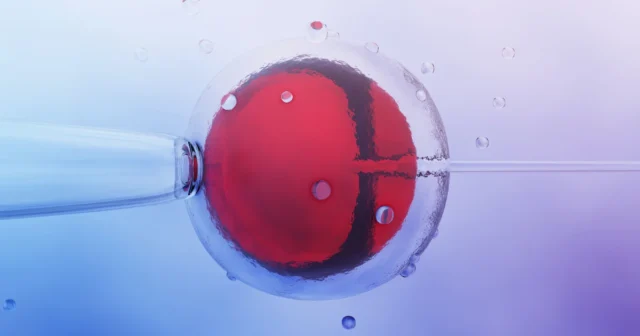
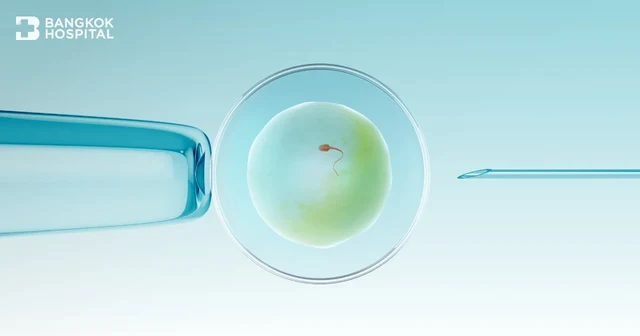
ICSI (Intracytoplasmic Sperm Injection), commonly called “ik-see,” is an assisted reproductive technology developed to increase fertilization rates. In this process, one healthy, high-quality sperm from the male partner is selected and injected directly into the female partner’s egg using a very small glass needle under a high-magnification microscope. This technique helps overcome limitations in cases where sperm cannot naturally swim to penetrate the egg shell for fertilization. It is considered an effective option for couples planning to have a baby.
Who is ICSI suitable for?
Infertility treatment with ICSI is not limited only to those with specific health problems; it also covers couples with various conditions. Groups suitable for this treatment include:
- Men with semen quality issues, such as low sperm count, abnormal shape, or slow movement
- Men with infertility/sterility or who need sperm retrieved directly from the testes (TESE)
- Women with a thick egg shell, making it difficult for sperm to penetrate and fertilize
- Couples who have undergone IUI or conventional IVF without success
- Couples who need preimplantation genetic testing (PGT) of embryos before embryo transfer into the uterine cavity
What are the advantages and considerations of ICSI (ik-see)?
Choosing assisted reproduction with medical technology such as ICSI is highly popular today. However, for careful planning, patients should understand both its strengths and the factors that must be assessed together, as follows:
Advantages of ICSI
- Increases the chance of fertilization: Because a single strongest sperm is selected and injected directly into the egg, it helps solve the problem when sperm cannot penetrate the egg wall on their own.
- Directly addresses male-factor issues: Suitable for men with very low sperm count, abnormal motility, or abnormal sperm morphology.
- Supports cases where conventional IVF was unsuccessful: For couples who previously underwent standard IVF and the eggs did not fertilize, this method can increase the chance of success in the next cycle.
- Genetic screening is possible: Once fertilization results in embryos, doctors can screen embryos for chromosomal abnormalities before transferring them back into the uterine cavity to reduce the risk of genetic diseases.
Treatment considerations
- The process is complex and requires high expertise: ICSI requires highly experienced embryologists as well as an internationally standardized laboratory to achieve the best results.
- Cost: Because it uses advanced technology and delicate specialized equipment, the cost is higher than other basic treatments.
- Fertilization is not 100% guaranteed: Even though sperm is injected directly into the egg, the chance of fertilization and development into a viable embryo still depends on the quality of the egg and sperm in each individual.
- Physical preparation: Women need ovarian stimulation and egg retrieval, which require close monitoring under the care of a specialist physician.
How should you prepare before ICSI?
Preparing the bodies of both the male and female partners is an important part of ensuring a smooth process. Before starting ICSI, preparation should include:
- Undergo a detailed health check, including evaluation of reproductive health, the uterus, and hormone levels.
- Eat nutritious foods from all 5 food groups to nourish the body and improve egg and sperm quality.
- Get adequate rest, manage stress, and exercise appropriately without overexertion.
- Completely stop smoking and drinking alcohol, as they directly affect the quality of reproductive cells.
What are the steps of ICSI?

For couples preparing to undergo treatment, understanding the overall ICSI steps can help with time planning and better physical and mental preparation. The full process includes:
1. Ovarian stimulation
The doctor will assess and prescribe ovarian stimulation medication, usually injectable, to stimulate multiple follicles to grow at the same time. During this period, appointments are scheduled for ultrasound and blood tests to check hormone levels, to monitor follicle growth and adjust the dosage as appropriate. When the eggs reach the required size, the doctor will administer an injection to allow the eggs to fully mature before the scheduled egg retrieval.
2. Egg retrieval and sperm collection
Egg retrieval is performed transvaginally by using a needle to aspirate the fluid from the follicles under ultrasound guidance. Sedation is provided so the patient does not feel pain. On the same day, the male partner must provide a semen sample, or sperm may be retrieved from the testes in specific cases, for selection of healthy sperm in preparation for fertilization.
3. Fertilization in the laboratory
After obtaining eggs and sperm, the embryologist will select sperm with normal morphology and draw it into a glass needle then inject it through the egg обол directly into the egg cell to achieve fertilization in a laboratory with strictly controlled environmental conditions.
4. Embryo culture
Once fertilization occurs and embryos form, they are cultured in an incubator with controlled temperature, humidity and gases. Scientists closely monitor cell division. Typically, embryos are cultured to the blastocyst stage (Blastocyst), around day 5–6, which is the stage when embryos are well developed and ready for implantation.
5. Embryo transfer into the uterine cavity
When embryos develop to the appropriate stage and the woman’s uterine lining is ready, the doctor transfers the embryo back into the uterine cavity using a small catheter passed through the cervix. This step does not require general anesthesia. After the transfer, the doctor will recommend a short observation period before allowing the patient to go home and continue resting.
Self-care after ICSI and after embryo transfer
After the embryo transfer back into the uterine cavity, proper health care helps support optimal conditions for embryo implantation. Recommendations include:
- Use medications exactly as prescribed, including oral medications, injections, or vaginal suppositories, to prepare the uterine lining and support pregnancy.
- Avoid strenuous activities, lifting heavy objects, or exercise that impacts the abdomen.
- Avoid frequent stair climbing in the early period after embryo transfer to allow full rest.
- Eat cooked, clean, easy-to-digest foods, and avoid highly seasoned foods to prevent diarrhea.
How high is the success rate of ICSI?

Once entering the treatment process, an important question is how likely ICSI is to succeed. In reality, the success of pregnancy from this technology does not have a fixed number for everyone, but depends on many individual factors, including:
- The woman’s age, a key factor that directly affects egg quality and quantity
- Egg maturity and sperm quality from the male partner
- Readiness and appropriate thickness of the uterine lining for embryo implantation
- Embryology laboratory technology and the expertise of the medical and scientific teams
Complete your family at the Infertility Treatment Center, Bangkok Hospital
If your family is facing infertility and looking for treatment options, the Infertility Treatment Center at Bangkok Hospital is ready to care for every family with a team of fertility medicine specialists working closely with embryologists. With modern technology and laboratories, we provide individualized treatment planning, accurate cause-focused diagnosis, and safety at every step to help increase the chance of pregnancy and make the dream of having a child come true.
Article summary
ICSI is an assisted reproductive technology designed to increase the chance of fertilization, especially for couples with male-factor sperm problems or those who have undergone other treatments without success. The process includes ovarian stimulation, egg and sperm retrieval, direct sperm injection into the egg, embryo culture, and embryo transfer back into the uterus. Proper preparation and self-care under medical guidance, as well as choosing a facility with high standards, help ensure a smoother treatment process.
Frequently Asked Questions (FAQ) about ICSI
1. Does egg retrieval in ICSI hurt?
Egg retrieval is not painful because the doctor provides sedation and intravenous pain medication. After waking up, you may feel mild lower abdominal heaviness similar to a menstrual period, which can be relieved with pain medication.
2. How long does the entire ICSI process take?
Typically, it takes about 2–3 weeks from the start of ovarian stimulation injections until embryo transfer. If embryos need to be frozen to prepare the uterine lining for the next cycle, the timeline may be adjusted according to the doctor’s treatment plan.
3. After embryo transfer, can I walk or work as usual?
You can walk and return to daily life or light work as usual. However, in the early period, you should avoid lifting heavy objects, exercise that impacts the abdomen, and frequent stair climbing to support embryo implantation.
4. How many days should the male partner abstain before semen collection?
Doctors generally recommend that the male partner abstain from sexual intercourse or ejaculation for about 3–7 days before the scheduled semen collection day to obtain the best quantity and quality of motile sperm for use.
5. How is ICSI different from IVF?
In vitro fertilization (IVF) involves placing an egg cell together with a number of sperm in a culture dish and allowing sperm to swim and penetrate the egg shell to fertilize naturally. In contrast, ICSI selects a single healthy sperm and uses a small needle to inject that sperm directly into the egg cell.