
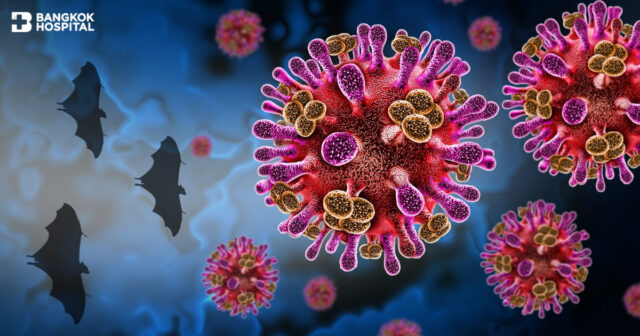

Nipah virus (Nipah Virus) is classified by the World Health Organization (WHO) as one of the top priority diseases because it spreads rapidly and causes severe disease in animals and humans. Currently, there are still no medicines or vaccines for treatment, so close monitoring and staying informed about the disease are necessary in order to prevent it and provide proper care.
Nipah virus (Nipah Virus) what is it
Nipah virus (Nipah Virus) is an RNA virus in the Paramyxoviridae family, genus Henipavirus . It was first discovered in Malaysia in 1998 among pig farmers who were infected, with bats as the reservoir. Nipah virus is often transmitted through contact with other infected individuals. Infection can range from asymptomatic to acute respiratory infection and encephalitis, which can be severe and fatal.
Nipah virus (Nipah Virus) what causes it
Nipah virus (Nipah Virus) is caused by infection with the Nipah virus, which has an important natural reservoir: fruit bats (Fruit Bats) or flying foxes. Although bats may not show symptoms, they can transmit the virus through secretions such as saliva, urine, or feces. Close contact with bats or with someone already infected with Nipah virus may result in infection.
How is Nipah virus transmitted
- Animal-to-human Contact with animal droppings and secretions such as saliva, urine, or blood from infected reservoir animals, i.e., fruit bats, and other animals such as pigs, horses, goats, sheep, etc.
- Human-to-human Close contact with patients or their secretions, such as saliva, sputum, etc. Caregivers and healthcare personnel have a higher risk of infection than other groups.
- Eating contaminated food such as fruit with bite marks from bats, or drinking date palm sap contaminated with bat saliva, urine, or feces.
What is the incubation period of Nipah virus
The incubation period of Nipah virus is usually about 7 – 21 days after exposure.

What are the symptoms of Nipah virus
Nipah virus requires close monitoring. If you have the following symptoms, you should see a doctor immediately.
- Early symptoms High fever, headache, muscle aches, sore throat, vomiting, similar to influenza.
- Respiratory symptoms Some people may have difficulty breathing or acute pneumonia.
- Neurological symptoms Drowsiness, dizziness, confusion, acute encephalitis, seizures, loss of consciousness, progressing to coma.
How is Nipah virus diagnosed
- Take a detailed history of travel to risk areas, including western India, southern India, and Bangladesh.
- Test for Nipah virus genetic material using RT–PCR.

Treatment approach for Nipah virus
Currently, there is no preventive vaccine and no specific treatment. Treatment is therefore symptomatic and supportive to control disease severity and reduce complications affecting the respiratory system, brain, and nervous system.
How to prevent Nipah virus
- Wash hands frequently with soap or alcohol gel; wear a mask.
- Avoid contact with sick animals such as flying foxes, pigs, goats, sheep, and horses, or going to high-risk areas.
- Do not eat fruit with bite marks or fruit that has fallen on the ground.
- Always eat freshly cooked food.
- Avoid traveling to areas with Nipah virus outbreaks.

How dangerous is Nipah virus
Nipah virus infection is a zoonotic disease with a relatively high fatality rate, ranging from 40 – 75%, depending on the virus strain and the patient’s condition. Currently, there have been no reported cases in Thailand, but close surveillance is necessary because it is highly severe and is classified as a dangerous communicable disease under the Communicable Diseases Act B.E. 2558, which requires immediate reporting when a suspected case is found in order to limit spread as quickly as possible.
Which hospital is good for treating Nipah virus
Internal Medicine Clinic, Bangkok Hospital is fully prepared to respond to the situation and appropriate evaluation, diagnosis, and care for patients with Nipah virus. We also offer consultations and accurate medical advice, delivered by a team of specialist physicians and a multidisciplinary team with extensive expertise and experience, to support patients in achieving a good quality of life.
Physician specializing in the treatment of Nipah virus
Assoc.Prof.Dr.Pannpit Suwangool Senior Director, Infectious Diseases Department and Infectious Disease Physician Bangkok Hospital
You can click here to make an appointment yourself.