

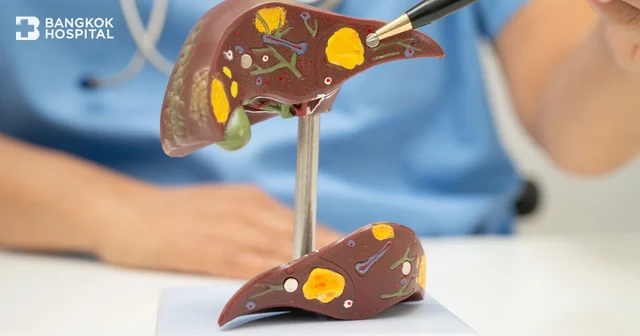
Receiving a medical report indicating an abnormality in the hepatic system can be a daunting experience for the patient. However, gaining a clear understanding of the condition is a crucial first step toward effective management and recovery. This comprehensive guide from Bangkok Hospital provides essential insights into the nature of these growths, ensuring the patient is well-informed about their health journey and the advanced medical solutions available today.
What Is Liver Tumor?
A liver tumor is defined as an abnormal growth of tissue that develops when cells begin to reproduce at a rapid, uncharacteristic rate, leading to either benign (noncancerous) or malignant (cancerous) formations.
Causes of Liver Tumor
For the patient, understanding how this develops requires looking at the fundamental causes:
- Cellular Mutations: Spontaneous changes in DNA that instruct hepatic cells to grow uncontrollably.
- Chronic Inflammation: Long-term damage from prolonged liver diseases that disrupts normal tissue repair.
- Drug-Induced Changes: The extended use of certain medications, such as specific oral contraceptives, which can trigger benign cellular overgrowth.
Because hepatocellular carcinoma (HCC) is the most common type of primary liver cancer, it is critical to recognize the underlying conditions that fuel these fundamental causes:
- Chronic Hepatitis B (HBV) Infection: A prolonged viral infection that drives continuous liver inflammation, directly elevating the risk of cancerous mutations as the liver constantly attempts to repair itself.
- Chronic Hepatitis C (HCV) Infection: Another major viral infection that causes long-term liver damage and inflammation, significantly increasing the likelihood of progressing to cirrhosis and liver cancer over time.
- Cirrhosis: This is a progressive, irreversible condition where healthy liver tissue is replaced by hardened scar tissue. As the liver stiffens, the ongoing cellular damage creates a high-risk environment for tumor formation.
- Metabolic dysfunction-associated steatotic liver disease (MASLD/MAFLD): Occurring when excess fat builds up in the liver of individuals who consume little to no alcohol, this condition is strongly tied to metabolic syndrome, type 2 diabetes, and obesity. While early stages are often asymptomatic and reversible, advanced progression (MASH) leads to severe tissue inflammation, cirrhosis, and ultimately, liver cancer.
Types of Liver Tumors

Understanding the specific types of liver tumors helps the patient and their medical team establish a clear prognosis, as these growths are divided into distinct categories based on their origin and behavior.
Hepatocellular Adenoma
This is a noncancerous growth strongly associated with the use of specific pharmaceutical drugs. Most of these adenomas remain entirely asymptomatic and undetected, though occasionally they can rupture, requiring surgical care.
Hemangioma
Most hepatic hemangiomas do not require treatment unless they become very large or symptomatic. This is because most of them are harmless, non-cancerous growths, or benign lesions that don’t need to be treated and are usually discovered by accident during other medical tests. Additionally, complications related to the heart and blood vessels are quite rare and only happen in specific cases.
Hepatocellular Carcinoma (Primary Liver Cancer)
As the most prevalent form of primary malignant growth, also known as a hepatoma, it originates directly within the hepatic cells. It is most frequently observed in patients who have a history of chronic viral infections like Hepatitis B or C, or severe organ scarring.
Metastatic Liver Cancer (Secondary Liver Cancer)
This secondary cancer occurs when malignant cells spread from another primary site in the body, such as the colon or breast, to the hepatic system. It represents the most common form of malignancy found within this organ and necessitates a comprehensive, systemic medical approach.
Other Signs of Liver Tumor
Beyond internal discomfort, there are distinct, observable physical changes that indicate the organ is struggling to process biochemicals effectively. The patient and their caregivers should be highly vigilant for these visible signs:
- Jaundice: A stark yellow discoloration of the skin and the sclera (whites of the eyes) due to the accumulation of bilirubin in the bloodstream.
- Ascites and Swelling: Noticeable fluid accumulation and distension in the abdominal cavity, often accompanied by a hard, palpable mass under the right rib cage.
- Dermatological Changes: Experiencing severe, persistent itching across the body caused by bile salts depositing directly under the skin.
Symptoms of Each Type of Liver Tumors
While many noncancerous formations remain silent, malignant or significantly enlarged growths will begin to disrupt normal bodily functions, prompting the patient to seek medical advice. It is vital for the patient to monitor for these specific symptoms:
- Abdominal Discomfort: A consistent, dull ache or feeling of fullness situated in the upper right quadrant of the stomach.
- Metabolic Decline: Experiencing unexplained weight loss, severe nausea, vomiting, or a sudden loss of appetite.
- Systemic Fatigue: Unrelenting tiredness and occasional fever that does not resolve with rest.
Recognizing these liver tumor symptoms early allows the patient to address the issue before it severely impacts their quality of life.
Risk Factors
Identifying what makes the patient vulnerable to cellular mutations empowers them to make informed health decisions and participate in active medical surveillance. Being aware of these risk factors and their potential complications is essential for proactive healthcare:
- Viral Hepatitis (Risk Factor): Chronic infections with Hepatitis B or C create a persistent inflammatory state that heavily predisposes the patient to primary malignancies.
- Organ Cirrhosis (Risk Factor): Severe tissue scarring, often caused by heavy alcohol consumption or fatty liver disease, hardens the organ and promotes abnormal cellular growth.
- Internal Hemorrhage (Complication): Even benign adenomas can unexpectedly rupture, leading to dangerous internal bleeding within the abdominal cavity.
- Hepatic Failure (Complication): Progressive malignant growths can eventually destroy the organ’s ability to filter toxins, leading to severe systemic toxicity.
Diagnosis of Liver Tumors
Establishing a precise liver tumor diagnosis and treatment plan always starts with a thorough physical examination and a detailed review of the patient’s medical history. Physicians utilize a variety of advanced tools to assess the organ’s function and visualize the internal structures clearly. Blood tests check for specific functional markers, while high-resolution imaging like ultrasounds, CT scans, and MRIs map the exact size and location of the abnormality. In some instances, a tissue biopsy is extracted to definitively determine the cellular makeup under a microscope, completing the diagnostic picture.
Treatment for Liver Tumors
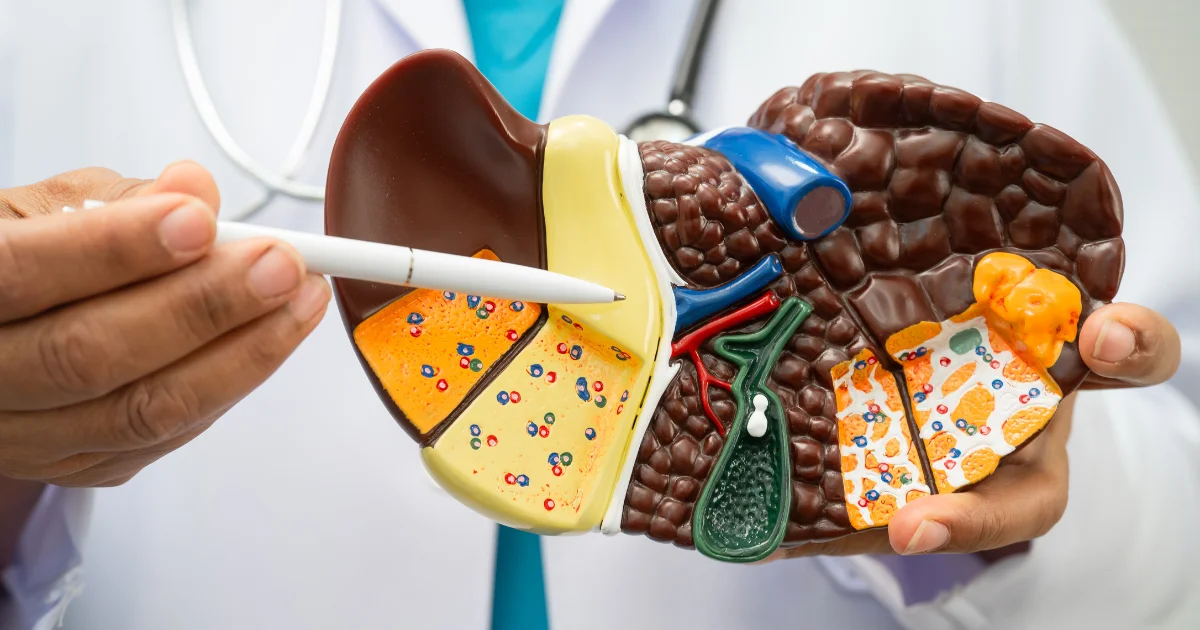
Determining the most effective liver tumor treatment is a highly individualized process that factors in the growth’s specific classification, its size, and the patient’s overall physical resilience. The medical team may recommend a combination of the following treatments:
Surgical Excision
Physically removing the localized abnormal tissue or, in severe primary cases, performing a liver transplantation
Ablation and Embolization
Utilizing heat, microwaves, or targeted chemotherapy delivered directly into the hepatic arteries to destroy localized cancer cells.
Systemic Medicine
Administering oral medications or intravenous chemotherapy for advanced or metastatic disease.
Robotic Surgery
For cases requiring surgical intervention, the patient can benefit from Robotic Surgery Center in Thailand. Robotic-assisted surgery minimizes pain and promotes faster recovery, particularly for complex and hard-to-reach areas.
Prevention
Although genetic predispositions cannot be altered, the patient can actively adopt lifestyle modifications that drastically reduce the likelihood of developing severe hepatic conditions. Key prevention strategies include the following actions:
- Immunization: Ensuring the patient receives the Hepatitis B vaccine to neutralize one of the most significant viral triggers.
- Dietary and Lifestyle Moderation: Limiting alcohol intake and managing weight to prevent the onset of fatty liver disease and subsequent cirrhosis.
- Routine Health Screenings: Engaging in regular medical check-ups and ultrasound surveillance, particularly for patients with existing chronic hepatic conditions.
By integrating these preventive habits, the patient creates a biological environment that strongly resists the formation of dangerous cellular anomalies.
When to See a Doctor
Timely medical intervention is the most critical factor in ensuring a favorable prognosis and preventing localized abnormalities from escalating into systemic emergencies. The patient should seek immediate medical attention if they develop sudden jaundice, discover an unexplained physical lump in their abdomen, or suffer from severe abdominal pain combined with rapid weight loss. Early detection maximizes the effectiveness of available therapies and offers the patient the best possible pathway to recovery.
Your Individual Roadmap to Wellness

At Bangkok Hospital, a team of specialized surgeons uses advanced robotic-assisted technology to treat complex conditions across multiple systems, including lung, prostate, liver, intestinal, and gynecological disorders. These high-precision procedures are available in comprehensive care packages with clear, transparent pricing.
Frequently Asked Questions
1. Are all hepatic growths cancerous?
No. Many formations, such as hemangiomas and adenomas, are entirely benign (noncancerous) and often require no treatment unless they grow large enough to cause discomfort or carry a risk of rupture.
2. Can the patient survive with a secondary malignancy in this organ?
Yes, survival and quality of life can be significantly improved. Modern combinations of localized therapies, systemic treatments, and advanced surgical resections offer substantial long-term benefits for metastatic cases.
3. Does a noncancerous growth require surgery?
Typically, no. However, if a benign growth becomes excessively large, causes severe pain, or interferes with nearby organs and blood vessels, a surgeon may recommend its removal to ensure the patient’s ongoing safety.
4. Can a liver tumor be benign?
Yes. Many liver tumors are benign (non-cancerous) and do not pose a serious health risk. Common benign liver tumors include hepatic hemangiomas, focal nodular hyperplasia (FNH), and hepatic adenomas. Most benign liver tumors do not require treatment unless they cause symptoms, grow significantly in size, or have features that raise concern for complications. An accurate diagnosis is important to distinguish benign tumors from malignant liver cancers and determine the most appropriate management plan.
5. What tests are used to diagnose a liver tumor?
Several tests may be used to evaluate and diagnose a liver tumor. These commonly include blood tests to assess liver function and tumor markers, as well as imaging studies such as ultrasound, computed tomography (CT) scans, and magnetic resonance imaging (MRI). In some cases, additional investigations such as contrast-enhanced imaging or a liver biopsy may be recommended to confirm the diagnosis and determine whether the tumor is benign or malignant.