


Navigating the journey of family planning can be an emotionally overwhelming experience. For many patients, the chronic stress and anxiety of dealing with women’s infertility can be so profoundly taxing that it leads to physical exhaustion and sleep disturbances. Finding clarity in your medical options is the first step toward regaining control and peace of mind. This article from Bangkok Hospital will guide you through the IVF procedure, explaining exactly what the treatment entails and outlining the essential phases of the journey.
Understanding the Basics of the Treatment
In vitro fertilization is a highly effective form of assisted reproductive technology designed to help individuals and couples achieve pregnancy when natural conception is not possible. So, how does IVF work? Fundamentally, the process involves carefully extracting mature eggs from a patient’s ovaries and combining them with sperm in a specialized, controlled laboratory environment to facilitate fertilization. Once a fertilized egg develops into a healthy embryo, it is then meticulously transferred back into the patient’s uterus, with the goal of successful implantation and a healthy pregnancy. This pathway is a cornerstone of modern reproductive medicine, offering hope to those facing various reproductive challenges.
Preparing Before the IVF Treatment
Before initiating the IVF procedure, patients must undergo a comprehensive medical and fertility evaluation to tailor the treatment to their specific needs. This preparatory phase typically involves:
- detailed consultations
- pelvic exams
- semen analysis for the partner
- various blood and urine tests to screen for infectious diseases or genetic carriers
Based on these results, your medical team will guide you on self-care preparations, such as taking folic acid supplements and learning how to self-administer hormonal medications properly.
Steps During the IVF Cycle
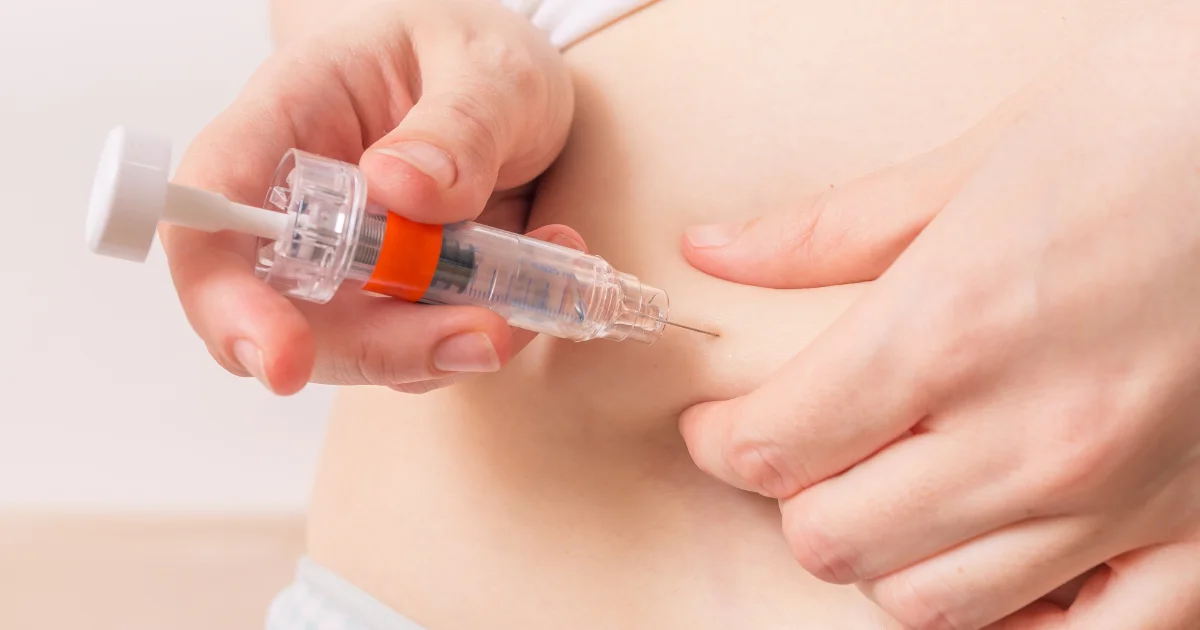
The active phase of the treatment spans several weeks and involves a sequence of highly timed medical interventions to safely harvest eggs and create embryos. As a patient, you will be closely monitored by your medical team throughout this period to ensure your body is responding well to the treatments and to adjust protocols as necessary for the best possible outcome.
Ovarian Stimulation and Monitoring
Patients are prescribed injectable hormones to encourage the ovaries to produce multiple mature eggs simultaneously, rather than the single egg typical of a natural cycle. Throughout this stage, doctors utilize frequent blood tests and ultrasounds to monitor hormone levels and follicle growth, culminating in a final “trigger shot” to finalize egg maturation.
Egg Retrieval
This is a minimally invasive surgical procedure performed under moderate sedation to ensure the patient’s comfort. Using ultrasound guidance, a physician inserts a fine needle through the vaginal wall to gently aspirate the mature eggs directly from the ovarian follicles.
Fertilization
Once retrieved, the healthy eggs are immediately taken to the laboratory where they are combined with sperm. In many cases, an embryologist will perform Intracytoplasmic Sperm Injection (ICSI), a specialized technique where a single, high-quality sperm is injected directly into an egg to maximize the chances of successful fertilization.
Embryo Development
The fertilized eggs are kept in a strictly controlled incubator where their cellular division and growth are monitored for five to six days. The goal is for them to reach the blastocyst stage, at which point the strongest and healthiest embryos are selected for either immediate transfer or cryopreservation (freezing) for future use.
Embryo Transfer
In this final, generally painless step, a physician uses a thin, flexible catheter to carefully place the selected embryo (or embryos) directly into the patient’s uterus. Prior to this, the patient takes specific hormonal medications, such as estrogen and progesterone, to thicken the uterine lining and create an optimal environment for the embryo to implant.
Care After the Treatment
Following the embryo transfer, patients are generally encouraged to resume their normal daily routines, though strenuous activities should be avoided. It is common to experience mild post-procedure symptoms such as slight cramping, breast tenderness, light spotting, or bloating due to the hormone medications. Approximately two weeks after the transfer, the patient will return to the clinic for a formal blood test to accurately determine if the embryo has successfully implanted and resulted in a pregnancy.
Potential Risks of the Treatment
While generally safe, the IVF procedure is a complex medical intervention that carries certain risks which patients should discuss thoroughly with their healthcare providers.
- Ovarian Hyperstimulation Syndrome (OHSS): The fertility medications used to induce ovulation can sometimes cause the ovaries to become swollen and painful, excessive fluid in the abdominal cavity leading to symptoms like abdominal bloating, nausea, and weight gain.
- Multiple Births: If more than one embryo is transferred and implants successfully, it results in a multiple pregnancy (twins, triplets), which naturally carries higher risks for early labor and low birth weight.
- Complications During Retrieval: As with any minor surgical procedure, the egg retrieval process carries a small risk of bleeding, infection, or unintended damage to surrounding structures like the bladder or bowel.
- Ectopic Pregnancy: There is a slight risk that the transferred embryo may implant outside the uterus, typically in a fallopian tube, which is a non-viable pregnancy that requires prompt medical intervention.
- Premature Delivery: Studies indicate a marginally increased risk that babies conceived through assisted reproductive technologies may be born slightly earlier or at a lower birth weight compared to natural conceptions.
Understanding the Success Rates

The likelihood of achieving a successful pregnancy and live birth through in vitro fertilization is most heavily influenced by the maternal age at the time of egg retrieval. Statistically, patients under the age of 35 experience the highest success rates, often exceeding 46% per retrieval, because younger age correlates with higher egg quality and quantity. As a patient ages, particularly beyond the late 30s and into the 40s, the success rate gradually declines, dropping to roughly 3% for patients over the age of 43.
When to See a Doctor
Throughout your fertility journey, it is vital to listen to your body and seek immediate medical care if you experience any severe or highly unusual symptoms. Patients should contact their physician right away if they develop a high fever (above 38.5 degrees Celsius), heavy vaginal bleeding, blood in the urine, abnormal vaginal discharge, or sharp, severe pelvic pain, as these could indicate an infection or other complication requiring swift treatment.
IVF at Fertility Center, Bangkok Hospital

For those seeking holistic care, considering IVF Thailand offers access to highly skilled medical professionals. Fertility Center and Women’s Health Center, Bangkok Hospital provides specialized obstetric and gynecological care, covering everything from family planning and pregnancy to childbirth and postnatal care, supported by a team of specialists and nurses available 24/7. The facility offers comprehensive maternal and childcare services, from prenatal stages through childhood, featuring cozy and private delivery rooms and postnatal suites. Additionally, the center provides advanced screening and treatment for gynecological conditions, including endometriosis, cervical cancer, and uterine fibroids, utilizing up-to-date technology.
Frequently Asked Questions
1. How long does the IVF process take?
A single full cycle of IVF typically takes about 4 to 6 weeks from the start of the preparation and ovarian stimulation to the final pregnancy test, though individual timelines can vary.
2. Is the IVF procedure painful?
The process involves some discomfort, such as mild cramping or bloating from the hormone injections, but the egg retrieval surgery itself is performed under moderate sedation so patients will not feel pain during the extraction.
3. What happens if the IVF cycle fails?
If a cycle is unsuccessful, doctors usually recommend waiting 4 to 6 weeks to allow your body and mind to recover before attempting another cycle or discussing alternative fertility strategies.