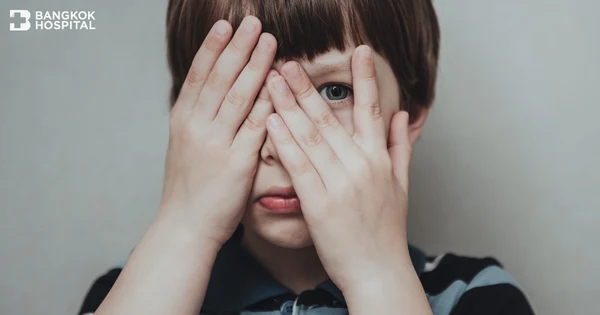

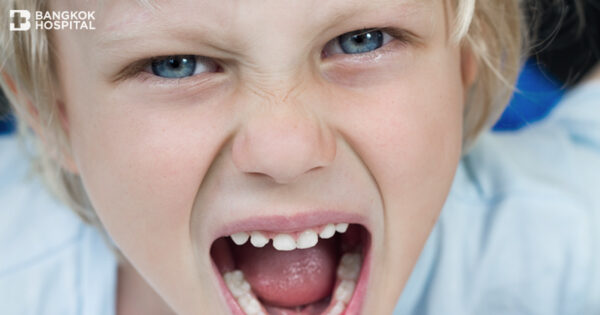
Anger is a normal emotion. Children are not always able to control their emotions and sometimes burst out in anger. Most children have occasional tantrums or meltdowns. They may sometimes lash out if they are frustrated or be defiant if asked to do something they do not want to do. But when kids do these things repeatedly, or cannot control their tempers most of the time, it may be more than just a typical behavior.
Factors leading to aggression
Multiple factors can contribute to a particular child’s struggles with anger, irritability and aggression.
- Physical/Medical problems – attention deficit disorder, bipolar, autism, and other mental conditions caused by imbalance in neurotransmitters
- Temperament – a child’s personality e.g. furious, touchy, irritable
- Environment – trauma, dysfunctional family, certain parenting styles such as harsh and inconsistent punishment, social media
Checklist of the emotional outbursts that should concern you
Signs of emotional changes taking place as your child struggles to take control of his actions, impulses, feelings, and body. These might begin at the age of one. The outbursts that should concern you are as follows
- Pinching
- Pulling hair
- Snatching
- Does not listen
- Throwing things
- Fractious, destroying things
- Throwing a temper tantrum
- Crying for too long
- Hurting parents or a caretaker
- Hurting friends or others
Types of aggression
- Manageable – Parents can encourage the child to manage anger
- Unmanageable – The child’s anger is harmful to himself or others
Helping your child to handle anger
If you do not feel like things are changing after a few months of good effort, do not hesitate to seek professional help. An experienced child and adolescent psychiatrist can help the child work through those deeper feelings, and develop more ability to manage his emotions by:
- History taking, emotion assessment, a child and parents’ behavior – physical or medical problems should be ruled out
- Tackle anger together – Team up with your child to help him deal with anger. How you respond to anger can influence how your child responds to anger. Making it something you tackle together can help you both.
- Medication – might help with the child’s anger around 70-80% with parents’ encouragement. If the parents are not cooperative, the effect is reduced to 30-40%.
What causes anger, irritability and aggression in children?
There are 4 main causes.
- Family
Family environment is perhaps the most important factor contributing to the likelihood of inappropriate behavior. Parents’ work schedules, parents’ marital problems, and parenting styles may affect the degree, frequency and intensity of inappropriate behavior. Working parents with young children may find that their children are more likely to have behavioral problems resulting from factors such as poor bonding between parents and children, inattention from fatigued parents and the conflict between children wanting attention and the parents’ lack of time.
- A child’s temperament
Emotions, psychological, and development
- Environment and socioeconomic
Poverty, severe deprivation, marital breakup, single parenting, unemployment, and loss of support from extended family
- Learning too much and too soon
Pushing preschool kids to learn too much and too soon can create emotional stress
Managing your child’s anger
Frustration and anger can quickly turn into defiance, disrespect, aggression, and temper tantrums if your child does not know how to deal with his emotions. If your child has trouble taming his temper, these strategies can teach him anger management skills:
- Model appropriate anger management skills
The best way to teach your child how to deal with anger is by showing him how you deal with your emotions when you feel angry. If your child watches you lose your temper, he will likely do the same. But, if he sees you cope with your feelings in a gentler way, he will pick up on that too.
- Wait to talk until the meltdown is over
When children are angry, it is not a good time for productive discussions. It is best to save your talks for a time when he is calm. Revisit the incident that made him so mad and ask him to help you understand what was so distasteful that got him so angry. Then, listen with a goal of understanding your child and her perspective. Do not defend or correct.
- Understand your child’s anger
Your child needs to know that you understand how upset he is and why. So when he expresses anger, the best thing you can do is listen and acknowledge. Kids need skills to manage their anger in the moment. When your child is calm, make a list with him of constructive ways to handle emotion and practice them.
- If things do not improve, seek professional help.
A trained professional can rule out any underlying mental health problems and can offer assistance in creating a behavior management plan.
- Talk to your kids about the community violence
When there are news on TV and social media, discuss with your kids. It is important to their social and emotional development.
It is normal for children to struggle to manage their anger at times. But, with your guidance, your child’s skills should improve. If your child is struggling to get his anger under control, or his anger problems seem to be getting worse, seek professional help.