Human development peaks at approximately 20-25 years old; from that point on, the body and organs slowly deteriorate towards old age. The definition of at which age one is considered elderly can vary from country to country, but usually means above the age of retirement, or after 65 years of age. Older individuals will experience issues concerning the body, mind, and various diseases that are not as common in younger people. These may include:
- Cognitive deterioration due to reduced amount of brain cells, lack of efficient blood supply to the brain, malnutrition, and lack of vitamins. This may lead to memory loss, forgetfulness, and insomnia. Brain conditions can lead to other issues such as loss of sense of awareness and direction, accidents, and infection.
- Depression is a common condition prevalent in older people and is a chronic ailment, often due to improper or lack of self-care and neglect by family members. Symptoms may include abnormal sleeping habits, apathy, guilt, lack of concentration, and lack of appetite. Furthermore, aggression can be a sign of suicidal tendencies.
- Urinary incontinence, infection of the urinary tract, vaginal infection, and side effects of certain medication and treatments such as medication for stress, depression, and blood pressure. Medication to induce urination can sometimes lead to chronic issues with urination.
- Falls are a common issue especially in older women. Causes may include lack of blood supply to the brain, paralysis, pneumonia, myocardial infarction, and environmental factors such as a slippery surface. Other issues may include medication, alcohol, insomnia, or swollen feet.
The most important cause of falls is loss of balance which may be the result of deterioration due to aging, conditions relating the neurological system, peripheral neuritis (tingling or numbness in hands and feet), diabetes, malnutrition, abrupt changes in blood pressure when changing positions as a result of medication, and mental issues such as stress or depression.
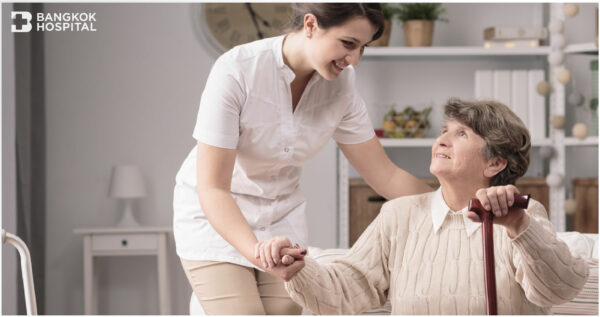
Falls are a major concern for the elderly and are a complication that could potentially lead to death. Fall prevention can be achieved by preparing a safe and appropriate home environment. This may include apparatus to help walk, or proper lighting, and making sure the floor is not cluttered so that one could trip over things. Furthermore, older individuals should receive a fall risk assessment and should be shown how to use apparatus properly, in order to facilitate walking more safely.
- Difficulty moving due to pain and weakness, loss of balance and mental issues can cause older people to become bedridden. Causes may include malnutrition, improper electrolyte balance, anemia, and neural or muscle conditions. There may be issues concerning joints such as rheumatoid arthritis, gout, and Parkinson’s. These may all contribute to difficulty in movement for the elderly.
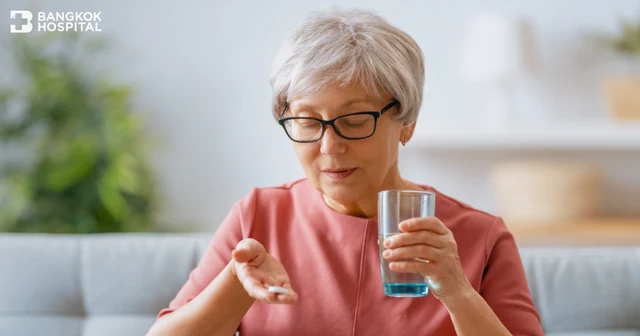
- Side effects of medication can have an impact on the health of older individuals who consume 2-3 times more medication than their younger counterparts. It can lead to slow waste disposal due to the deterioration of kidney and liver function. Effects of medication will vary on an individual basis, for example some people may become sensitive to medication of the opioid category. Anti-coagulation medication can also lead to several complications. Elderly people may be taking both prescribed and over-the-counter (OTC) medication which, increases the chance of experiencing side effects. Proper selection and usage of medication, and having doctors review the combinations of medications taken for different conditions, becomes all the more important. It is a good idea to let your doctor know what over-the-counter medications you take, in addition to the medicines prescribed by the doctor.
The most common conditions for the elderly include obesity, diabetes, hypertension, high cholesterol, arthritis, myocardial infarction (heart attack), Alzheimer’s, depression, worry, insomnia, as well as conditions associated with the gastrointestinal tract such as constipation.
It is recommended that older individuals regularly undergo a Geriatric Assessment to diagnose their risk of disease and other abnormalities to ensure a good health condition relative to their age.