


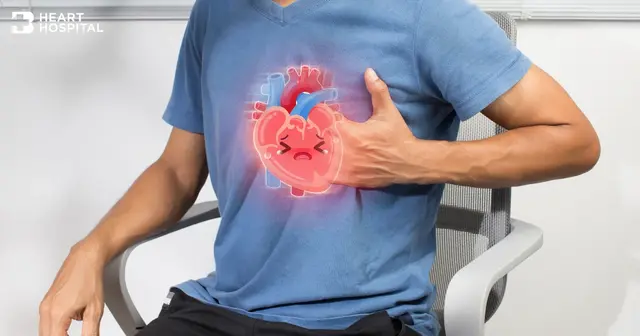

When managing heart health, understanding what can trigger atrial fibrillation is a vital step in maintaining a stable rhythm. Atrial fibrillation is a common condition where the upper chambers of the heart beat irregularly and out of sync with the lower chambers. This irregular rhythm can lead to fatigue, shortness of breath, dizziness, and a fluttering sensation in the chest. While some individuals experience episodes seemingly without warning, a variety of physical, emotional, and lifestyle factors can play a significant role.
What Physical and Medical Conditions Trigger AFib?

Physical stress on the body is heavily linked to heart rhythm changes. The way your body handles illness, rest, and emotional strain can dictate how often episodes occur.
1. Severe Physical Illnesses and Infections
Significant bodily stress from illnesses like pneumonia or upper respiratory infections is a heavily reported trigger. Recovery periods following surgical procedures or times of severe inflammation place extra demands on your cardiovascular system. Sometimes individuals who have never experienced an episode will develop one during a severe illness.
2. Sleep Apnea
Poor sleep quality is a heavily underrecognized factor when assessing what can trigger atrial fibrillation. Sleep apnea, a condition where breathing repeatedly stops and starts during sleep, interrupts oxygen flow and places strain on the heart.
3. Insomnia and Sleep Deprivation
You do not need a formal sleep apnea diagnosis for sleep to impact your heart. Experiencing insomnia or dealing with several consecutive nights of disrupted sleep increases the likelihood of an episode. Protecting your sleep hygiene is highly encouraged for overall cardiovascular stability.
4. Dehydration
A lack of adequate fluids reduces blood volume and alters electrolyte balances, making the heart work harder. Whether caused by inadequate water intake or excessive sweating, dehydration remains a very common trigger.
5. Emotional Stress and Anxiety
The body responds to anxiety by releasing stress hormones like adrenaline. These hormones directly impact how the heart beats and can prompt an episode in susceptible individuals.
6. Grief and Sudden Life Changes
Major life events, severe family conflicts, and profound grief create a sudden, intense emotional load. This heavy psychological burden translates into physical stress, which can trigger an irregular rhythm.
7. Large Meals and Binge Eating
Eating unusually large portions stretches the stomach and can activate nerve pathways connected to the heart. Many people report episodes following heavy holiday dinners or restaurant outings. When the vagus nerve (which connects the brain, gut, and heart) is stimulated by gastrointestinal distress, it can spark rhythm changes.
8. Acid Reflux and Heartburn
Digestive issues like heartburn and acid reflux are frequently correlated with heart palpitations. The close physical proximity of the esophagus to the heart, combined with shared nerve pathways, means that irritation in the digestive tract can sometimes trigger an episode.
What Types of Beverages Can Trigger an AFib Episode?
What you drink plays an immense role in cardiovascular health. Monitoring your beverage choices is an essential part of discovering what can trigger atrial fibrillation for you personally.
1. Alcohol Consumption
Consuming alcohol is one of the most frequently reported triggers. Binge drinking places direct stress on the heart muscle, making it harder to pump blood efficiently. Because alcohol acts as a diuretic, it also contributes to dehydration and electrolyte imbalance.
2. Excessive Caffeine Intake
The connection between coffee and heart rhythm is complex. While moderate consumption (one to two cups a day) might not cause problems for everyone, excessive caffeine intake acts as a powerful stimulant that can irritate the heart’s electrical system in sensitive individuals.
3. Energy Drinks
Energy beverages often contain massive doses of caffeine along with other powerful stimulants. Because a single serving can contain well over 100 milligrams of caffeine, these beverages pose a noticeable risk for those prone to rhythm disturbances.
4. Very Cold Drinks
A sudden change in temperature in the esophagus can sometimes affect the heart. Consuming ice water, frozen beverages, or even cold treats like ice cream can initiate an episode within minutes for some individuals.
Can Physical Activity Trigger Heart Rhythm Changes?
Physical activity is highly recommended for cardiovascular health, but the intensity and conditions of the workout matter.
1. Extreme Physical Exertion
While moderate exercise helps reduce symptoms, extreme exertion can be problematic. Training to exhaustion, pushing far beyond your normal routine, or engaging in intense endurance events causes a rapid spike in heart rate that might prompt an episode.
2. Exercising While Dehydrated
Combining physical exertion with a lack of proper hydration amplifies the strain on your cardiovascular system. Exercising when fluid levels are low is heavily linked to rhythm disturbances.
What Medications and Stimulants Trigger AFib?

Certain substances that stimulate the nervous system require careful monitoring.
Nicotine Use
Nicotine is a potent stimulant that increases blood pressure and heart rate. Using tobacco or vaping products introduces stress to the cardiovascular system that can provoke an episode.
Recreational Drugs
Recreational substances that stimulate the body are highly dangerous for individuals with irregular heart rhythms. They can cause unpredictable and severe cardiovascular reactions.
ADHD Stimulant Medications
Prescription stimulants used for attention disorders alter nervous system activity. If you are prescribed these medications, it is important to monitor your heart rhythm and discuss any changes with your physician.
Hospital Providing Care for Trigger Atrial Fibrillation

Bangkok Heart Hospital provides dedicated care for individuals experiencing irregular heart rhythms. Our facilities are equipped to monitor, evaluate, and manage your condition. We guide patients through lifestyle adjustments and medical treatments, focusing heavily on educating you about what can trigger atrial fibrillation so you can regain confidence in your daily routines.
Summary
Understanding what can trigger atrial fibrillation requires paying close attention to your body. From severe illness and poor sleep to large meals, alcohol, and extreme exertion, the factors vary widely from person to person. Keeping a symptom log can help you spot patterns over time. By working closely with medical professionals, you can manage these triggers and focus on a heart-healthy lifestyle.
Frequently Asked Questions
1. Can a single cup of coffee trigger atrial fibrillation?
For most individuals, a single cup of coffee is unlikely to cause an episode. However, sensitivity varies, and excessive caffeine intake can be a trigger for some.
2. Does dehydration directly cause AFib episodes?
Yes, dehydration reduces blood volume and throws off vital electrolyte balances, placing extra strain on the cardiovascular system that can lead to rhythm changes.
3. How do I identify my personal AFib triggers?
Keeping a detailed symptom journal is highly recommended. Track your meals, alcohol intake, sleep quality, stress levels, and exercise routines to see what precedes your episodes.
4. Will treating sleep apnea help manage my atrial fibrillation?
Treating sleep apnea may help reduce the strain on your heart and may lower the risk of recurrent episodes, though results vary from person to person and it is usually part of a broader management plan rather than a standalone solution.
5. When should I seek emergency medical care for heart palpitations?
Call emergency services right away if you have chest pain, shortness of breath, fainting or any sign of stroke such as sudden facial drooping, weakness in an arm or leg, difficulty speaking, or sudden confusion or vision changes.