




Myocardial Ischemia
Currently, heart-related diseases rank 1st or 2nd in mortality rates after cancer, especially in developed countries. This is due to modern lifestyles. Additionally, risk factors include improper diet, smoking, stress, lack of exercise, high blood pressure and cholesterol levels, diabetes, people aged 40 and above, and those with a family history of heart disease, who should pay close attention to controlling and regularly checking their health.
Treatment of Myocardial Ischemia
When a patient is diagnosed with this disease, the doctor will determine where the blood vessel is blocked and which treatment method is suitable. Generally, treatment is divided into 3 methods:- Medication
- Special procedures, such as angioplasty with a balloon, scraping the vessel with a deburring head
- Coronary Artery Bypass Grafting (CABG) to allow blood to supply the heart
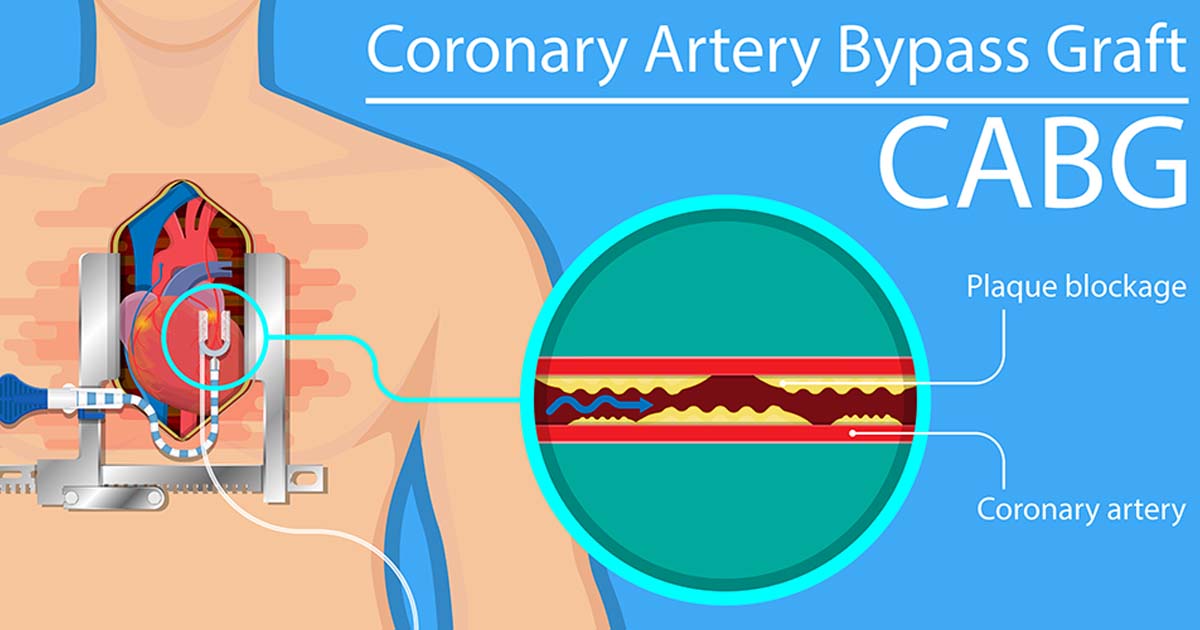
Coronary Artery Bypass Grafting (CABG)
Coronary artery bypass grafting, commonly called heart bypass surgery, is a treatment for patients with blocked coronary arteries. Typically, surgeons use veins from the left chest and arteries from the left arm or veins from the leg, from the inside of the ankle to the inside of the thigh, to stitch to the arteries, allowing oxygenated blood from the large arteries to feed the heart muscle that is deprived of blood, bypassing the narrowed sections. This surgery is high risk, as heart surgeons need to use a heart-lung machine (On Pump CABG) during surgery to stop all heart functionality. However, patients can be greatly relieved when cared for by a skilled and continually developing cardiac surgery team.
Nowadays, with modern technology, surgeons can perform heart bypass surgery without the use of a heart-lung machine (Off – Pump CABG), but will use instruments to stabilize the heart in the surgery area. This means the heart does not have to stop beating, which prevents complications related to heart-lung machines, such as lung damage due to inadequate oxygen exchange, temporary kidney failure after surgery, and non-coagulating blood leading to unstoppable bleeding, etc. Additionally, this method results in less blood loss, and shorter surgery, anesthesia, and hospital recovery times.
Dr. Pradub Sukhum, Senior Director of Bangkok Heart Hospital says, “Bangkok Heart Hospital is unique in Thailand for successfully treating more than 90% with this method. Moreover, it is equipped to treat patients with acute myocardial ischemia rapidly and promptly within 90 minutes. With the expertise and experience of physicians, personnel, together with modern devices and technology, the treatment outcomes are of high standard, comparable to international hospitals. Bangkok Heart Hospital continues to advance and develop its treatment capabilities to ensure that patients receive the best care possible.”
Carotid Artery Feeding the Brain is Blocked
The cause of the blockage in the carotid arteries that feed the brain is due to the accumulation of cholesterol plaques and calcium that form lumps in the carotid arteries, making the arteries narrower or rupturing until blood clots form in the area, causing blockage. This reduces the blood and oxygen flow to the brain, leading to stroke and paralysis. Moreover, individuals over the age of 45, with diabetes, high blood pressure, high cholesterol, smokers, and those with a family history of heart disease have a higher risk of carotid artery blockage. The behavior of consuming improper diets among Thais has increased, hence the number of patients with artery blockage and heart disease has also increased.
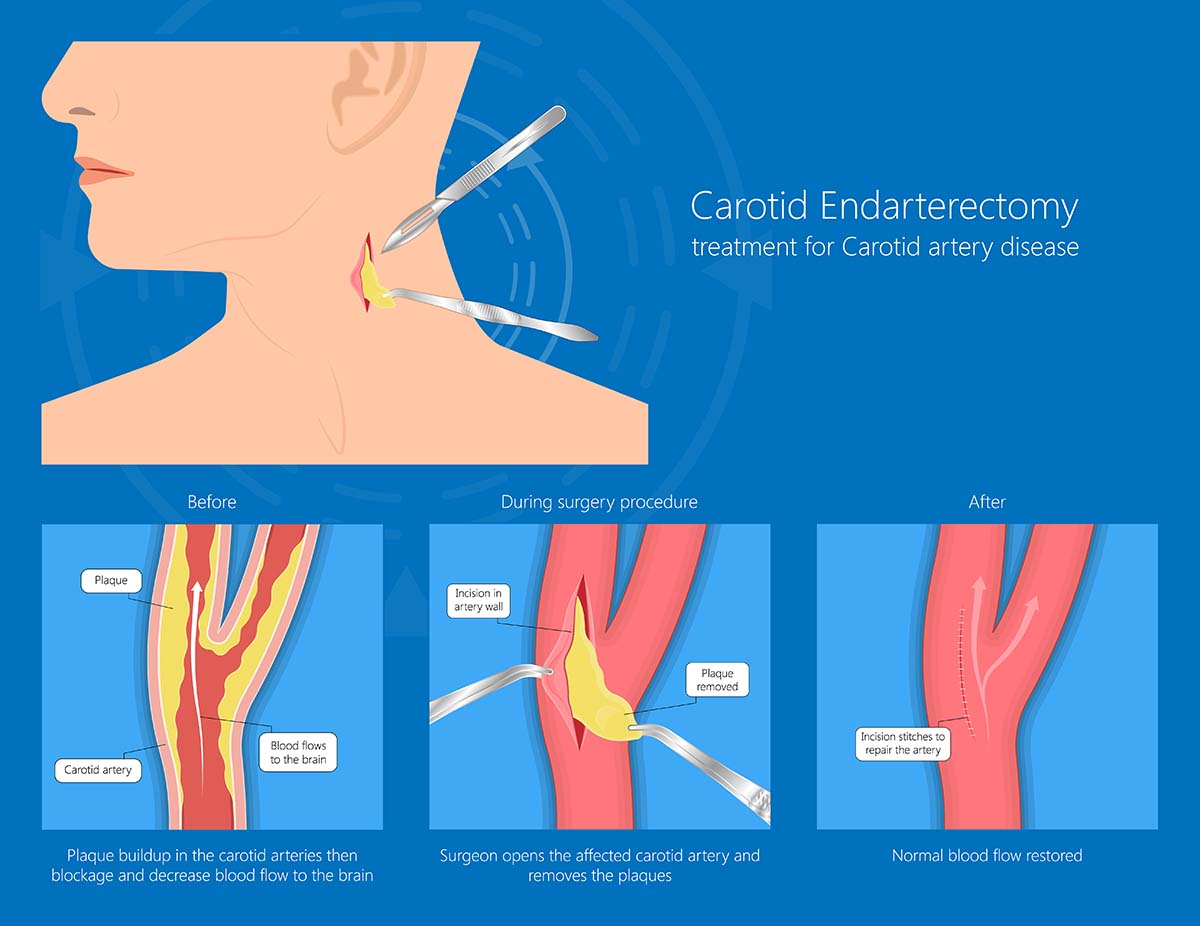
Carotid Endarterectomy (CEA)
Currently, numerous heart disease treatments, new surgical techniques, and stem cell use have been researched, especially the big artery surgery at the neck (Carotid Endarterectomy – CEA) to treat patients with artery blockage and heart disease. Thanks to medical advancements, surgeons can now solve the blockage caused by fat plaques in the carotid arteries using the ‘Carotid Endarterectomy (CEA)’ technique to remove the obstructing fat plaques from the large artery walls on both sides of the neck. This helps the carotid arteries supply sufficient oxygenated blood to the brain.
The benefits of carotid artery surgery significantly prevent and reduce the risk of strokes and transient ischemic attacks in patients with narrow or blocked cerebral arteries. The surgery, performed by experienced surgeons, takes less than 2 hours, and patients are recommended to recover in the hospital for 1 – 2 days for immediate care in case of complications, which are very rare with skilled treatment. Most patients can resume their regular activities within 3 weeks after the surgery.
Dr. Kosin Thupvong, Cardiac and Thoracic Surgeon at Bangkok Heart Hospital, one of the Thai doctors skilled in cardiac and thoracic surgery, former American board-certified surgeon, and former president of the Thai Physicians Association in America, who decided to bring over 40 years of heart and vascular surgery experience from the United States back to Thailand to improve and modernize Thai medical care, says, “Bangkok Heart Hospital, a specialized heart disease hospital, has experienced surgeons ready to provide comprehensive treatment options, from initial diagnosis, special examinations, heart disease prevention, to offering ‘Carotid Endarterectomy’ surgery for patients assessed to have severe carotid artery blockages, reducing new heart disease and stroke risks effectively.”