

Nowadays, we consume too much added salt and sugar. Eating too much sodium, sugar, and fatty food increases risk of cardiovascular disease and other health problems.
Dr. Anusith Tunhasiriwet, a cardiologist at Bangkok heart hospital, explained that Thai food contains five flavors: sweet, salty, sour, spicy, and oily. Having food with too much added flavors is bad for your heart health.

The danger of sugar
Too much added sugar can be one of the greatest threats to your health. All sugars are part of the carbohydrate family and provide 4 Calories of energy per gram. On its own, sugar has no other nutrients. When you eat excess sugar, your liver has to produce insulin, so sugar is being taken into body cells, to be used for energy. In people with insulin resistance, however, excess sugar is not sufficiently absorbed by cells even in the presence of insulin, thereby causing an increase in the level of blood sugar. This can lead to heart disease.
Easy ways to lower blood sugar
- Eat less than 6 teaspoons of sugar per day (24 grams)
- Avoid drinks that contain more than 5% of sugar (find the information on the nutritional label)
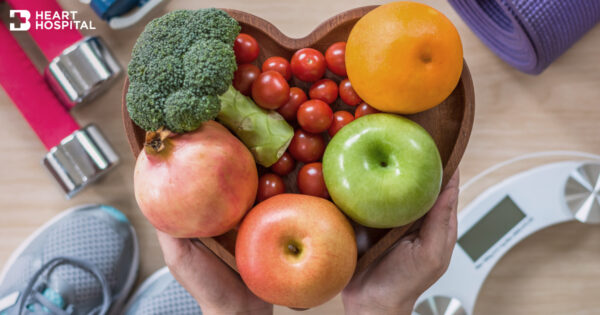
- Eat low sugar fruits such as guava, green apple, papaya
- It is okay to eat dessert. Try choosing one with low sugar or having fruits as dessert.

The terrifying side effects of eating excessive fatty food
Fat is an important part of your diet. It is essential to eat some fat, however it is also harmful to eat too much. Fat has 9 calories per gram, more than 2 times the number of calories in carbohydrates and protein. Trans fatty acids are unhealthy fats that are found in shortenings, doughnuts, cookies, coffee creamer, etc. Fatty foods that contain saturated fat are linked to poor heart health and increased risk for high cholesterol, increase LDL, and lower HDL. This can also lead to coronary artery disease. Food rich in saturated fat and cholesterol includes fatty meat and coconut milk.
Easy ways to lower fat intake
- Eat less than 6 teaspoons of fat per day (30 grams)
- Eat lean meat 2-4 tablespoons per meal (depending on sex and age)
- Avoid fried food as it contains saturated fat
- Avoid food that contains trans-fat such as shortenings, popcorn, hamburger, etc.
- Avoid reusing cooking oil or eating food that is cooked in it, such as fried dough, fried banana, etc.

Too much salt is also bad for your health
Aside from the love of salty dishes, Thai people have the habit of adding more soy sauce or fish sauce into their food. This puts them at risk for hypertension, kidney diseases, and heart diseases. Sodium is a nutrient that is essential to human life. The primary source of sodium in the diet is salt. Sodium plays a key role in muscle contraction, nerve conduction and water balance in the body. However, despite sodium’s role as an essential nutrient, experts recommend to limit sodium intake per day. Too much sodium consumption can increase blood pressure and cause the body to hold onto fluid. High blood pressure is a major risk factor for heart attack, stroke and other cardiovascular problems.
Easy ways to reduce sodium consumption
- Eat less than 1 teaspoon of sodium per day (2,000 milligrams)
- Avoid adding fish sauce or salt to your food
- Avoid processed food, fermented food, and crispy snacks
- Avoid having too much sauce as part of your meal
- Add spices or lime juice to your food instead of fish sauce
There are many ways to reduce sugar, fat, and sodium consumption. This reduces our risk of heart diseases. Also, having regular checkup is important in order to assess the risks. For patients with genetic risk factors, it is best to have a regular check-up with a cardiologist.