


If we talk about blood diseases or disorders, everyone might think about anemia or thalassemia. In fact, there are many different blood diseases that are diagnosed and treated by hematologists. Some of these are benign (non-cancerous) and others are types of blood cancer including leukemia, lymphoma, and aplastic anemia.
In Thailand, blood diseases and disorders are on a rise. These conditions are caused by abnormality of the blood cells. As long as there are very few abnormal cells and they are kept under control by our immune system, they will not harm us. It is only when these cells start to divide uncontrollably that we have cancer.

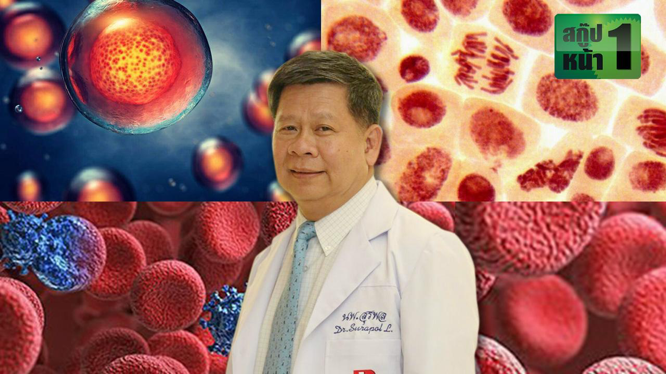
Prof. Dr. Surapol Issaragrisil, senior director of Bangkok hematology center, Wattanosoth hospital, said blood diseases and disorders are common in both Thai and international patients, especially acute leukemia.
The blood system performs many important functions within the body, including: transporting oxygen and nutrients, forming blood clots to prevent excess blood loss, carrying cells and antibodies that fight infection, bringing waste products to kidney and liver, and regulating body temperature. Blood diseases and disorders are abnormalities of bone marrow, reticuloendothelial system, lymph nodes, immune systems, and coagulation system. These conditions can be divided into two groups.
- Hematologic Malignancies such as leukemia, lymphoma, multiple myeloma (MM)
- Benign blood disorders
- Anemia
– thalassemia – hereditary
– iron deficiency
– folate and vitamin B12 deficiency
Symptoms may include fatigue, weakness, shortness of breath, and can lead to heart failure in severe anemia cases. - Bone marrow disorders
– aplastic anemia – Disorder in which bone marrow fails to produce enough blood cells. Symptoms may include fatigue, easy bruising, shortness of breath, fever, frequent infections, and pale skin. - Bleeding disorders – can be inherited or acquired
- Venous thrombosis – The most common is deep vein thrombosis. Symptoms are swollen leg and this can lead to pulmonary embolism.
- Anemia
Prof. Dr. Surapol explained that acute leukemia is the most severe condition. In human body, there are 3 kinds of blood cells: red blood cells, white blood cells, and platelets. These blood cells have to be mature in order to function properly and the number of each cells have to be appropriate. The production site of these cells is the bone marrow. In adults, bone marrow is found mainly in the central skeleton such as cranium, sternum, and pelvis.
“Red blood cells carry oxygen from lungs to the rest of the body. White blood cells protect the body from infection. Platelets help the blood clotting process by gathering at the site of an injury, sticking to the lining of the injured blood vessel, and forming a platform on which blood coagulation can occur.”
Bone marrow is the primary site of new blood cell production or hematopoiesis. It consists of stem cells that is involved in producing blood cells. The rate of blood cell production is controlled by the body’s needs. The new blood cells have to be mature in order to be released from bone marrow and perform their functions.
“Leukemia” or “cancer of white blood cell” is caused by the rapid production of abnormal white blood cells. There are two types of leukemia: acute and chronic. The abnormal white blood cells continue to grow and divide, eventually crowding out the normal blood cells. The number of normal blood cells will decrease and the result is that it becomes difficult for the body to fight infections, control bleeding, and transport oxygen. The patient’s symptoms might include fatigue, pallor, fever, bruising, and bleeding from gum or nose.
For the treatment of leukemia, doctors may advise that chemotherapy be started almost immediately. Chemotherapy is the use of cell toxic chemicals to help eradicate cancer. This has to be given in 3, 4, 5, 7 day cycle depending on the patient’s condition. The chemotherapy destroys most of the normal bone marrow cells as well as the leukemia cells. Over the next few weeks, normal bone marrow cells will recover and start making new blood cells. If the treatment is successful, there should be no more than 5% of abnormal white cells. However, there are chances that the disease might relapse.
The other treatment option is bone marrow transplantation. This treatment allows a patient to have higher doses of chemotherapy than usual. This may increase the chance of being cured.
“A relapse occurs when there are abnormal cells left after the treatment and these cells increase in number. Therefore, the treatment is to use higher dose of chemotherapy in order to destroy all the cancer cells.”
A bone marrow transplant is a procedure to replace destroyed bone marrow with healthy bone marrow stem cells. Where possible, brothers and sisters are tested for their suitability to be a donor as they are likely to be the best match. There is one chance in four of finding a suitable match among siblings. Parents are not usually a good match but may be tested if no other donor is found.
Finding a donor can be difficult, there are two options.
- Relatives – brothers and sisters, parents
- Unrelated match – will be sought via Thai Red Cross
“Abnormal cells” can turn into “cancer cells” in healthy people but the immune system can recognize cancer cells as abnormal and kill them. There is no need to be stressed. “Health is wealth.”