
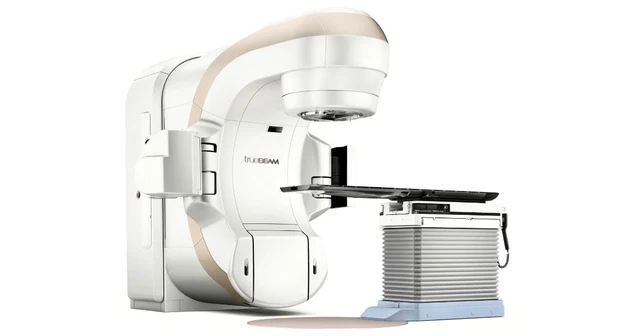

There are many methods of cancer treatment today. One of them is radiation therapy (Radiation Therapy) to control tumors and it may be used in combination with other treatment methods. TrueBeam is a high-energy radiation linear accelerator used to deliver radiotherapy for cancer accurately, quickly, and precisely, reducing the impact on surrounding tissues in cancer patients.
TrueBeam What is it?
TrueBeam is a linear accelerator (Linear Accelerator: LINAC) that delivers high-energy radiation for external beam radiation in cancer treatment. It is designed to support multiple radiation techniques from conventional radiotherapy to complex treatment techniques requiring high precision and clarity, such as Volumetric Arc Therapy (VMAT), Stereotactic Radiosurgery (SRS), Stereotactic Body Radiotherapy (SBRT) and others. It controls the shape direction and intensity of
the radiation beam to match the shape and location of the tumor according to the treatment plan so that the tumor receives the prescribed radiation dose, while helping reduce the radiation dose delivered to surrounding normal tissues.
TrueBeam How does it work?
Before starting treatment with TrueBeam , a cancer radiotherapy machine, the specialist physician and radiotherapy team will carefully plan the target position, radiation dose, and nearby critical organs in detail. The TrueBeam machine can be used together with an image-guided system Image – Guided Radiation Therapy (IGRT) to verify the position and area to be irradiated before treatment begins. If the tumor moves with breathing, a breathing-tracking system Respiratory Gating can be used to help control radiation delivery in relation to tumor motion, especially for treatments requiring meticulous positional control, such as SRS, SBRT
TrueBeam What radiation techniques does it support?
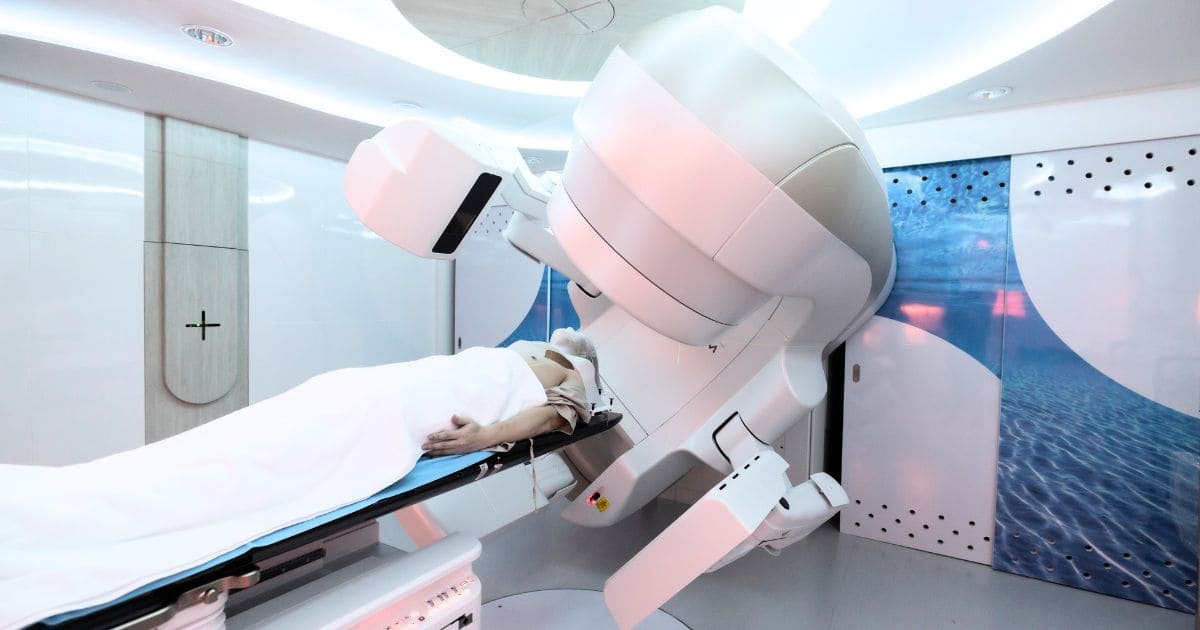
- VMAT Delivers radiation while the machine head rotates around the patient, adjusting the intensity and shape of the beam during treatment.
- SRS and SBRT Delivers a high dose of radiation to a specific target, suitable for small lesions or areas requiring meticulous control.
- Supports image-guided verification Image-Guided Radiation Therapy (IGRT) using radiographic images obtained from the machine before or during treatment to verify and adjust the patient’s position to match the treatment plan.
- Supports respiratory motion management Motiion Management / Respiratory Gating for tumors that move, such as in the chest and abdomen, using breathing information for planning and radiation delivery.
TrueBeam How is it different from conventional radiotherapy machines?
TrueBeam is designed so that imaging, position verification, beam delivery, and motion management systems can work together efficiently. Therefore, it supports multiple forms of radiotherapy. TrueBeam uses image guidance to help verify positioning before irradiation and supports respiratory motion management techniques. In addition, using Flattening Filter Free (FFF) beams in treatment can provide a higher (Dose Rate) , thereby reducing the radiation delivery time (Beam – on Time) , especially for treatments using SRS or SBRT techniques.
Who is suitable for treatment with TrueBeam
Patients with indications for radiotherapy may receive treatment with TrueBeam , whether radiotherapy is the main treatment, combined with other methods, used after surgery, or for symptom relief. TrueBeam is suitable for treatment plans that require high precision, such as tumors located near critical organs, small tumors treated with SRS or SBRT techniques, or tumors that move with breathing. However, the selection of the machine and radiation technique must be considered individually by the radiotherapy medical team.

Steps of cancer treatment with TrueBeam
- The radiation oncologist evaluates the type stage, disease location, overall health, and previous treatments to determine indications and treatment goals before detailed treatment planning, considering appropriate radiotherapy for each patient.
- The radiation oncologistdefines the treatment plan and a clearradiation delivery position using a CT Simulator (Computed Tomography Simulator) , a CT machine used to simulate and plan cancer radiotherapy. The patient will be positioned in the posture used for radiotherapy and positioning devices may be used when necessary to keep the patient in the appropriate position throughout treatment.
- The specialist physician and radiotherapy team create the treatment plan by defining the target area, radiation dose, and dose limits for surrounding critical organs, and verify the quality of the treatment plan according to established standards.
- The patient undergoes radiotherapy, strictly following the doctor’s instructions before, during and after radiation.
- The medical team and multidisciplinary team closely monitor outcomes during and after treatment.
What are the side effects of radiotherapy?
Radiotherapy may cause side effects. The type and severity vary among patients depending on the area and location receiving radiation, the technique used, the dose per session, total dose, number of treatments, other concurrent treatments, the patient’s overall health, and individual response.
Side effects may occur during or after treatment. Symptoms vary depending on the irradiated area, such as fatigue, skin changes, or organ-specific symptoms in the treated region. The radiation oncologist will explain side effects related to each patient’s treatment plan before treatment begins.
Advantages of treatment with TrueBeam
- Supports multiple types of high-precision radiotherapy, including VMAT, SRS and SBRT techniques, enabling the radiation oncologist to select the technique appropriate to the disease characteristics and each patient.
- Image-guided systems help verify positioning before and during treatment.
- Efficiently adjusts the shape and intensity of the radiation beam to match the tumor, enabling appropriate determination of beam position and shape and coverage of the tumor.
- Reduces the radiation dose affecting adjacent normal organs and tissues.
- Supports treatment of tumors that move with breathing.
- Supports high-dose-rate radiation delivery in some techniques, thereby helping reduce treatment delivery time.

Frequently Asked Questions (FAQ)
Q: Can radiotherapy with TrueBeam be used together with other cancer treatments?
A: Radiotherapy can be the main treatment or can be combined with other treatment methods, such as surgery, chemotherapy, targeted therapy, immunotherapy, or hormone therapy. Radiation may be delivered before, during, or after other treatments depending on the type and stage of cancer, as well as each patient’s treatment goals. Treatment planning should therefore be considered jointly by the relevant medical team.
Q: TrueBeam Is it suitable for every patient?
A: Each patient has different cancer types, stages, locations, and characteristics. The choice of TrueBeam , as well as the radiotherapy technique, dose, and number of sessions, must be individually assessed by the specialist radiation oncology team.
A hospital specialized in cancer treatment
Wattanosoth Radiotherapy Center, Wattanosoth Cancer Hospital is ready to provide radiotherapy services by expert specialist physicians, with modern tools and technology such as TrueBeam , a cancer radiotherapy machine, and an experienced multidisciplinary team, ready to plan care and provide close consultation so that patients can return to life with confidence and a good quality of life again.
Physicians specialized in cancer care
- Assoc. Prof.Dr.Prasert Lertsanguansinchai Director, Cancer Patient Care Division, Wattanosoth Cancer Hospital
- Dr.Maneenat Ruangskul Radiotherapy and Oncology Wattanosoth Cancer Hospital