



Our bodies have a balanced process to manage “harmful cells” that often form “cancer” already. However, when weakened and unable to destroy “cancer cells” due to infection, stress, anxiety, or exposure to chemicals, then “cancer” will step into our lives as part.
Especially the “most aggressive” and “hardest to treat” cancer, such as “leukemia” or “leukemia” (Leukemia)
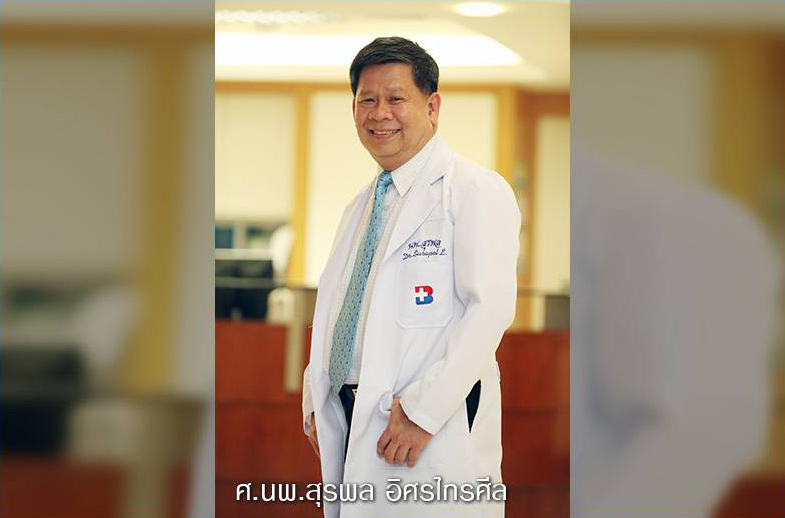
Prof. Dr. Surapol Issaragrisil, Senior Director of Bangkok Hematology Center, Bangkok Cancer Hospital Wattanosoth informs that the incidence of leukemia in Thailand is increasing. The well-known and much-discussed cause is exposure to “ionizing radiation” in Hiroshima and Nagasaki, Japan, following the atomic bombings during World War II. After that, there has been an increase in leukemia patients, a cause that can be clearly confirmed.
Other causes, such as “electromagnetic fields” from high-voltage power lines and prolonged use of mobile phones, studies have not identified that everyone who uses mobile phones for a long time will develop cancer, but if comparing patients with normal people, it was found that patients use mobile phones more. Therefore, it’s not that using mobile phones excessively, 100 people will all develop “leukemia”, but this cause has a higher risk than normal people.
Leukemia
“Leukemia” or “leukemia” has 2 types: acute and chronic. Both types have different disease progressions.
- Acute leukemia develops quickly, within days or weeks, occurring in the “bone marrow”. Leukemia cells interfere with blood cell formation in the marrow, reducing the production of various blood cells in the marrow, leading to symptoms like easy fatigue, infections, fever, abnormal bleeding, such as bleeding gums, nosebleeds, etc.

- Chronic leukemia Leukemia cells originate in the bone marrow. These cells can grow to maturity. They will come out in the blood and go to the liver, spleen, lymph nodes. Chronic type has fewer symptoms.
Both types of leukemia differ and the trend of increase is high, especially acute type which is considered the most severe and hardest to treat cancer.
Symptoms and Diagnosis of Leukemia
The symptoms that are noticeable immediately include:
- Abnormal bleeding
- Anemia
- Fever
It’s important to see a doctor immediately for diagnosis. The doctor can distinguish both types of “leukemia” by performing a complete blood count (CBC) to see the status of red blood cells, white blood cells, and platelets. Definite diagnosis can be made by bone marrow biopsy, which can identify what type of acute leukemia it is.
Treatment of Leukemia
The treatment method is chemotherapy and stem cell transplantation, which varies for each patient. Initially, chemotherapy is used until the disease is under control, meaning no cancer cells are found in the blood and bone marrow and there are less than 5% cancer cells, along with normal production of red blood cells, white blood cells, and platelets.

Stem Cell Transplantation
The technology of treatment with “stem cell transplantation” has advanced significantly. Initially, it required bone marrow from siblings with matching “HLA” only. Now, it’s possible to use from siblings with half-matching “HLA”, or from parents to child and vice versa, achieving successful outcomes as well.
Besides, people without siblings can find donors through the Thai Red Cross, which has a registry of those willing to donate stem cells. However, as mentioned, “leukemia” is a severe cancer and hard to cure. Patients must have motivation and morale because if their blood count is low and they do not take good care of themselves, the chance of infection is high.
Preventing Relapse
After treatment until the disease is under control, methods to prevent relapse include:
- Close monitoring of the patient
- Choose to eat cooked, clean food as necessary otherwise, it may be easy to get an infection
- Eat high-protein foods to help in blood cell production
- Stop believing that eating protein will feed the cancer, because it’s not true. Without protein, recovery will be difficult due to various organs such as the liver and kidneys. So, definitely don’t avoid proteins.
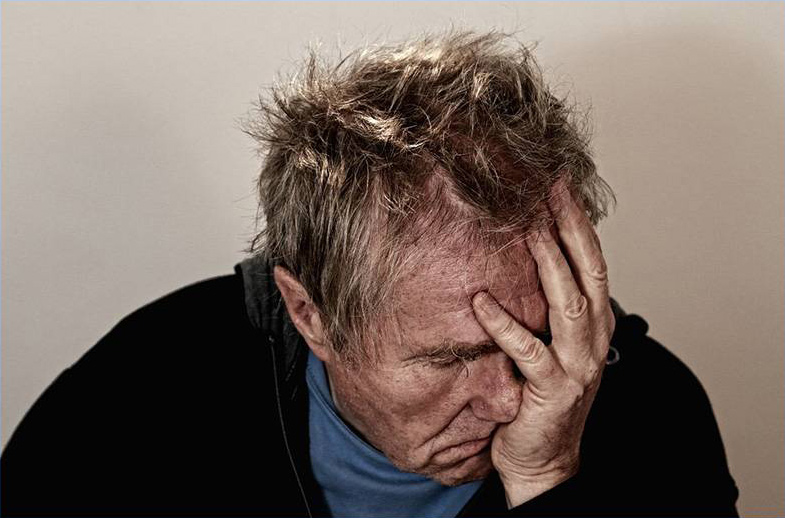
“Another important cancer-causing factor is “stress” because the body always produces cancer cells, but the immune system can inhibit it. However, when we are stressed, anxious, or depressed, the immune cells that should destroy cancer cells are reduced, allowing cancer to flare up. Therefore, if not stressed, and not depressed, cancer won’t have a chance.”
Prof. Dr. Surapol Issaragrisil, Senior Director of the Bangkok Hematology Center, Bangkok Cancer Hospital Wattanosoth wants everyone to stay positive, even though people with “cancer” are considered unlucky, we should find the good luck in having cancer as well. If we can find benefits from having this dreadful disease, aside from being able to treat the disease until symptoms improve, the new life of the patient may change into another person altogether. It’s important to have less stress, think positively, because certainly no one wants “cancer” to come back for sure.
By: Prof. Dr. Surapol Issaragrisil, Senior Director of the Bangkok Hematology Center, Bangkok Cancer Hospital Wattanosoth